Did you know that staying properly hydrated can significantly enhance your digestive health? It's not just about thirst; it's a vital component in maintaining bowel regularity and overall wellness.
What You Will Learn
- Hydration is essential for softening stool, reducing the risk of constipation.
- Adequate water intake promotes regular bowel movements and enhances overall digestive function.
- Signs of dehydration include dark yellow urine and dry mouth, which can negatively impact bowel regularity.
- Electrolytes like sodium, potassium, and magnesium are crucial for maintaining fluid balance and proper digestive health.
- Individual hydration needs vary based on factors such as age, activity level, and climate.
- Practical hydration strategies can make it easier to meet your daily water intake goals, enhancing digestive wellness.
Key Relationships: Hydration, Bowel Regularity & Digestive Health
This visual highlights the critical connections between proper hydration, regular bowel movements, and overall digestive wellness, along with personalized factors influencing water intake.
Hydration's Impact on Bowel Health
-
✓
Softens Stool: Reduces risk of hard, difficult-to-pass stools.
-
✓
Promotes Regularity: Establishes consistent bowel movements.
-
✓
Supports Digestion: Aids enzymes and gut processes.
Dehydration's Negative Effects
-
✘
Harder Stools: Body absorbs more water from waste.
-
✘
Constipation: Direct result of insufficient fluid intake.
-
✘
Digestive Issues: Impairs overall gut function.
Factors Influencing Water Needs
-
●
Activity Level: Higher activity, more fluid needed.
-
●
Climate: Hot/humid weather increases fluid loss.
-
●
Age/Weight: Children/elderly and heavier individuals may differ.
-
●
Health Conditions: Kidney issues, diabetes impact needs.
Hydration Strategies
-
★
Set a Schedule: Drink with each meal.
-
★
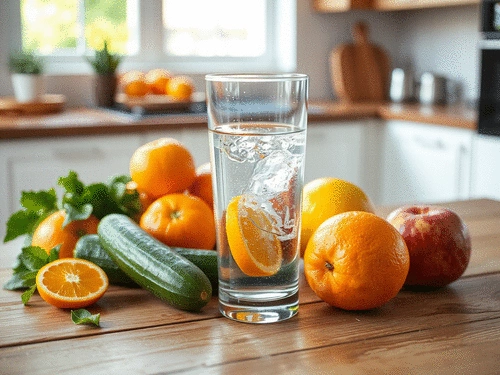
Infuse Water: Add fruits or herbs for flavor.
-
★
Keep Bottle Handy: Encourages regular sips.
Understanding the Connection Between Hydration and Digestive Health
When it comes to maintaining optimal digestive health, hydration plays a crucial role, especially in regulating bowel movements. Water is essential for softening stool, which facilitates smoother transit through the intestines. A well-hydrated body helps ensure that waste materials are effectively eliminated, preventing uncomfortable constipation.
Moreover, drinking adequate water can enhance overall digestive function. When you’re properly hydrated, your digestive system operates more efficiently, allowing your body to absorb nutrients better and maintain a healthy balance. Remember, hydration isn't just about quenching thirst; it's about nurturing your entire gut health!
The Importance of Water for Regular Bowel Movements
It's no secret that water is vital for regular bowel movements. Here are some key reasons why staying hydrated is essential:
- Stool Softening: Adequate water intake helps keep stool soft, reducing the risk of hard, difficult-to-pass stools.
- Bowel Movement Frequency: Drinking enough water can promote more regular bowel movements, helping you establish a routine.
- Overall Digestive Function: Hydration supports the digestive enzymes and processes necessary for a healthy gut.
Incorporating hydration into your daily routine can lead to improved digestive health. As someone who has focused on digestive wellness for years, I can attest to the significant benefits of maintaining proper hydration.
How Dehydration Affects Bowel Regularity
Dehydration can have a profound impact on your bowel regularity. Signs of dehydration include:
- Dark yellow urine
- Dry mouth and skin
- Fatigue or dizziness
When you’re not drinking enough water, your body tends to absorb more water from the waste in your intestines, leading to harder stools. This can directly result in constipation, making it uncomfortable for you to have regular bowel movements. Paying attention to your hydration status is key in preventing these issues!
The Role of Electrolytes in Maintaining Fluid Balance
Electrolytes are essential minerals that help regulate fluid balance in your body. They play a significant role in ensuring you stay hydrated and maintain proper digestive health. Important electrolytes include:
- Sodium
- Potassium
- Magnesium
These minerals work together to help your body retain the necessary fluid levels for optimal function. When you think about hydration, don’t just focus on water—consider incorporating foods rich in electrolytes to enhance your digestive wellness!
Personalized Recommendations for Daily Water Intake
Let’s dive into how you can tailor your water intake to meet your individual needs. It’s not a one-size-fits-all approach, and understanding the guidelines can help you stay hydrated effectively.
General Guidelines for Hydration
Most health experts recommend drinking about 8 glasses of water per day. However, several factors can influence how much you actually need:
- Activity level: More active individuals may require additional hydration.
- Climate: Hot or humid weather increases your fluid needs.
- Health conditions: Certain conditions, like kidney issues, may affect hydration needs.
Keeping these factors in mind can help you craft a hydration routine that’s right for you!
Customizing Your Water Intake Based on Individual Factors
Your water intake should reflect your personal circumstances. Here’s how different factors can affect your hydration needs:
- Age: Children and older adults may have different hydration requirements.
- Weight: Heavier individuals usually need more water.
- Activity Level: Increased activity means you’ll need to drink more to replace lost fluids.
- Climate: If you live in a hot area, your body may need more water to stay cool.
By considering these elements, you can customize your daily water intake for better digestive health. Research also suggests that chronic low water intake is associated with adverse health outcomes, underscoring the importance of personalized hydration.
Understanding Daily Water Requirements and Hydration Strategies
Lastly, let’s discuss some practical hydration strategies tailored for different lifestyles:
- Set a Schedule: Drink a glass of water with each meal.
- Infuse Your Water: Add fruits or herbs to make it more enjoyable.
- Keep a Water Bottle Handy: Having water within reach encourages regular sipping throughout the day.
Finding methods that work for you can make hydration feel less like a chore and more like a beneficial habit. I encourage you to explore different strategies to see what resonates with your lifestyle!
Interactive Poll: How Do You Stay Hydrated?
We want to hear from you! What methods do you use to ensure you are drinking enough water throughout the day? Share your thoughts below:
Frequently Asked Questions About Hydration and Bowel Health
Why is hydration important for digestive health?
Proper hydration is crucial for digestive health because it helps soften stool, allowing for easier passage through the intestines and preventing constipation. It also supports overall digestive function and nutrient absorption.
How does dehydration affect bowel regularity?
When dehydrated, your body absorbs more water from the waste in your intestines, leading to harder stools. This can cause constipation and make bowel movements difficult and uncomfortable.
What are the signs of dehydration?
Common signs of dehydration include dark yellow urine, dry mouth, dry skin, fatigue, and dizziness. Recognizing these signs early can help you increase your fluid intake promptly.
Do electrolytes play a role in hydration and digestion?
Yes, electrolytes like sodium, potassium, and magnesium are essential minerals that help regulate fluid balance in the body. They are vital for proper hydration and contribute significantly to digestive health.
How much water should I drink daily?
While a general guideline is about 8 glasses per day, individual hydration needs vary based on factors like age, weight, activity level, and climate. It's best to customize your intake based on your personal circumstances.
What are some practical strategies to stay hydrated?
Effective hydration strategies include setting a schedule to drink water with meals, infusing water with fruits or herbs for flavor, and keeping a water bottle handy to encourage regular sips throughout the day.
Summarizing the Key Insights on Water Intake for Bowel Health
Staying hydrated is crucial for maintaining healthy bowel movements and overall digestive health. Throughout our discussion, we’ve highlighted how proper hydration aids in softening stool, preventing constipation, and enhancing bowel regularity. Remember, drinking enough water is a simple yet powerful way to support your digestive system and promote wellness!
In addition to these insights, it's vital to consider personalized recommendations for your daily water intake. Each individual has unique hydration needs influenced by factors like age, activity level, and climate. By understanding these elements, we can better tailor our hydration strategies for optimal digestive health.
When to Seek Professional Guidance
There are times when seeking professional help is the best choice for your hydration and bowel health. Here are a few scenarios where you should consider consulting a healthcare provider:
- Persistent constipation that doesn’t improve with increased fluid intake.
- Signs of dehydration, such as dark urine, dry mouth, or dizziness.
- Changes in bowel habits that are sudden or unexplained.
- Health conditions that may affect hydration, such as kidney disease or diabetes.
Don't hesitate to reach out for guidance! Understanding when to seek medical advice can lead to effective solutions and improvements in your digestive health.
Engaging with Your Health: Taking Action on Your Water Intake
Track Your Water Consumption for Better Digestive Health
One of the best ways to ensure you’re drinking enough water is to track your daily fluid intake. Keeping a log can help you recognize patterns and make necessary adjustments. Here are some effective tips for tracking your water consumption:
- Use a water tracking app to log your intake easily.
- Set reminders on your phone to drink water throughout the day.
- Keep a marked water bottle with measurements to visually track your progress.
By being mindful of your water consumption, you can take proactive steps toward better digestive health. Remember, every sip counts!
Utilizing Resources for Personalized Hydration Plans
To create a hydration plan that works for you, consider using a customizable water intake calculator. These tools can help you determine your ideal daily water intake based on personal factors such as weight, activity level, and climate. Additionally, I recommend exploring resources that provide additional insights into hydration and health. Reliable websites often have articles and tools that can enhance your understanding and assist in formulating a personalized strategy.
Hydration Challenges and Solutions for Different Lifestyles
We all face unique challenges when it comes to maintaining proper hydration. Here are some common hydration issues experienced by various groups, along with practical solutions:
- Athletes: Increased sweat loss means higher hydration needs. Encourage electrolytes with water or sports drinks after intense workouts.
- Seniors: Aging can lead to diminished thirst sensation. Set scheduled drinking times to ensure adequate intake throughout the day.
- Individuals in Hot Climates: Increased heat increases fluid loss. Keep water bottles on hand and consider hydrating foods like fruits and vegetables.
By addressing these challenges with tailored solutions, everyone can find ways to boost their hydration and support their digestive health. Remember, every effort counts towards feeling your best!
Recap of Key Points
Here is a quick recap of the important points discussed in the article:
- Hydration is Key: Drinking enough water is essential for softening stool and ensuring regular bowel movements.
- Recognize Signs of Dehydration: Pay attention to symptoms like dark urine and dry mouth, which may indicate a need for increased fluid intake.
- Electrolytes Matter: Incorporating foods rich in electrolytes helps maintain fluid balance and supports digestive health.
- Personalize Your Intake: Your daily water needs vary based on age, activity level, climate, and health conditions.
- Adopt Hydration Strategies: Use practical tips like setting a schedule or keeping a water bottle handy to meet your daily goals.
- Seek Professional Advice: Consult a healthcare provider for persistent digestive issues or concerns about hydration.