Did you know that incorporating both soluble and insoluble fiber into your diet can significantly enhance your digestive health? Understanding their unique benefits can empower you to make smarter dietary choices.
What You Will Learn
- Soluble fiber slows digestion, helps manage blood sugar, and reduces cholesterol levels, contributing to heart health.
- Insoluble fiber adds bulk to stool, promoting regular bowel movements and preventing constipation.
- A balanced intake of both fiber types enhances digestive regularity and supports overall wellness.
- Gradually increasing fiber intake and staying hydrated can minimize discomfort associated with high-fiber diets.
Soluble vs. Insoluble Fiber: Key Differences and Benefits
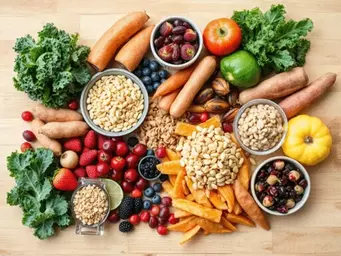
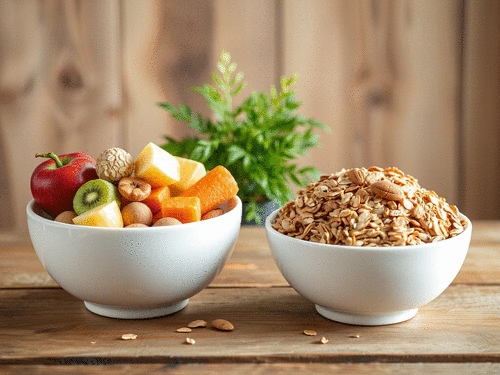
This visual highlights the distinct properties, dietary sources, and health benefits of soluble and insoluble fiber, crucial components for optimal digestive health.
Soluble Fiber
Dissolves in water, forming a gel.
Key Characteristics
- Slows digestion
- Helps manage blood sugar
- Reduces cholesterol
Common Sources
- Oats, Barley
- Beans, Lentils
- Apples, Citrus
- Carrots, Broccoli
Health Benefits
- Improved heart health
- Weight management
- Feeds beneficial bacteria
- Often better for IBS
Insoluble Fiber
Does not dissolve in water, adds bulk.
Key Characteristics
- Promotes regularity
- Adds bulk to stool
- Prevents constipation
Common Sources
- Whole grains (wheat, rice)
- Nuts, Seeds
- Cauliflower, Green beans
- Potatoes (with skin)
Health Benefits
- Promotes fullness (weight control)
- Supports gut microbiota
- Reduces risk of digestive disorders
- May prevent colorectal cancer
Understanding the Roles of Soluble and Insoluble Fiber in Digestive Health
When it comes to digestive health, understanding the roles of soluble and insoluble fiber is key! Each type of fiber plays a unique part in keeping our systems running smoothly, and knowing how they work can empower you to make better dietary choices. As someone who cares deeply about your health, I’m excited to share insights on how to incorporate both types of fiber into your diet for optimal digestive wellness.
Let’s dive into the specifics of these fibers and how they can support your journey towards better health. It’s all about balance—let’s explore!
What is Soluble Fiber and How Does it Affect Digestion?
Soluble fiber dissolves in water, forming a gel-like substance in the digestive tract. This unique property enables it to slow down digestion and help manage blood sugar levels. Foods rich in soluble fiber can be incredibly beneficial, especially for those who experience digestive issues. For more in-depth information, you can refer to resources like Harvard Health's article on the facts about fiber.
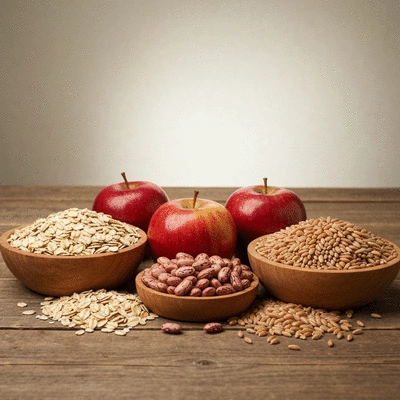
- Oats and oat bran
- Barley
- Beans and lentils
- Fruits like apples and citrus
- Vegetables such as carrots and broccoli
Not only does soluble fiber aid in digestion, but it also plays a significant role in reducing cholesterol levels. This is particularly important for heart health, making it a vital component of a balanced diet.
The Benefits of Insoluble Fiber for Regular Bowel Movements
Insoluble fiber, on the other hand, does not dissolve in water. Instead, it adds bulk to the stool, which helps promote regular bowel movements. This type of fiber is essential for preventing constipation, a topic I’m particularly passionate about at Constipation Prevention. For further reading on the comprehensive benefits of fiber, including insoluble types, consider exploring resources like the Mayo Clinic's detailed guide on fiber.
- Whole grains like whole wheat and brown rice
- Nuts and seeds
- Vegetables such as cauliflower and green beans
- Potatoes (with skin)
- Dark leafy greens
By including adequate amounts of insoluble fiber in your diet, you can support your digestive system and enjoy a more comfortable experience overall. Remember, regularity is the name of the game!
Health Benefits of Soluble Fiber: Beyond Digestion
The benefits of soluble fiber extend well beyond just digestion. Regular consumption can contribute to improved heart health by lowering cholesterol, stabilizing blood sugar levels, and even aiding in weight management. Incorporating more soluble fiber into your meals can be a game-changer!
- Reduces the risk of heart disease
- Helps control blood sugar levels
- Aids in weight loss efforts
- Improves gut health by feeding beneficial bacteria
As I often emphasize to my readers, making small changes to include soluble fiber can have a significant positive impact on overall health!
Health Benefits of Insoluble Fiber: Supporting Overall Wellness
Insoluble fiber also offers a range of health benefits that contribute to overall wellness. Not only does it help maintain regularity, but it can also support weight management and enhance gut health. Here are some benefits you might not know about: The Physicians Committee for Responsible Medicine provides excellent insights into the broader health benefits of fiber, which you may find helpful.
- Promotes a feeling of fullness, which can aid in weight control
- Supports healthy gut microbiota
- Reduces the risk of developing certain digestive disorders
- May help prevent colorectal cancer
Understanding the importance of both soluble and insoluble fiber can empower you to make choices that support your digestive health and overall well-being!
The Importance of Balancing Fiber Types for Optimal Health
Balancing both soluble and insoluble fiber in your diet is crucial for achieving optimal health. In my experience, many people focus on one type over the other, but a combination provides comprehensive benefits. Let’s explore how this balance can enhance your digestive regularity and overall wellness!
Interactive Poll: Your Fiber Journey!
We'd love to know: How do you currently incorporate fiber into your diet? Select one of the options below:
Frequently Asked Questions About Fiber
Q: What is the main difference between soluble and insoluble fiber?
A: Soluble fiber dissolves in water to form a gel-like substance, slowing digestion and helping manage blood sugar and cholesterol. Insoluble fiber does not dissolve in water; instead, it adds bulk to stool, promoting regular bowel movements and preventing constipation.
Q: What are common sources of soluble fiber?
A: Common sources include oats, barley, beans, lentils, apples, citrus fruits, carrots, and broccoli.
Q: What are common sources of insoluble fiber?
A: Common sources include whole grains (like wheat and brown rice), nuts, seeds, cauliflower, green beans, and potatoes with skin.
Q: How does fiber benefit heart health?
A: Soluble fiber helps reduce cholesterol levels, which can significantly improve heart health and lower the risk of heart disease.
Q: Can fiber help with weight management?
A: Yes, both types of fiber can aid in weight management. Soluble fiber helps stabilize blood sugar, preventing spikes and crashes that can lead to cravings, while insoluble fiber promotes a feeling of fullness, reducing overall calorie intake.
Q: What should I do to avoid digestive discomfort when increasing fiber intake?
A: Increase your fiber intake gradually, stay well-hydrated, chew your food thoroughly, and listen to your body. For individuals with IBS, focusing on soluble fiber may be beneficial.
Addressing Common Concerns About Fiber Intake
When it comes to increasing fiber intake, many people have legitimate concerns about how to do it without discomfort. As someone who has worked extensively with digestive health, I often see individuals hesitant to embrace fiber-rich foods due to fears of bloating or gas. The good news is that there are ways to enjoy the benefits of fiber while minimizing any unpleasant side effects!
Here are some effective tips that I recommend for increasing fiber intake safely:
- Increase fiber gradually: Sudden changes can lead to digestive upset, so it's best to slowly introduce fiber into your diet.
- Mix it up: Incorporate both soluble and insoluble fibers to balance their effects on your digestion.
- Pay attention to portions: Start with small servings of high-fiber foods and increase as your body adjusts.
By following these strategies, you can help your body adapt to fiber more smoothly, making the transition less daunting!
Avoiding Digestive Discomfort: Tips for Increasing Fiber Safely
To further alleviate potential discomfort, consider these additional strategies:
- Chew your food well: This simple act helps break down fiber before it reaches the digestive system.
- Incorporate probiotics: Foods like yogurt or fermented options can help balance gut bacteria, promoting better digestion.
- Listen to your body: If you experience discomfort, reduce your fiber intake and gradually increase it again.
Overall, taking a mindful approach can make a significant difference in your fiber journey!

How Fiber Affects Conditions like IBS: What You Should Know
For those with conditions such as Irritable Bowel Syndrome (IBS), fiber intake can be a tricky subject. Some may find relief from symptoms with the right kinds of fiber, while others might experience exacerbated discomfort. Here’s what I advise: focus on soluble fiber, which is often better tolerated in IBS cases.
Consider these fiber types and how they can impact IBS:
- Soluble fiber: Found in foods like oats, apples, and beans, it can help manage symptoms by forming a gel-like substance in the gut.
- Insoluble fiber: While beneficial for many, it might aggravate symptoms for some IBS sufferers, so choose wisely based on your personal experience.
Exploring your unique response to different types of fiber can make a world of difference in managing IBS!
Hydration: A Crucial Element for Fiber Efficiency in Digestion
Did you know that hydration plays a crucial role in how your body processes fiber? Adequate fluid intake is essential when increasing fiber consumption because it helps keep things moving smoothly through the digestive tract. Aim for at least eight 8-ounce glasses of water per day, and consider these hydration tips:
- Drink water throughout the day: Sipping regularly can help maintain hydration levels.
- Pair fiber with fluids: Enjoying high-fiber foods with a glass of water can enhance their effectiveness.
- Infuse your water: Add fruits or herbs for a flavorful hydration boost that encourages more fluid intake!
By prioritizing hydration, you'll help your body maximize the benefits of dietary fiber.
Practical Takeaways for Balanced Fiber Consumption
Creating a personalized fiber intake plan is essential for achieving optimal digestive health. Start by assessing your current diet and determining how much fiber you currently consume. Think about your favorite foods and how you can gradually incorporate more fiber-rich options.
Here are some steps to create your plan:
- Evaluate your intake: Keep a food diary for a week to track how much fiber you're getting.
- Set realistic goals: Aim to increase your fiber intake by 5 grams per week until you reach your desired amount.
- Choose foods wisely: Focus on whole, unprocessed foods to ensure you’re getting both types of fiber.
Taking these steps can help you achieve a balanced intake that supports your digestive wellness journey!
Final Thoughts on Fiber Balance for Better Digestive Health
As we've discussed, finding the right balance of soluble and insoluble fiber is key to achieving digestive health. Remember that every individual’s needs are different, and it's important to tailor your fiber intake to what works best for you. Regular assessment and adjustments will help you maintain that balance.
At Constipation Prevention, I am here to support you on your journey to better digestive health. With the right approach, managing your fiber intake can be a simple and rewarding process!
Recap of Key Points
Here is a quick recap of the important points discussed in the article:
- Soluble fiber helps manage blood sugar levels, aids in digestion, and lowers cholesterol, making it essential for heart health.
- Insoluble fiber adds bulk to stools, promotes regular bowel movements, and is crucial for preventing constipation.
- A balanced intake of both soluble and insoluble fiber is necessary for optimal digestive health and overall wellness.
- Gradually increase fiber intake to minimize digestive discomfort, and stay hydrated to enhance fiber's effectiveness.
- For individuals with IBS, soluble fiber is often better tolerated and can help manage symptoms.