
Research indicates that nearly 16% of the global population faces chronic constipation at some point in their lives. This statistic underscores the importance of understanding and managing this common issue. What can you do to improve your digestive health? Let's dive into the key insights from the latest findings!
What You Will Learn
- Constipation is defined as having fewer than three bowel movements per week and can significantly impact your quality of life.
- Recognizing symptoms, such as hard stools and straining, is crucial for early intervention and improving digestive health.
- Regular physical activity enhances gut motility and reduces the risk of constipation by stimulating intestinal muscles.
- Incorporating a high-fiber diet—consisting of fruits, vegetables, and whole grains—along with adequate hydration is essential for preventing constipation.
- Establishing a routine of daily exercise and setting realistic goals can significantly aid in managing and preventing constipation.
Constipation Insights: Symptoms, Prevalence & Prevention
Understanding constipation involves recognizing its symptoms, acknowledging its global prevalence, and actively engaging in preventative measures like exercise, diet, and hydration. This visual summarizes key aspects to empower better digestive health.
Defining Constipation: Symptoms & Prevalence
- •Hard or lumpy stools
- •Less than 3 bowel movements per week
- •Straining during bowel movements
- •Feeling of incomplete evacuation
Prevalence: ~16% Global Chronic Constipation
Key Pillars of Prevention
Exercise Benefits:
- •Improved gut motility
- •Enhanced blood flow
- •Reduced stress levels
Diet & Hydration:
- •Fiber intake: 25-30g daily (fruits, veggies, whole grains)
- •Hydration: At least eight 8-oz glasses of water daily
Simple steps for significant impact!
Understanding Constipation and Its Impact on Health
Constipation is more than just a minor inconvenience; it can significantly affect your overall health and quality of life. Defined as having fewer than three bowel movements per week, constipation can lead to discomfort, bloating, and even anxiety for many individuals. Are you struggling with irregularity? You're certainly not alone—constipation is a common issue affecting millions of people worldwide.

Recognizing the symptoms of constipation is crucial for early intervention. Typical signs include hard or lumpy stools, straining during bowel movements, and a feeling of incomplete evacuation. Knowing these symptoms can empower you to take control of your digestive health!
Defining Constipation: Symptoms and Prevalence
Constipation is often categorized as either acute or chronic. Acute constipation may arise from temporary changes such as diet or stress, while chronic constipation persists for months or longer. According to recent studies, approximately 16% of the global population experiences chronic constipation at some point in their lives. This prevalence highlights the importance of understanding and addressing the factors that contribute to this condition.
- Hard or lumpy stools
- Less than three bowel movements per week
- Straining during bowel movements
- Feeling of incomplete evacuation
Awareness of these symptoms can guide you in recognizing when it’s time to make changes or seek help. At Constipation Prevention, we believe that knowledge is the first step toward achieving a healthier digestive system!
The Connection Between Exercise and Digestive Health
Did you know that physical activity plays a vital role in preventing constipation? Exercise stimulates the muscles in your intestines, enhancing the movement of food through your digestive tract. This natural process is essential for maintaining regular bowel movements.
- Improved gut motility
- Enhanced blood flow to the digestive organs
- Reduced stress levels
When you incorporate regular exercise into your routine, you can significantly reduce your risk of constipation. I often recommend simple activities, such as walking or yoga, which can seamlessly fit into your daily life!
The Role of Dietary Fiber and Hydration in Preventing Constipation
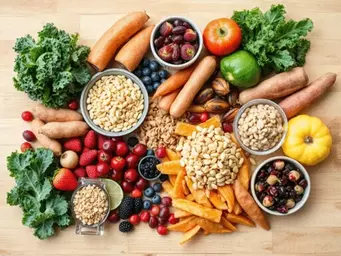
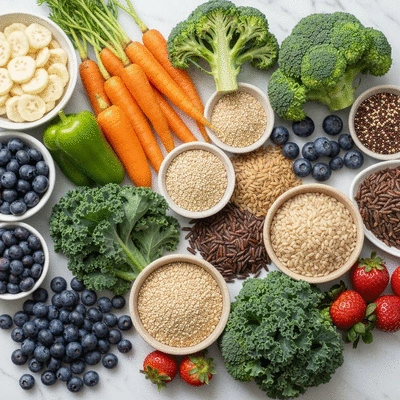
Fiber is often hailed as a superhero nutrient for digestive health! It adds bulk to your stool and helps it move smoothly through your intestines. Aiming for a daily intake of 25 to 30 grams of fiber can make a huge difference in your digestive regularity. For natural ways to relieve constipation, including dietary adjustments, consider exploring resources like Harvard Health's advice on relieving constipation.
- Fruits and vegetables
- Whole grains
- Legumes and beans
Alongside fiber, staying well-hydrated is equally important. Water allows the fiber to do its job effectively, softening the stool and promoting smoother elimination. So, how much water should you aim for? A good rule of thumb is to drink at least eight 8-ounce glasses of water per day! For further information on diagnosis and treatment options, the Mayo Clinic offers comprehensive guidance.
Pro Tip
To enhance your digestive health, consider keeping a food and exercise diary. Tracking what you eat and how much you move can help you identify patterns and triggers related to your constipation. This simple practice not only raises awareness but also empowers you to make informed adjustments to your diet and activity levels for better results.
Encouragement to Incorporate Regular Exercise for Digestive Well-being
At Constipation Prevention, we understand that adopting a regular exercise routine is one of the simplest yet most effective ways to support digestive health. Integrating movement into your daily life can significantly enhance your bowel function, helping to alleviate constipation and promote overall well-being. Remember, every little effort counts!
Here’s a quick overview of why exercise is essential for digestive health:
- Stimulates bowel movements: Physical activity helps move food through your digestive tract.
- Improves circulation: Regular exercise increases blood flow to your digestive organs, enhancing their function.
- Reduces stress: Exercise can help lower stress levels, which is crucial since stress often contributes to constipation.
By understanding these benefits, you're already on the right path to better digestive health! Let’s explore how you can start incorporating these practices into your life.
Summary of Key Takeaways for Relieving Constipation
It’s clear that exercise plays a significant role in relieving constipation. Here’s a recap of the key points we’ve covered:
- Daily movement: Aim for at least 30 minutes of moderate exercise most days of the week.
- Choose activities you enjoy: Whether it’s walking, swimming, or yoga, finding joy in exercise makes it easier to stick to a routine.
- Listen to your body: Adjust the intensity and type of exercise to suit your current fitness level and comfort.
Remember, starting small and gradually increasing your activity level can lead to sustainable changes that positively impact your digestive health!
Taking Action: Steps to Start Your Exercise Journey Today
Ready to get moving? Here are some actionable steps to kickstart your exercise routine:
- Set realistic goals: Begin with small, achievable targets, such as 10 minutes of walking each day.
- Create a schedule: Block out time in your calendar for exercise, just like you would for any other important appointment.
- Find a workout buddy: Exercising with a friend can keep you motivated and accountable.
- Explore different activities: Try out various forms of exercise to discover what you enjoy the most.
As you embark on this journey, remember that your commitment to regular exercise can yield remarkable benefits not only for your digestive health but also for your overall quality of life. Let's embrace this path together!
Recap of Key Points
Here is a quick recap of the important points discussed in the article:
- Recognize Symptoms: Key signs of constipation include hard or lumpy stools, straining during bowel movements, and feeling of incomplete evacuation.
- Stay Active: Regular exercise enhances gut motility, improves blood flow to digestive organs, and reduces stress levels.
- Increase Fiber Intake: Aim for 25 to 30 grams of fiber daily from fruits, vegetables, whole grains, and legumes to support digestive health.
- Hydrate Properly: Drink at least eight 8-ounce glasses of water each day to help fiber function effectively.
- Start Small: Incorporate manageable exercise routines and gradually increase intensity to build sustainable habits.
Frequently Asked Questions (FAQs)
What is constipation?
Constipation is defined as having fewer than three bowel movements per week, often accompanied by symptoms such as hard stools, straining during bowel movements, and a feeling of incomplete evacuation.
How common is chronic constipation?
Approximately 16% of the global population experiences chronic constipation at some point in their lives, highlighting its widespread nature.
How does exercise help prevent constipation?
Regular physical activity stimulates intestinal muscles, improving gut motility and enhancing the movement of food through your digestive tract. It also increases blood flow to digestive organs and reduces stress, which can contribute to constipation.
What role do diet and hydration play in preventing constipation?
A high-fiber diet (25-30 grams daily) from fruits, vegetables, and whole grains adds bulk to stool, while adequate hydration (at least eight 8-ounce glasses of water per day) helps soften the stool and promotes smoother elimination.
What are some actionable steps to start an exercise routine for digestive health?
Start with realistic goals (e.g., 10 minutes of walking daily), create a schedule, consider finding a workout buddy for motivation, and explore different activities to find what you enjoy. Gradually increase your activity level for sustainable changes.