Are you aware that staying properly hydrated can significantly impact your digestive health? It’s not just about quenching your thirst; hydration is vital for preventing constipation and ensuring a well-functioning digestive system. Let’s explore the essential lessons you’ll take away from understanding hydration's role in digestive wellness.
What You Will Learn
- Hydration keeps the digestive tract lubricated, promoting smoother bowel movements.
- Proper fluid intake helps maintain soft stools, making them easier to pass and reducing discomfort.
- Electrolytes play a crucial role in hydration, helping to retain fluids and supporting intestinal muscle contractions.
- Recognizing signs of dehydration can empower you to take proactive steps for better digestive health.
- Drinking at least eight 8-ounce glasses of water daily is a simple yet effective way to support your digestion.
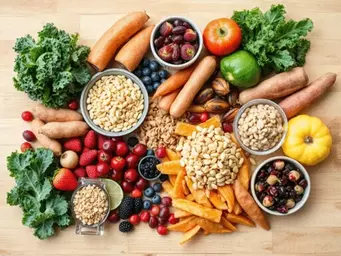
- Incorporating hydrating foods into your diet can enhance your overall fluid intake and improve digestive function.
- A consistent hydration habit can lead to lasting improvements in your digestive health and overall well-being.
Hydration's Role in Digestive Health: Key Insights
This visual summarizes the crucial aspects of hydration for preventing constipation and maintaining optimal digestive function.
Connection: Hydration & Constipation
- Lubricates digestive tract
- Promotes regular bowel movements
- Ensures nutrient absorption
Dehydration leads to harder, drier stools.
Stool Softness & Fluid Intake
- Water dissolves nutrients
- Keeps stools moist & pliable
- Reduces discomfort
Proper hydration makes stools easier to pass.
Electrolytes: Hydration Enhancers
- Help retain fluids
- Support intestinal muscle contractions
- Prevent cramps & discomfort
Key for fluid balance and digestive function.
Key Hydration Strategies
- Drink 8+ glasses of water daily
- Incorporate hydrating foods
- Monitor hydration levels (apps)
Consistent habits prevent constipation.
Understanding Hydration's Impact on Digestive Health
Hydration plays an essential role in maintaining our digestive health. As someone passionate about preventing constipation, I’ve seen how proper hydration can make a significant difference in many individuals' lives. When we talk about digestive wellness, we can’t overlook the fact that sufficient fluid intake is crucial for our bodies to function optimally!
In this section, we’ll explore the connection between hydration and constipation prevention, the importance of keeping our stools soft, and how electrolytes can enhance our overall hydration and digestive function. Let’s dive in!

The Connection Between Hydration and Constipation Prevention
Have you ever noticed that when you’re not drinking enough water, things can get a little sluggish in your digestive system? This is because dehydration can lead to constipation, making it harder for your body to process and eliminate waste. When our bodies are not adequately hydrated, the colon absorbs more water from the waste material, resulting in harder, drier stools.
- Staying hydrated helps keep your digestive tract lubricated.
- Proper hydration promotes regular bowel movements.
- It ensures nutrients are efficiently absorbed in the intestines.
By prioritizing hydration, we can support our digestive health and reduce the chances of experiencing uncomfortable constipation. Trust me, a few extra glasses of water each day can go a long way! For more insights into how fluid intake affects gut health, you can refer to this study on hydration and gut microbiota.
Why Proper Hydration is Essential for Stool Softness
Let’s talk about stool softness. Did you know that water is a key factor here? When we maintain proper hydration, our stool remains moist and pliable, making it much easier to pass. This is why I always emphasize the need for drinking enough fluids alongside a fiber-rich diet.
- Water helps dissolve nutrients, aiding in digestion.
- It keeps stools from becoming too hard and difficult to pass.
- Consistent hydration can reduce discomfort during bowel movements.
Incorporating these hydration habits into your daily routine can significantly improve your digestive experience. Remember, drinking water isn’t just about quenching thirst; it’s about keeping everything running smoothly. The role of sufficient fluid intake in maintaining stool consistency is well-documented.
How Electrolytes Influence Your Hydration and Digestive Function
Electrolytes, such as sodium, potassium, and magnesium, are pivotal when it comes to hydration. They help regulate fluid balance in our bodies and ensure proper nerve and muscle function. This balance also plays a role in our digestive health. Without adequate electrolytes, you may find it challenging to stay hydrated.
- Electrolytes help retain the fluids we consume.
- They support muscle contractions, including those in the intestines.
- Proper electrolyte balance can prevent cramps and discomfort.
Adding electrolyte-rich foods, like bananas and leafy greens, can enhance your hydration efforts. This is a small change that can make a big difference in how your body feels and functions! For further reading on the impact of electrolytes on gastrointestinal motility, check out this research on electrolyte balance.
Identifying Signs of Dehydration
Understanding hydration is just as important as recognizing the signs of dehydration. This knowledge empowers us to take action quickly, ensuring we maintain optimal digestive health. So, let’s look at the common symptoms that might indicate you need to drink more water!
Pro Tip
To boost your hydration efforts, consider incorporating herbal teas into your daily routine. Not only do they contribute to your fluid intake, but certain herbs like peppermint and ginger can also aid digestion, enhancing the overall benefits for your digestive health!
Frequently Asked Questions About Hydration and Digestive Health
Why is hydration important for preventing constipation?
Proper hydration keeps your digestive tract lubricated and ensures that stools remain soft and pliable, making them easier to pass. Dehydration can lead to hard, dry stools that are difficult to eliminate.
How much water should I drink daily to support digestive health?
It's generally recommended to drink at least eight 8-ounce glasses of water (approximately 2 liters) per day. However, individual needs may vary based on activity level, climate, and overall health.
What role do electrolytes play in digestion?
Electrolytes help regulate fluid balance in the body, support intestinal muscle contractions, and prevent cramps. They are crucial for retaining the fluids you consume and ensuring optimal digestive function.
Are there signs of dehydration I should look out for?
Common signs of dehydration include thirst, infrequent urination, dry mouth, fatigue, and dark-colored urine. Recognizing these signs early can help you take proactive steps to rehydrate.
Besides water, what other fluids or foods can help with hydration?
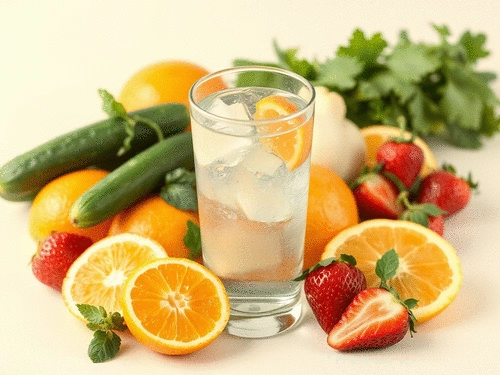
You can enhance your fluid intake by consuming hydrating foods like cucumbers, watermelon, and oranges. Herbal teas can also contribute to hydration and offer additional digestive benefits.
Recap of Key Hydration Strategies for Constipation Prevention
Staying hydrated is pivotal in our quest to prevent constipation! At Constipation Prevention, we emphasize that making hydration a priority can drastically improve your digestive health. Below, I’ve summarized some essential tips to keep in mind:
- Drink at least eight 8-ounce glasses of water daily.
- Incorporate hydrating foods such as cucumbers, watermelon, and oranges into your meals.
- Monitor your hydration levels using apps or hydration calculators.
- Flavor your water with fruits or herbs to make drinking more enjoyable.
By integrating these strategies, you can enhance your overall well-being and keep constipation at bay. Remember, hydration isn’t just about drinking water; it's about creating a balanced lifestyle that promotes digestive health.
Summary of Essential Tips and Their Benefits
Each hydration tip plays a crucial role in maintaining soft stool and regular bowel movements. For instance, drinking sufficient water helps to:
- Facilitate nutrient absorption in the intestines.
- Prevent hardening of stool.
- Promote a healthy gut environment.
By applying these tips, you’ll not only prevent constipation but also support your overall digestive function effectively. Your gut will thank you for it!
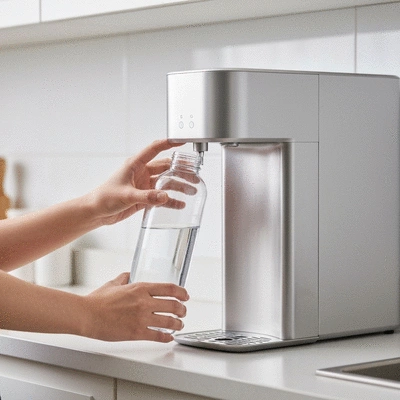
Encouraging a Consistent Hydration Habit
Building a habit takes time, but with some practical strategies, you can make hydration a consistent part of your daily routine. Here are a few suggestions I often share with my clients:
- Set a daily reminder on your phone to drink water.
- Carry a reusable water bottle to track your intake.
- Pair your water consumption with meals or snacks.
Creating a consistent hydration habit will not only help you fight constipation but also improve your energy levels and overall health. It’s about making small, manageable changes that can lead to lasting results!
Understanding Constipation Causes and Their Relation to Hydration
It’s essential to recognize that dehydration is a common contributor to constipation. When you don’t drink enough fluids, your body may pull water from your stool, making it hard and difficult to pass. This is why understanding hydration is key to preventing constipation.
- Low fiber intake can worsen dehydration and lead to constipation.
- High sodium diets without enough fluids can create imbalances.
- Certain medications may also increase the risk of dehydration.
By being aware of these connections, you empower yourself to take control of your digestive health. Remember, hydration is just one piece of the puzzle in preventing constipation!
Next Steps for Improved Digestive Health
Are you ready to take the next step in your journey towards better digestive health? It’s an exciting time to focus on how hydration can impact your overall wellness!
When to Consult a Healthcare Professional About Constipation
If you find that increasing your hydration and implementing lifestyle changes aren't enough to alleviate constipation, it may be time to consult a healthcare professional. Here are signs that you should seek advice:
- Constipation persists despite dietary changes.
- You experience severe abdominal pain.
- There are noticeable changes in your bowel habits.
Don’t hesitate to reach out for help—your digestive health is too important to overlook!
Taking Action: Start Your Hydration Journey Today
Starting your hydration journey can be as simple as filling up your water bottle and setting intentional goals. Make a commitment today to drink more water and pay attention to how it influences your digestive health. I challenge you to try these hydration tips for a week and notice the difference!
Using Online Resources and Health Blogs for Ongoing Support
Finally, remember that you don’t have to navigate this journey alone! Utilize online resources and health blogs like Constipation Prevention for guidance and support. Engaging with communities that share tips, success stories, and insights can empower you to stay on track.
Let’s embark on this journey to hydration together, and take those steps toward a healthier, more regular you!
Recap of Key Points
Here is a quick recap of the important points discussed in the article:
- Staying hydrated is crucial for preventing constipation and maintaining digestive health.
- Water helps keep stools soft and facilitates nutrient absorption in the intestines.
- Electrolytes play a vital role in hydration and overall digestive function.
- Aim to drink at least eight 8-ounce glasses of water daily and include hydrating foods in your diet.
- Monitor your hydration levels and create a consistent habit for better digestive health.