
Are you aware that simple changes in your daily routine can drastically improve your digestive health? Understanding the causes and solutions for constipation can empower you to take control of your well-being. Here’s what you’ll learn about managing this common condition effectively.
What You Will Learn
- Differentiation between chronic and functional constipation and their respective management strategies.
- The impact of a low-fiber diet and dehydration on bowel movements, emphasizing the need for dietary changes.
- The essential role of fiber intake and hydration in preventing and relieving constipation.
- Alternatives to traditional laxatives, including the benefits of abdominal massage and natural remedies.
- Long-term advantages of non-invasive treatments, fostering awareness and a balanced lifestyle.
Causes and Solutions for Constipation
Understanding the common triggers and effective remedies for constipation can significantly improve digestive health. Below, we compare key factors and solutions.
Common Causes: Lifestyle & Diet
- Low Fiber Diet: Harder stools, slower movement.
- Dehydration: Dry stools, difficult to pass.
- Physical Inactivity: Sluggish bowel function.
- Ignoring Urges: Interferes with natural rhythm.
Key Solutions: Fiber & Hydration
- Fiber-Rich Foods: Fruits, vegetables, whole grains, legumes, nuts.
- Adequate Hydration: At least eight 8-oz glasses of water daily.
These adjustments help form soft, bulky stools and ensure smooth digestive system function.
Non-Invasive Remedies Breakdown
- Abdominal Massage: Gentle stimulation, improved circulation, stress reduction.
- Fiber Supplements: Psyllium husk for increased intake.
- Probiotics: Enhance gut flora and function.
- Herbal Teas: Senna or peppermint for relaxation.
Remedy Comparison: Massage vs. Laxatives
Abdominal Massage
- Gentle, natural stimulation
- Reduces reliance on meds
- Enhances body awareness
Traditional Laxatives
- Quick relief
- Potential for side effects
- Risk of dependency
Understanding Constipation: Causes and Solutions
Constipation can be a frustrating and uncomfortable experience for many individuals. At Constipation Prevention, we understand that a clear grasp of the condition is essential for effective management. In this section, we'll dive into what chronic and functional constipation is, explore common causes related to lifestyle and diet, and discuss the significant role fiber intake and hydration play in offering relief.
What is Chronic and Functional Constipation?
Chronic constipation is defined as infrequent bowel movements or difficulty passing stools that persists for several weeks or longer. It can significantly impact your daily life, making it crucial to identify its roots. For instance, a clinical trial registered on ClinicalTrials.gov is currently investigating the effects of a specific dietary intervention on chronic constipation, highlighting the ongoing research in this area. Functional constipation, on the other hand, refers to constipation without an identifiable medical cause, typically influenced by lifestyle choices and habits. A study published in PMC NCBI further explores the diagnosis and management of functional constipation, emphasizing its prevalence and impact.
Understanding these distinctions is vital because they guide us toward effective solutions. While chronic constipation may require medical intervention, functional constipation often responds well to lifestyle adjustments, such as diet and exercise.
Common Causes of Constipation: Lifestyle and Dietary Factors
Identifying the common causes of constipation can empower you to take proactive steps toward improved digestive health. Here are some key factors that often contribute to this common issue:
- Low Fiber Diet: Insufficient fiber intake can lead to harder stools and slower movement through the intestines.
- Dehydration: Not drinking enough water can make stools dry and difficult to pass.
- Physical Inactivity: Lack of regular exercise can contribute to sluggish bowel function.
- Ignoring Urges: Delaying bathroom visits can interfere with the body's natural rhythm.
By being aware of these factors, you can begin to implement changes that support better digestive health. Remember, small adjustments can lead to significant improvements over time!
The Importance of Fiber Intake and Hydration for Constipation Relief
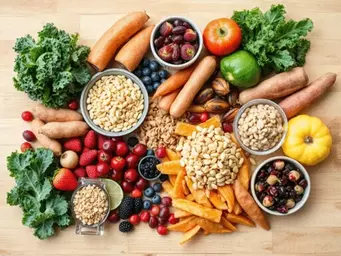
Two critical elements in preventing constipation are fiber intake and adequate hydration. Fiber is a powerhouse nutrient that aids in forming soft, bulky stools. A review accessible via PubMed NCBI often highlights the benefits of dietary fiber in managing bowel disorders like constipation. Aim to incorporate a variety of fiber-rich foods into your meals, such as:
- Fruits and vegetables
- Whole grains
- Legumes and nuts
Additionally, hydration cannot be overlooked! Drinking enough water keeps your digestive system functioning smoothly. As a general guideline, try to drink at least eight 8-ounce glasses of water daily. You might even explore fun ways to stay hydrated, like infusing your water with fruits or herbs!
Pro Tip
To further enhance your digestive health, consider keeping a daily journal of your food intake and hydration levels. Tracking what you consume can help you identify patterns in your diet that may contribute to constipation. This simple practice not only helps you stay accountable but also allows you to make informed adjustments to your lifestyle, leading to better outcomes for your digestive well-being!
Evaluating the Effectiveness of Non-Invasive Remedies
When it comes to managing constipation, many people seek alternatives to traditional medications. In my experience, non-invasive remedies can be incredibly effective and are often preferred for their gentler approach. Let's dive into how these methods stack up against conventional laxatives!
Comparing Abdominal Massage to Traditional Laxatives
Abdominal massage offers a unique way to enhance digestive function, especially for those who may experience discomfort with laxatives. While laxatives can provide quick relief, they often come with side effects like cramping or dependency. On the other hand, abdominal massage focuses on stimulating the digestive system naturally.
- Gentle stimulation: Promotes movement in the intestines without harsh chemicals.
- Improved circulation: Increases blood flow to digestive organs, supporting overall gut health.
- Stress reduction: Aids in reducing tension, which can often exacerbate constipation.
By integrating abdominal massage into your routine, you might find it serves as a soothing alternative to laxatives, enhancing your digestive comfort!
Safety and Long-Term Benefits: Assessing Non-Invasive Options
Safety is a crucial factor when considering any treatment method. Non-invasive techniques like abdominal massage are generally safe for most individuals, provided they are performed correctly. Here are some of the long-term benefits I've observed:
- Reduced reliance on medications: Many individuals find they can manage their symptoms without resorting to laxatives.
- Enhanced awareness of body: Regular practice encourages a deeper connection with digestive health.
- Fostering a balanced lifestyle: Integrating holistic practices promotes overall wellness, making it easier to maintain regularity.
These benefits highlight the value of adopting non-invasive options that contribute to long-term digestive health!
Exploring Natural Remedies and Herbal Supplements for Constipation
In addition to abdominal massage, several natural remedies can support digestive health. From my experience, incorporating these herbal supplements into your routine can complement your approach to preventing constipation:
- Fiber supplements: Products like psyllium husk can help increase fiber intake and improve regularity.
- Probiotics: These beneficial bacteria can enhance gut flora and support digestive function.
- Herbal teas: Teas made from senna or peppermint may promote relaxation of the digestive tract.
Each of these options provides a gentle, natural way to support your body's functions, aligning perfectly with our mission at Constipation Prevention to empower you with informed choices!
Frequently Asked Questions (FAQs)
What is the difference between chronic and functional constipation?
Chronic constipation is characterized by infrequent or difficult bowel movements lasting several weeks or more, often requiring medical intervention. Functional constipation, however, has no identifiable medical cause and is typically managed through lifestyle adjustments.
How do diet and hydration impact constipation?
A low-fiber diet and dehydration are common causes of constipation. Insufficient fiber leads to harder stools, while inadequate water intake makes stools dry and difficult to pass. Increasing fiber-rich foods and drinking plenty of water are crucial for relief.
What are some non-invasive remedies for constipation?
Non-invasive remedies include abdominal massage, which gently stimulates the digestive system, and natural supplements like psyllium husk, probiotics, and herbal teas such as senna or peppermint. These options aim to support digestive health without the potential side effects of traditional laxatives.
Can abdominal massage be a substitute for laxatives?
Abdominal massage can be a soothing and effective alternative to traditional laxatives for many individuals. It promotes natural bowel movement, improves circulation, and reduces stress without the risk of dependency or side effects often associated with laxatives.
What are the long-term benefits of using non-invasive treatments for constipation?
Long-term benefits of non-invasive treatments include reduced reliance on medications, enhanced body awareness, and the promotion of an overall balanced lifestyle. These methods encourage a deeper connection with digestive health and contribute to sustainable well-being.
Recap of Key Points
Here is a quick recap of the important points discussed in the article:
- Understand Constipation: Chronic constipation is persistent and may require medical intervention, while functional constipation often responds well to lifestyle changes.
- Identify Causes: Low fiber diet, dehydration, physical inactivity, and ignoring bathroom urges are common contributors to constipation.
- Fiber and Hydration: Incorporate fiber-rich foods like fruits, vegetables, whole grains, and legumes, and drink at least eight 8-ounce glasses of water daily.
- Non-Invasive Remedies: Consider alternatives like abdominal massage for gentle digestive stimulation without the side effects of laxatives.
- Natural Supplements: Explore options such as fiber supplements, probiotics, and herbal teas to support digestive health.