
Did you know that staying hydrated is one of the simplest yet most effective ways to enhance your digestive health? Proper hydration can make a significant impact on how your body functions daily, especially in preventing constipation.
What You Will Learn
- Proper hydration helps soften stool, making it easier to pass and preventing constipation.
- Drinking sufficient water improves nutrient absorption and supports efficient digestion.
- Electrolytes, such as sodium and potassium, are essential for maintaining fluid balance and aiding digestive function.
- Increased water intake is linked to better bowel regularity and overall digestive health.
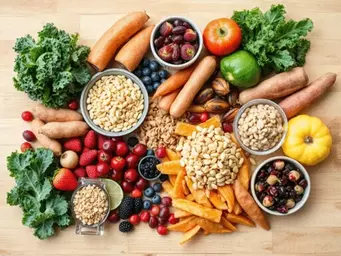
- Incorporating hydration-focused foods, like fruits and vegetables, can enhance your overall water intake.
- Utilizing tools like mobile apps and marked water bottles can help track and encourage adequate hydration.
Key Aspects of Hydration for Digestive Health
This visual highlights the critical ways adequate water intake and electrolyte balance contribute to healthy digestion and constipation relief.
Impact of Water Intake Softens Stool & Promotes Regularity
Adequate hydration ensures softer stool consistency, making it easier to pass through the intestines. This is a primary mechanism for constipation relief.
Digestive Support Enhanced Nutrient Absorption & Function
Water aids in dissolving nutrients for better absorption and supports the production of digestive juices, vital for efficient food breakdown.
Electrolyte Role Magnesium for Muscle Relaxation
Magnesium, an essential electrolyte, is crucial for muscle relaxation, including those in the digestive tract, aiding in the prevention of constipation.
Holistic Wellness Preventing Dehydration & Metabolic Support
Staying hydrated prevents dehydration-related complications and supports metabolic processes, contributing to overall digestive and bodily health.
Understanding the Role of Hydration in Digestive Health
When it comes to maintaining a healthy digestive system, hydration plays a pivotal role! Drinking enough water can significantly affect how we feel on a daily basis, especially in preventing constipation. As someone who has dedicated years to understanding digestive health, I can confidently say that proper hydration is one of the most accessible yet often overlooked solutions to promote regularity.
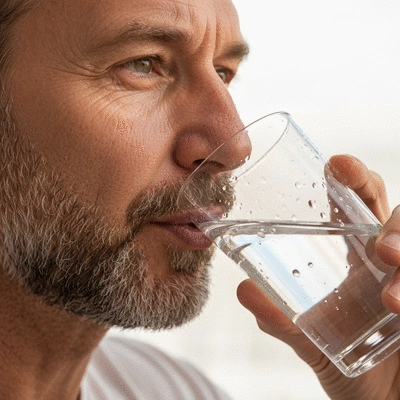
Let’s dive deeper into why hydration is so crucial for our digestive well-being. When we consume adequate amounts of water, it helps in softening our stool, making it easier to pass. Additionally, staying hydrated supports the production of digestive juices, which are vital for breaking down food efficiently. So, make sure you’re reaching for that water bottle throughout the day!
How Drinking Water Supports Constipation Relief
Have you ever noticed how a glass of water can make a world of difference? Drinking water can be one of the simplest ways to alleviate constipation. Here’s how:
- Softens Stool: Adequate hydration helps to soften the stool, making it easier to move through the intestines.
- Improves Digestive Function: Water aids in the absorption of nutrients and the efficient breakdown of food.
- Promotes Regular Bowel Movements: Staying hydrated helps to stimulate bowel movements, reducing the risk of constipation.
Incorporating more water into your daily routine can lead to more comfortable digestion. It’s simple, effective, and a step toward better gut health!
The Science Behind Water and Bowel Movements
Understanding the science behind hydration and bowel movements can empower you to make informed choices. Water acts as a lubricant for the digestive tract, helping everything move smoothly. Without enough water, your body can absorb too much from the food waste in your colon, leading to hard stools. Research shows that individuals who increase their water intake often experience better bowel regularity, highlighting water's crucial role in the digestive process that shouldn't be underestimated.
The Impact of Electrolyte Balance on Hydration and Digestion
While water is essential, it’s also important to consider the role of electrolytes. Electrolytes, such as sodium, potassium, and magnesium, help maintain fluid balance in the body. When you sweat or lose fluids, it’s not just water that you lose!
- Sodium: Helps regulate water balance and supports nerve function.
- Potassium: Essential for muscle contractions, including those in the digestive tract.
- Magnesium: Plays a key role in muscle relaxation and can aid in preventing constipation.
By ensuring that you’re not only hydrated but also consuming adequate electrolytes, you can further enhance your digestive health. Remember, a well-rounded approach to hydration can make all the difference in how you feel day-to-day!
Pro Tip
Did you know? Infusing your water with fruits like lemon, cucumber, or berries can not only enhance the flavor but also encourage you to drink more throughout the day. Staying hydrated has never been tastier!
Frequently Asked Questions About Hydration and Digestive Health
Q: How does hydration prevent constipation?
A: Adequate hydration helps soften stool, making it easier to pass through the intestines. It also supports the production of digestive juices, which are vital for efficient food breakdown.
Q: How much water should I drink daily for digestive health?
A: It is generally recommended to drink at least eight 8-ounce glasses of water daily, adjusting based on your activity level, climate, and individual needs. Listening to your body for signs of dehydration is also important.
Q: What role do electrolytes play in digestion?
A: Electrolytes like sodium, potassium, and magnesium are crucial for maintaining fluid balance and supporting muscle contractions in the digestive tract. Magnesium, in particular, aids in muscle relaxation, which can help prevent constipation.
Q: Can certain foods help with hydration for digestion?
A: Yes, incorporating hydration-enhancing foods like fruits and vegetables into your diet can significantly contribute to your overall water intake and provide additional benefits for digestive health.
Q: What tools can help me track my water intake?
A: Mobile apps designed for hydration tracking, water bottles with time markings, and simple hydration trackers or spreadsheets can all help you monitor and encourage adequate water consumption throughout the day.
Summarizing the Impact of Adequate Water Intake on Constipation
As we've explored, adequate water intake plays a crucial role in preventing constipation and supporting overall digestive health. Drinking enough water not only helps soften stool but also aids in promoting regular bowel movements. Remember, hydration isn't just about drinking water; it's about how your body utilizes this essential resource to function optimally. Maintaining proper hydration is a fundamental strategy for managing and preventing chronic constipation.
Here are some key takeaways regarding the impact of water on digestive health:
- Improved Bowel Movements: Increased water intake can lead to softer stools, making them easier to pass.
- Enhanced Nutrient Absorption: Water helps dissolve nutrients, allowing for better absorption within the digestive tract.
- Prevention of Dehydration: Staying hydrated helps prevent dehydration-related complications, such as constipation.
- Support for Metabolism: Proper hydration supports metabolic processes, which indirectly benefits digestive health.
By adopting a routine of drinking sufficient water, you're taking a significant step towards enhancing your digestive wellness. At Constipation Prevention, we’re committed to guiding you through these simple yet effective strategies to promote regularity and overall health!
Recap of Key Takeaways for Drinking Water and Digestive Health
To wrap up, drinking enough water is essential for maintaining a healthy digestive system. Here’s a quick recap:
- Drink at least eight 8-ounce glasses of water daily, adjusting based on your activity level and climate.
- Listen to your body for signs of dehydration, such as dry mouth, fatigue, or dark urine.
- Incorporate hydration-enhancing foods, like fruits and vegetables, into your diet for added benefits.
- Consider personalized hydration strategies based on your unique needs, whether you’re active, elderly, or pregnant.
With these takeaways in mind, you can empower yourself to make informed choices that positively impact your digestive health!
Encouraging Action for Healthier Digestive Practices
Tools and Resources for Tracking Your Water Intake
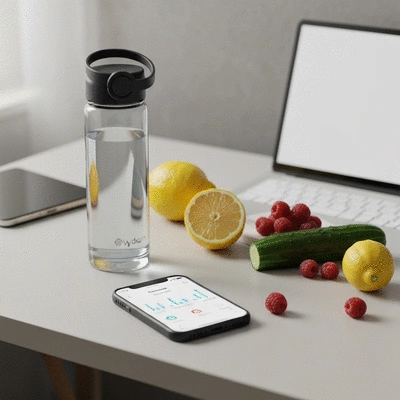
To help you stay on track with your hydration goals, several tools and resources are available. Here’s a quick list of what you can use:
- Mobile Apps: There are numerous apps available that can remind you to drink water and track your intake.
- Water Bottles with Markings: Consider using a water bottle with time markings to encourage regular sipping throughout the day.
- Hydration Trackers: Utilize simple spreadsheets to log your daily water consumption and identify trends.
These tools can make hydration easier and more engaging! Remember, the more aware you are of your water intake, the more likely you are to stay hydrated and support your digestive health.
Call to Action: Start Your Journey to Better Hydration Today
Are you ready to take control of your hydration and digestive health? It’s time to start! Begin by setting a daily water intake goal and using the resources mentioned above to track your progress. Remember, every small step counts! As you cultivate these healthy habits, you’ll likely notice a positive shift in your overall well-being.
At Constipation Prevention, we’re here to support you on this journey. Join our community for more tips, resources, and encouragement as you work towards achieving optimal digestive health. Together, let’s make hydration a priority for a happier, healthier you!
Recap of Key Points
Here is a quick recap of the important points discussed in the article:
- Drink at least eight 8-ounce glasses of water daily, adjusting based on your activity level and climate.
- Listen to your body for signs of dehydration, such as dry mouth, fatigue, or dark urine.
- Incorporate hydration-enhancing foods, like fruits and vegetables, into your diet for added benefits.
- Consider personalized hydration strategies based on your unique needs, whether you’re active, elderly, or pregnant.