Staying hydrated is not just about quenching your thirst; it can significantly influence your digestive health. Understanding this connection is vital for avoiding discomfort and promoting regularity. Let's explore the crucial insights from our discussion on hydration and constipation!
What You Will Learn
- Dehydration can cause the body to absorb more water from the stool, leading to harder, drier bowel movements.
- Adequate fluid intake helps soften stool and enhances gastrointestinal motility, reducing constipation risk.
- Electrolytes play a crucial role in digestive function; insufficient levels can impair bowel movements.
- Incorporating hydrating foods and monitoring hydration based on activity levels are essential for maintaining digestive health.
The Physiological Impact of Dehydration on Constipation
Understanding how insufficient fluid intake affects bowel movements.
Dehydration's Pathway to Constipation
Step 1
Insufficient Water Intake
Step 2
Body Absorbs Moisture from Stool
Step 3
Stool Becomes Harder & Drier
Result
Increased Risk of Constipation
Benefits of Adequate Hydration
Softens stool for easier passage.
Enhances gastrointestinal motility.
Prevents bloating and discomfort.
The Role of Electrolytes
Sodium, Potassium, Magnesium
Regulate intestinal muscle contractions.
Deficiency impairs motility & increases risk.
Understanding the Physiological Connection Between Dehydration and Constipation
Have you ever noticed how your body feels when you're not drinking enough water? Dehydration can significantly affect your digestive health, especially when it comes to constipation. When your body is dehydrated, it struggles to maintain the necessary moisture in your stool, leading to harder, drier bowel movements that can be challenging to pass. This connection highlights the importance of staying hydrated for keeping our digestive system running smoothly! Healthline provides further insights into how dehydration can directly lead to constipation.
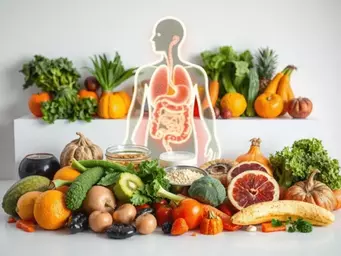
So, how exactly does dehydration impact our bowel movements? Essentially, when your body lacks sufficient water, it absorbs every drop from the food in your intestines. This can lead to harder stool that slows down transit time in your colon. As a result, you might find yourself feeling bloated and uncomfortable. Understanding this physiological mechanism is crucial for preventing constipation and promoting overall digestive wellness.
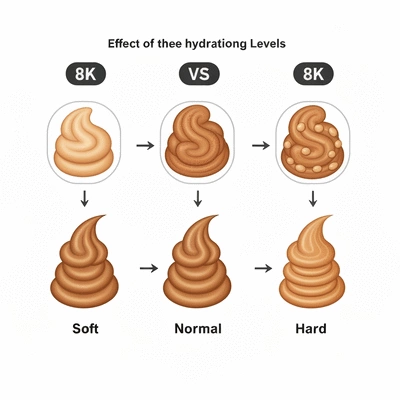
How Dehydration Impacts Bowel Movements
Dehydration can lead to a series of changes in your digestive function that result in constipation. To break it down:
- The body prioritizes hydration for essential organs, which can lead to the colon absorbing more water from the stool.
- This absorption makes the stool harder and drier, making it difficult to pass.
- Inadequate hydration also slows down the movement of food through the intestines, increasing the risk of constipation.
As a health and wellness educator, I often remind my readers that staying aware of their hydration levels can significantly impact their digestive health! Regular water intake can help maintain the right consistency of stool, making bowel movements more comfortable and regular.
The Role of Fluid Intake in Maintaining Digestive Health
Staying hydrated is essential for overall health, and it plays a pivotal role in digestive health as well. Adequate hydration helps to:
- Softens the stool, making it easier to pass.
- Enhance the efficiency of digestion by improving gastrointestinal motility.
- Prevent feelings of bloating and discomfort associated with constipation.
In my experience, many individuals underestimate the importance of fluid intake. Drinking enough water throughout the day can make a significant difference in how our digestive system functions. The Physicians Committee for Responsible Medicine emphasizes fluid intake as a key recommendation for managing constipation. So, let’s make it a habit to sip our way to better bowel health!

Exploring the Role of Electrolytes in Digestive Function
While we often think of hydration in terms of plain water, electrolytes are also crucial for maintaining digestive health. Electrolytes such as sodium, potassium, and magnesium help regulate various bodily functions, including muscle contractions in the intestines. Without sufficient electrolytes, you may experience:
- Muscle cramps that can affect your gastrointestinal tract.
- Impaired motility, leading to slower bowel movements.
- Increased risk of dehydration, especially when combined with excessive sweating or illness.
It's essential to maintain a balanced intake of electrolytes alongside your water consumption. Research from the NCBI highlights the critical role of fluid and electrolyte balance in overall body function. Incorporating foods like bananas, leafy greens, and nuts can help keep your electrolyte levels in check, supporting your digestive health!
Identifying the Symptoms and Causes of Constipation Related to Dehydration
Understanding the symptoms of dehydration and its relation to constipation is vital for early intervention. If you notice signs of dehydration, it’s important to take steps to rehydrate promptly!
We Want to Hear From You!
What strategies have you found effective in maintaining hydration for better digestive health? Share your thoughts below:
Frequently Asked Questions About Hydration and Constipation
How does dehydration specifically contribute to constipation?
When you are dehydrated, your body absorbs more water from the stool in your intestines to conserve fluid. This makes the stool harder and drier, making it difficult to pass and leading to constipation.
How much water should I drink daily to prevent constipation?
While individual needs vary, a general recommendation is to drink at least eight 8-ounce glasses of water daily. It's also important to consider activity levels and climate, as these can increase your fluid needs.
What role do electrolytes play in preventing constipation?
Electrolytes like sodium, potassium, and magnesium are vital for regulating muscle contractions in the intestines. Insufficient levels can impair gut motility, leading to slower bowel movements and an increased risk of constipation.
Are there foods that can help with hydration and prevent constipation?
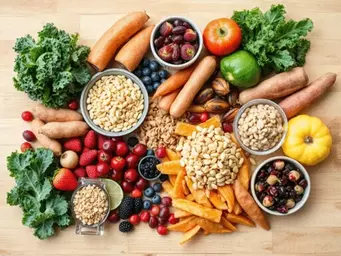
Yes, incorporating hydrating foods such as fruits and vegetables (e.g., cucumbers, watermelon, oranges, leafy greens) can significantly contribute to your fluid intake and provide fiber, both of which support healthy digestion and prevent constipation.
What are the signs that my constipation might be related to dehydration?
If your stools are hard, dry, and difficult to pass, and you also notice signs of dehydration such as infrequent urination, dark urine, dry mouth, or thirst, it's highly likely that your constipation is linked to insufficient fluid intake.
Summarizing the Importance of Hydration in Preventing Constipation
Throughout this article, we’ve explored the vital connection between hydration and constipation. Dehydration can significantly impact our digestive health, leading to hard stools and irregular bowel movements. It’s clear that consuming enough fluids is crucial for maintaining soft stool consistency and promoting healthy intestinal transit.
To recap, adequate hydration not only helps to soften stool but also supports overall gastrointestinal function. By recognizing the signs of dehydration and understanding its role in constipation, we can take proactive steps towards better digestive health. Remember, the goal is to keep our bodies well-hydrated to ensure our digestive systems function optimally!
- Drink at least eight 8-ounce glasses of water daily.
- Incorporate hydrating foods like fruits and vegetables into your meals.
- Monitor your body’s hydration needs based on activity levels and climate.
These steps are essential in our journey towards regularity and overall wellness. As I often remind my readers at Constipation Prevention, small changes can lead to significant improvements in our digestive health!
Encouraging Action: Adopting Healthy Hydration Habits
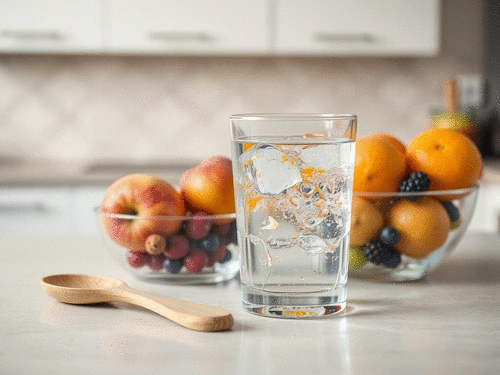
Now that we understand the importance of hydration, I encourage you to actively implement the hydration strategies we discussed. Start by setting daily water intake goals and incorporate fun ways to hydrate, like infusing your water with fruits or herbs. Additionally, keep track of your bowel health and hydration levels—you might be surprised at how simple adjustments can enhance your overall well-being!
I'd love to hear about your experiences. Have you found any particular strategies that work for you? Feel free to share your thoughts in the comments or reach out for professional advice if you’re struggling with constipation. Together, we can take steps towards better digestive health and ensure our bodies are getting the hydration they need!
Recap of Key Points
Here is a quick recap of the important points discussed in the article:
- Dehydration can lead to harder, drier stools, making bowel movements more difficult.
- Adequate hydration is essential for maintaining digestive health and preventing constipation.
- Electrolytes play a crucial role in digestive function and should be balanced with water intake.
- Incorporating hydrating foods like fruits and vegetables can enhance fluid intake and support digestion.
- Monitoring hydration levels based on activity and climate is vital for optimal gut health.