Have you ever considered how your pelvic floor health could be affecting your digestion? This intricate system plays a crucial role in bowel movements, and understanding its function can be the key to overcoming constipation.
What You Will Learn
- Pelvic floor dysfunction can lead to constipation due to weak or tight muscles affecting bowel movements.
- Identifying pelvic floor issues is essential, and simple exercises can help manage these conditions.
- A strong core supports pelvic floor function, enhancing overall bowel health.
- Incorporating pelvic floor exercises, like Kegels and squats, can significantly improve digestive wellness.
- Consistent practice of these exercises leads to better bowel coordination and reduced straining during defecation.
The Pelvic Floor-Constipation Connection
The intricate relationship between pelvic floor health and digestive function, particularly regarding constipation, is crucial for overall well-being. Understanding how pelvic floor dysfunction contributes to constipation is the first step toward effective relief.
Pelvic Floor Dysfunction Contributing to Constipation
Weak Muscles
Insufficient pressure to expel stool effectively.
Tight Muscles
Prevents relaxation, making stool passage difficult.
Pelvic Floor Exercises for Constipation Relief
Kegel Exercises
Strengthens muscles for better bowel control.
Pelvic Tilts
Enhances mobility and relaxation for easier passage.
Squats
Promotes natural positioning for effective elimination.
Understanding the Connection Between Pelvic Floor Dysfunction and Constipation
Many of us might not realize that our pelvic floor health plays a significant role in our digestive systems, particularly when it comes to constipation. This intricate network of muscles supports our organs and helps us control bowel movements. Understanding pelvic floor dysfunction can unlock the key to relieving constipation for many individuals looking for solutions.
As someone who is passionate about digestive health, I've seen firsthand how pelvic floor issues can affect regularity. Let's explore this connection further!
What is Pelvic Floor Dysfunction?
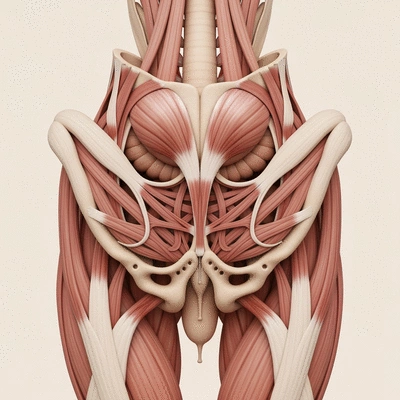
Pelvic floor dysfunction refers to a condition where the pelvic muscles, which support the bladder, intestines, and uterus, become weak or tight. This dysfunction can lead to difficulty in bowel movements, urinary issues, and even discomfort during intercourse. It’s essential to recognize that this condition is common and not something to be embarrassed about!
- Weak pelvic floor muscles may lead to incontinence.
- Overactive pelvic floor muscles can cause painful bowel movements.
- Both conditions can contribute significantly to constipation.
Identifying pelvic floor dysfunction is a vital first step in addressing constipation. Many individuals are unaware that these issues can be managed with simple exercises and changes in lifestyle. For a deeper understanding of pelvic floor disorders and treatments, you can refer to this NCBI article on Pelvic Floor Dysfunction.
How Does Pelvic Floor Dysfunction Contribute to Constipation?
The pelvic floor muscles must work correctly to facilitate smooth bowel movements. When these muscles are either too weak or too tight, they can hinder the natural process of defecation, leading to constipation. Essentially, the right balance of strength and relaxation in these muscles is crucial for proper bowel function.
- Weakness can result in insufficient pressure to expel stool.
- Tension may prevent complete relaxation, making it difficult to have a bowel movement.
- Improper coordination of these muscles can exacerbate constipation symptoms.
Addressing pelvic floor dysfunction can therefore be a game-changer for those suffering from constipation. It’s about fostering a healthy relationship with our bodies and recognizing the signs early!
The Role of Abdominal Muscles in Pelvic Floor Function
Did you know that your abdominal muscles are closely linked to your pelvic floor? A strong core supports your pelvic floor, ensuring that everything functions harmoniously. If your abdominal muscles are weak, they may not provide the necessary support to keep your pelvic floor healthy.

- Strong abdominal muscles help maintain proper posture.
- They assist in creating intra-abdominal pressure essential for bowel movements.
- Engaging your core during pelvic floor exercises can enhance effectiveness.
By incorporating abdominal strengthening exercises into your routine, you can positively influence both your pelvic floor and bowel health. This holistic approach is essential for long-term digestive wellness, something I truly believe in at Constipation Prevention!
We Want to Hear From You!
Have you experienced any changes in your digestive health since incorporating pelvic floor exercises into your routine? Share your thoughts below:
Frequently Asked Questions About Pelvic Floor Health and Constipation
What is the pelvic floor, and how does it relate to digestion?
The pelvic floor is a group of muscles that support the bladder, intestines, and uterus. These muscles are crucial for controlling bowel movements. Dysfunction in these muscles, whether they are too weak or too tight, can directly impact digestion and lead to issues like constipation.
How does pelvic floor dysfunction cause constipation?
Pelvic floor dysfunction can cause constipation in two main ways: if the muscles are too weak, they cannot generate enough pressure to expel stool effectively; if they are too tight, they prevent relaxation, making it difficult for stool to pass. Both scenarios disrupt the natural process of defecation.
What exercises can help improve pelvic floor function for constipation relief?
Key exercises include Kegel exercises to strengthen pelvic floor muscles, pelvic tilts to enhance mobility and relaxation, and squats to promote a natural position for effective elimination. Consistent practice of these can significantly improve bowel coordination.
Can core strength affect my pelvic floor and digestion?
Yes, absolutely. Strong abdominal muscles (your core) provide essential support to your pelvic floor. A strong core helps maintain proper posture and assists in creating the intra-abdominal pressure needed for healthy bowel movements. Engaging your core during pelvic floor exercises also enhances their effectiveness.
How long does it take to see results from pelvic floor exercises?
While individual results may vary, consistent practice of pelvic floor exercises can lead to noticeable improvements in bowel coordination and reduced straining over time. It's a gradual process, and long-term commitment is key to lasting digestive health.
Summarizing the Importance of Pelvic Floor Exercises for Constipation
Pelvic floor exercises are more than just a trend; they are a vital tool in managing and preventing constipation. By focusing on these techniques, you're not only enhancing your pelvic health but also improving your overall digestive wellness. Throughout this section, I’ll share key takeaways on how pelvic floor exercises can significantly benefit your bowel health.
- Kegel exercises help strengthen pelvic floor muscles, improving control over bowel movements. For guidance on performing Kegel exercises correctly, the Cleveland Clinic provides detailed instructions.
- Pelvic tilts can enhance mobility and relaxation, making it easier to pass stools.
- Squats support proper bowel function by promoting a natural position for elimination.
- Integrating these exercises into your daily routine encourages consistent practice and long-term results.
Remember, the journey to improved bowel health is a gradual one. Each of these exercises plays a role in fostering a well-functioning digestive system. As you commit to these techniques, you'll likely notice a decrease in straining and discomfort during defecation, leading to an overall better quality of life!
Key Takeaways on the Techniques and Benefits
To wrap it all up, let’s highlight the most important points regarding pelvic floor exercises and their impact on constipation. First, engaging in regular pelvic floor workouts can lead to better bowel coordination. Secondly, these exercises can significantly reduce the discomfort associated with constipation by easing the strain involved in the process.
- Consistent practice of pelvic floor exercises enhances muscle strength.
- Better bowel coordination leads to smoother and more effective movements.
- Reduced straining can prevent future complications related to constipation.
As we move forward, it's vital to remember that maintaining a routine with these exercises doesn't just help in the short term; it contributes to long-term digestive health. By integrating pelvic floor therapy into your lifestyle, you can pave the way for lasting wellness. Further research on the effectiveness of pelvic floor rehabilitation for chronic constipation can be found in this study on PubMed Central.
Encouraging a Commitment to Long-term Pelvic Health
At Constipation Prevention, I’m passionate about empowering you to take control of your digestive health. This commitment to long-term pelvic health involves not just practicing exercises but also seeking out resources and support to sustain your journey.
Resources and Support for Ongoing Practice
Finding the right resources can make all the difference in your journey toward digestive wellness. Here are some valuable options to consider:
- Online courses or videos that demonstrate proper pelvic floor techniques.
- Books and articles that delve deeper into the science of pelvic health.
- Support groups or forums where you can connect with others sharing similar experiences.
- Consulting with a healthcare professional for personalized guidance.
Utilizing these resources will help you stay committed and make progress toward better pelvic health. Don’t hesitate to reach out and ask questions along the way—your health is worth it!
Inviting Reader Experiences: Share Your Journey
I’d love to hear from you! Have you started incorporating pelvic floor exercises into your routine? What challenges have you faced, and what successes have you celebrated? Sharing your experiences not only enriches your journey but can also inspire others facing similar struggles.
Remember, at Constipation Prevention, we’re all about creating a community of support and understanding. Your insights can make a significant impact on someone else's path to digestive health. Let’s continue this conversation and empower each other as we navigate the path to better well-being!
Recap of Key Points
Here is a quick recap of the important points discussed in the article:
- Pelvic floor dysfunction can significantly impact bowel movements and may lead to constipation.
- Identifying and addressing pelvic floor issues is crucial for improving digestive health.
- Incorporating abdominal strengthening exercises can enhance pelvic floor function.
- Regular pelvic floor exercises, such as Kegels and pelvic tilts, are essential for managing constipation.
- Utilizing resources and support can facilitate a commitment to long-term pelvic health.