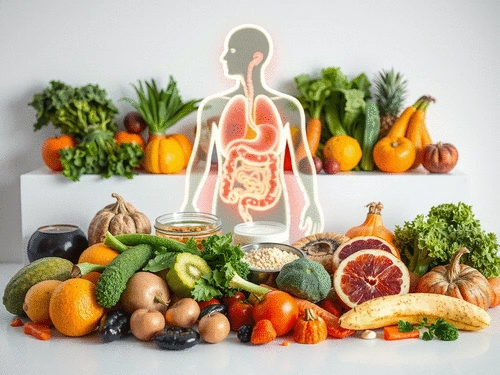
Did you know that the gut microbiome plays a crucial role not just in digestion, but also in your immune function and mental health? Understanding this tiny ecosystem can lead to significant improvements in your overall well-being.
What You Will Learn
- The gut microbiome is essential for digestion, nutrient absorption, and immune system regulation.
- Dysbiosis, or microbial imbalance, can lead to health issues like constipation and inflammation.
- Incorporating fiber-rich and fermented foods into your diet promotes beneficial gut bacteria and SCFA production.
- Regular hydration and physical activity are vital for maintaining a healthy gut microbiome.
Understanding the Gut Microbiome: Key Components & Impact
The gut microbiome is a complex ecosystem. This visual highlights the essential components and their impact on digestive health.
Component 1
Gut Microbiome Composition
Trillions of microorganisms, including bacteria, viruses, fungi, and archaea. Key for digestion and immunity.
Component 2
Beneficial Bacteria
Lactobacillus (ferments lactose), Bifidobacterium (digests fiber), Faecalibacterium (anti-inflammatory).
Key Function
Short-Chain Fatty Acids (SCFAs)
Produced by bacteria fermenting fiber. Provide energy for colon cells, reduce inflammation, enhance nutrient absorption.
Impact
Dysbiosis (Imbalance)
Caused by poor diet, stress, antibiotics. Leads to increased inflammation, reduced gut barrier function, altered metabolism.
Understanding the Gut Microbiome and Its Role in Digestive Health
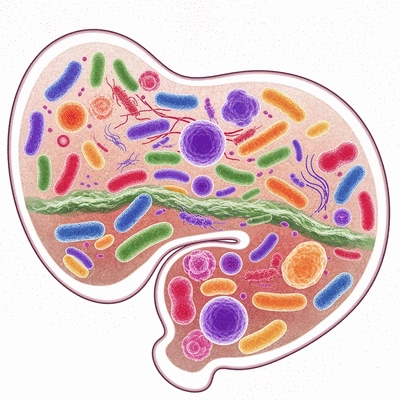
Have you ever wondered about the tiny world living inside your gut? That’s right; I’m talking about the gut microbiome! It’s a complex community of trillions of microorganisms, including bacteria, viruses, fungi, and even archaea. These little guys play a crucial role in our digestive health and overall well-being. Understanding how the gut microbiome functions is essential for anyone looking to improve their digestive health, and that’s exactly what I aim to help you with here at Constipation Prevention.
The gut microbiome influences everything from nutrient absorption to immune function. When these microorganisms are balanced, they support a strong digestive system. However, an imbalance—or what we call dysbiosis—can lead to various health problems, including constipation. Let's dive deeper into what the gut microbiome is and why it’s so important!
What is the Gut Microbiome and Why is it Important?
The gut microbiome consists of billions of microorganisms living primarily in our intestines. These microbes help break down food, synthesize vitamins, and even educate our immune system. In fact, they contribute to a healthy gut barrier, protecting us from harmful pathogens. It's amazing how these tiny organisms can have such a vast impact on our health!
- Supports digestion and nutrient absorption
- Regulates immune function
- Produces essential vitamins and short-chain fatty acids (SCFAs)
- Influences the gut-brain axis, affecting mood and behavior
As we can see, the gut microbiome is vital for maintaining a balanced digestive system. If you’re struggling with constipation, understanding your gut health is the first step towards finding solutions!
Key Beneficial Gut Bacteria and Their Functions
Among the countless microbes in our gut, certain bacteria stand out for their health benefits. These beneficial gut bacteria help regulate digestive processes and contribute to our overall well-being. Some well-known players include:
- Lactobacillus: Helps ferment lactose and produces lactic acid, which creates an inhospitable environment for harmful bacteria.
- Bifidobacterium: Important for digesting dietary fiber and producing SCFAs, which nourish intestinal cells.
- Faecalibacterium: Known for its anti-inflammatory properties, which promote gut health and reduce the risk of gastrointestinal disorders.
These bacteria not only help with digestion but also play a role in maintaining a healthy immune system. Isn’t it fascinating how our diet can influence the balance of these beneficial bacteria?
The Role of Short-Chain Fatty Acids (SCFAs) in Digestion
Speaking of SCFAs, these fascinating compounds are produced when gut bacteria ferment soluble fiber. They serve multiple functions, such as:
- Providing energy for colon cells
- Reducing inflammation in the gut
- Enhancing nutrient absorption
Incorporating fiber-rich foods into your diet can help boost SCFA production. Foods like beans, lentils, and whole grains are great options! By doing so, you’ll not only support your gut bacteria but also promote better overall digestive health.
Understanding Dysbiosis and Its Impact on Gut Health
Now, let’s talk about dysbiosis. This term refers to an imbalance in the gut microbiome, often resulting from poor diet, stress, or antibiotics. When this occurs, harmful bacteria can outnumber beneficial ones, leading to issues like constipation.
- Increased inflammation
- Reduced gut barrier function
- Altered metabolism
To combat dysbiosis, it’s essential to adopt a balanced diet, rich in fiber and probiotics. By nurturing your gut microbiome, you’re taking a significant step toward preventing constipation and enhancing your overall health!
Dietary Influences on Gut Microbiota Diversity and Functionality
Understanding how our diet impacts the diversity and functionality of our gut microbiota is crucial. The foods we eat can either nourish our beneficial bacteria or feed harmful pathogens. Recent research, such as a study on gut microbiota and polyphenols, highlights the significant role of dietary components in shaping this microbial ecosystem.
Interactive Poll: Your Gut Health Journey
We’d love to know more about your experiences! How often do you think about your gut health?
Wrapping Up: Key Insights on Gut Microbiome and Digestive Health
As we look back on the importance of the gut microbiome, it becomes clear that maintaining a healthy gut is crucial for overall digestive health. The gut is home to trillions of microorganisms, and a balanced microbiome can lead to improved digestion, enhanced immunity, and even better mental health. It’s fascinating to think about how our choices can influence these tiny yet mighty organisms living within us!
From the discussions we've had, it's evident that our dietary habits play a significant role in shaping our gut microbiota. By understanding this intricate relationship, we can make informed decisions that support our digestive wellness. So, let’s take a moment to focus on some key insights that can guide us toward better gut health.

Future Directions in Microbiome Research and Health Applications
The field of microbiome research is rapidly evolving, opening doors to new health applications that can make a real difference in our lives. As we continue to uncover the complexities of the gut microbiome, here are some promising areas of exploration:
- Identifying specific microbial strains that can improve gut health.
- Developing personalized probiotics tailored to individual microbiome profiles. For example, a recent study published in Frontiers in Microbiology discusses advances in precision microbiome modulation.
- Exploring the potential of fecal microbiota transplantation for treating digestive disorders.
- Investigating the gut-brain connection to enhance mental health treatments.
This emerging research not only highlights the significance of gut health but also paves the way for innovative treatments that could revolutionize how we approach digestive wellness.
Taking Action: Practical Steps for Enhancing Your Gut Health
Now that we’ve explored the science behind the gut microbiome, it’s time to put this knowledge into practice! Here are some actionable steps you can take today to enhance your gut health:
- Incorporate a variety of fiber-rich foods into your diet—think fruits, vegetables, and whole grains.
- Consider adding fermented foods like yogurt, kefir, and sauerkraut to your meals to boost beneficial bacteria.
- Stay hydrated! Drinking enough water is essential for overall digestive function.
- Engage in regular physical activity to promote healthy digestion and support your microbiome.
These simple yet effective changes can help you cultivate a balanced microbiome and support your journey toward optimal digestive health.
Exploring Health Guidelines and Clinical Trials for Gut Disorders
Lastly, if you’re curious about the latest findings in gut health, I encourage you to explore health guidelines and participate in clinical trials related to gut disorders. Organizations and research institutions are constantly seeking individuals to contribute to their studies. An example of ongoing research can be found in this article about dietary fiber and gut health. By participating, you not only gain access to cutting-edge information but also play a role in advancing our understanding of digestive health.
At Constipation Prevention, we are dedicated to providing you with the latest research-backed information and practical strategies to support your digestive wellness. Remember, your gut health is a journey, and every small change can lead to significant improvements!
Frequently Asked Questions (FAQs) About the Gut Microbiome
- Q: What is the gut microbiome?
- A: The gut microbiome is a complex community of trillions of microorganisms, including bacteria, viruses, fungi, and archaea, living primarily in your intestines. It plays a crucial role in digestion, immunity, and overall well-being.
- Q: Why is the gut microbiome important for digestive health?
- A: It's vital because these microorganisms help break down food, synthesize vitamins, regulate immune function, and produce essential short-chain fatty acids (SCFAs). A balanced microbiome supports a strong digestive system and protects against harmful pathogens.
- Q: What are Short-Chain Fatty Acids (SCFAs) and why are they important?
- A: SCFAs are compounds produced when gut bacteria ferment soluble fiber. They provide energy for colon cells, reduce inflammation in the gut, and enhance nutrient absorption.
- Q: What is dysbiosis?
- A: Dysbiosis refers to an imbalance in the gut microbiome, often caused by poor diet, stress, or antibiotics. It can lead to increased inflammation, reduced gut barrier function, altered metabolism, and digestive issues like constipation.
- Q: What practical steps can I take to improve my gut health?
- A: You can improve your gut health by incorporating a variety of fiber-rich foods (fruits, vegetables, whole grains), adding fermented foods (yogurt, kefir, sauerkraut) to your diet, staying well-hydrated, and engaging in regular physical activity.
Recap of Key Points
Here is a quick recap of the important points discussed in the article:
- The gut microbiome is essential for digestion, nutrient absorption, and immune regulation.
- Balancing beneficial gut bacteria such as Lactobacillus and Bifidobacterium is crucial for maintaining gut health.
- Incorporating fiber-rich and fermented foods into your diet can enhance the production of short-chain fatty acids (SCFAs), promoting better gut health.
- Dysbiosis, an imbalance in gut bacteria, can lead to digestive issues like constipation, emphasizing the importance of a balanced diet.
- Practical steps for gut health include eating a variety of fiber-rich foods, staying hydrated, and engaging in regular physical activity.