
What if the key to your overall health lies in the tiny microbes within your gut? Understanding how prebiotics and probiotics work can transform your digestive wellness and enhance your life.
What You Will Learn
- Probiotics: Live microorganisms that improve digestion and boost immune function.
- Prebiotics: Non-digestible fibers that nourish probiotics and support gut health.
- Gut Microbiome: A diverse gut flora can enhance immunity, digestion, and even mental health.
- Choosing Wisely: Understand when to choose prebiotics or probiotics for optimal gut function.
- Whole Foods vs. Supplements: Evaluate the benefits of obtaining probiotics and prebiotics from whole foods versus supplements.
- Health Claims: Be cautious of product claims; look for third-party testing and scientific backing.
Prebiotics vs. Probiotics: A Gut Health Comparison
Understanding the distinct roles of prebiotics and probiotics is key to optimizing digestive wellness. This comparison highlights their functions, benefits, and how they contribute to a balanced gut microbiome.
Probiotics: The "Good" Bacteria
Live microorganisms that provide health benefits when consumed. They are the actual bacteria that populate your gut.
Key Benefits:
- ✓Improved Digestion & Nutrient Absorption
- ✓Enhanced Immune Function
- ✓Relief from Digestive Issues (bloating, gas)
Sources:
Yogurt, Kefir, Sauerkraut, Kimchi
Prebiotics: Food for Good Bacteria
Non-digestible fibers that act as nourishment for beneficial bacteria in your gut, encouraging their growth.
Key Benefits:
- ✓Increased Fiber Intake for Regularity
- ✓Supports Healthy Gut Bacteria Balance
- ✓Enhanced Mineral Absorption (Calcium, Magnesium)
Sources:
Garlic, Onions, Bananas, Asparagus
Understanding the Basics of Gut Health: Prebiotics and Probiotics Defined
When it comes to gut health, understanding the role of prebiotics and probiotics is essential! These two play vital roles in maintaining a balanced digestive system. As someone passionate about helping individuals achieve optimal digestive function, I can assure you that grasping these concepts can lead you to better health outcomes.
In this section, we'll uncover what probiotics and prebiotics are, how they function, and how they contribute to your overall wellness. Let's dive right in!
What Are Probiotics and Their Role in Gut Health?
Probiotics are live microorganisms, often referred to as “good” bacteria, that provide health benefits when consumed. These beneficial bacteria help maintain a healthy gut flora, which is crucial for effective digestion and nutrient absorption. For a deeper dive into the science, the World Gastroenterology Organisation Global Guidelines on Probiotics and Prebiotics offer comprehensive information.
- Improved Digestion: Probiotics can help break down food more effectively, making it easier for your body to absorb nutrients.
- Enhanced Immune Function: A well-balanced gut can support your immune system, helping to ward off infections and illnesses.
- Relief from Digestive Issues: Probiotics may alleviate symptoms of bloating, gas, and even constipation!

Incorporating foods rich in probiotics, like yogurt or kefir, into your diet can be a delightful way to boost your gut health. The more we know about these tiny allies, the better equipped we are to support our digestive wellness!
What Are Prebiotics and Their Contribution to Digestive Wellness?
Prebiotics are non-digestible fibers that serve as food for probiotics. They help nourish and encourage the growth of beneficial bacteria in your gut. Think of them as fertilizer for your gut flora! The International Scientific Association for Probiotics and Prebiotics provides insights into the latest research on biotic science.
- Source of Fiber: Prebiotics increase fiber intake, which is vital for promoting regular bowel movements.
- Support for Gut Health: By feeding probiotics, prebiotics play a crucial role in maintaining a healthy balance of gut bacteria.
- Enhanced Mineral Absorption: They can improve the absorption of essential minerals like calcium and magnesium.
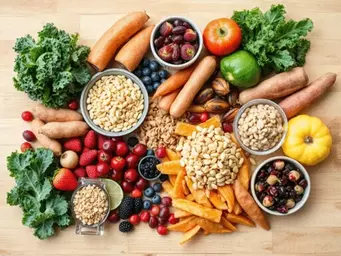
Foods such as garlic, onions, bananas, and asparagus are fantastic sources of prebiotics! Adding these to your meals can help create a balanced environment for your gut bacteria to thrive.
How Gut Flora and Gut Bacteria Influence Overall Health
The composition of your gut flora, or microbiome, significantly impacts your overall health. A diverse gut microbiome can lead to improved digestion, stronger immunity, and even better mental health! The Cleveland Clinic offers further details on the impact of probiotics on overall health.
- Gut-Brain Connection: There’s a fascinating link between your gut health and mental wellness. A healthy gut can positively affect your mood and reduce anxiety.
- Weight Management: Certain gut bacteria can influence how your body stores fat and regulates hunger hormones.
- Chronic Disease Prevention: A balanced gut flora may help lower the risk of developing conditions such as diabetes and heart disease.
By understanding how our gut bacteria work and what they need to thrive, we can make informed choices that support our long-term wellness. Remember, nurturing your gut health is a journey towards a healthier you!
Frequently Asked Questions About Prebiotics and Probiotics
What is the main difference between prebiotics and probiotics?
Probiotics are live beneficial microorganisms that populate your gut, while prebiotics are non-digestible fibers that act as food for these beneficial bacteria, encouraging their growth and activity.
What are the key benefits of probiotics?
Probiotics can improve digestion and nutrient absorption, enhance immune function, and alleviate digestive issues such as bloating, gas, and constipation.
How do prebiotics contribute to digestive wellness?
Prebiotics increase fiber intake, support a healthy balance of gut bacteria by feeding probiotics, and enhance the absorption of essential minerals like calcium and magnesium.
Can I get prebiotics and probiotics from whole foods?
Yes, you can. Probiotics are found in fermented foods like yogurt, kefir, sauerkraut, and kimchi. Prebiotics are abundant in foods such as garlic, onions, bananas, and asparagus.
Is it better to take supplements or consume whole foods for gut health?
Whole foods generally offer additional nutritional benefits and are often more affordable. Supplements can provide concentrated doses of specific strains but may be pricier and their efficacy can vary. Starting with whole food sources is often recommended, with supplements considered if necessary.
How can I ensure the health claims of prebiotic and probiotic products are legitimate?
Look for products that have been verified by third-party testing and are backed by scientific research. Check for specific strain names and clear information on the product's viability and ability to survive stomach acid. Be cautious of vague marketing terms.
Engaging Question
As you explore the benefits of prebiotics and probiotics, we’d love to hear from you! Which of these gut health strategies have you tried, and what has worked best for you? Share your thoughts below:
Summarizing the Journey: Choosing Between Prebiotics and Probiotics
As we delve deeper into digestive health, it’s crucial to understand how to choose between prebiotics and probiotics. Each plays a unique role in supporting gut function, and determining when to use one over the other can significantly impact your wellness journey. In this section, I’ll guide you through the key factors to consider when making this important decision.
Evaluating the Evidence: When to Choose Prebiotics or Probiotics
When assessing whether to incorporate prebiotics or probiotics into your routine, it’s essential to recognize their distinct functions. Prebiotics, which are non-digestible fibers, serve as food for the beneficial bacteria in your gut. On the other hand, probiotics are live microorganisms that can help restore and maintain a healthy gut flora.
- Opt for prebiotics if you want to nourish your existing gut bacteria.
- Choose probiotics when aiming to add more beneficial bacteria to your microbiome.
- Consider combining both for a more comprehensive approach to gut health.
Additionally, individuals experiencing specific conditions, like irritable bowel syndrome (IBS) or constipation, may find particular strains of probiotics beneficial. Always consult with a healthcare professional to tailor your approach based on your unique health needs!
Making Informed Decisions: A Cost-Benefit Analysis of Supplements vs. Foods
When it comes to improving gut health, you might be wondering whether to invest in supplements or focus on whole foods. Each option has its own advantages and potential drawbacks. Let’s break it down:
- Supplements: Convenient and often contain concentrated doses of specific strains, but they can be pricey and don’t always guarantee efficacy.
- Whole Foods: Generally more affordable and provide additional nutritional benefits, but they may require more effort to incorporate into your daily diet.

It’s important to weigh these factors against your lifestyle and health goals. I often recommend starting with whole food sources of prebiotics and probiotics, then considering supplements if necessary. This approach keeps your gut health journey both affordable and enjoyable!
Understanding Health Claims Associated with Probiotics and Prebiotics
Lastly, as you explore your options, be mindful of the health claims associated with various products. Not all prebiotics and probiotics are created equal, and some may not deliver the promised benefits. Look for products that have been verified by third-party testing or backed by scientific research.
- Check for specific strain names, as different strains can have different effects.
- Look for clear information on the product's viability and how it survives stomach acid.
- Be cautious of vague marketing terms; always seek evidence-based claims.
Staying informed will empower you to make decisions that best support your journey to optimal gut health!
Next Steps for Improved Digestive Health
Now that you have a clearer understanding of how to choose between prebiotics and probiotics, it’s time to take action! Empowering yourself with knowledge is the first step towards enhancing your digestive wellness.
Encouraging Engagement: Sharing Your Gut Health Journey
I encourage you to share your experiences with gut health, whether successes or challenges, with those around you. Engaging with others can provide support and foster a sense of community, which is so important on this journey. Plus, sharing tips helps spread awareness about the importance of digestive health!
Call to Action: Explore Resources for Gut Health Optimization
As you continue on your path, don’t forget to explore the resources available at Constipation Prevention. Our articles, practical checklists, and actionable tips can guide you in implementing effective gut health strategies. Remember, small changes can lead to significant improvements!
Implementing Health Guidelines for a Balanced Gut Microbiome
Finally, consider implementing some health guidelines to support a balanced gut microbiome. Here are a few tips to get started:
- Incorporate a variety of fiber-rich foods into your diet.
- Stay hydrated by drinking plenty of water throughout the day.
- Prioritize regular physical activity to support digestive function.
These simple yet powerful actions can create a strong foundation for your digestive health. Remember, I’m here to support you every step of the way on this journey to better gut health!
Recap of Key Points
Here is a quick recap of the important points discussed in the article:
- Probiotics: Live microorganisms that improve digestion, enhance immune function, and provide relief from digestive issues.
- Prebiotics: Non-digestible fibers that nourish probiotics and support gut health, improve mineral absorption, and promote regular bowel movements.
- Gut Flora Impact: A diverse gut microbiome improves digestion, supports mental health, and lowers the risk of chronic diseases.
- Choosing Between Prebiotics and Probiotics: Opt for prebiotics to nourish existing bacteria and probiotics to introduce new beneficial strains; combining both can be effective.
- Whole Foods vs. Supplements: Whole foods are generally more affordable and provide additional nutrients, while supplements may offer concentrated doses but can be pricier.
- Evidence-Based Products: Look for verified strains and clear information on product efficacy to ensure you are making informed choices.