What if the key to a healthier digestive system lies in something as simple as your daily hydration? Research reveals that the way we hydrate can significantly impact our gut health, influencing digestion, nutrient absorption, and more. Let's dive into the essential lessons that will empower you to optimize your hydration and digestive wellness.
What You Will Learn
- Hydration is crucial for effective digestion and nutrient absorption.
- Whole food sources contribute significantly to daily hydration, accounting for 20-30% of water intake.
- Incorporating water-rich fruits like watermelon and strawberries can enhance hydration and digestive health.
- Vegetables such as cucumbers and lettuce are excellent sources of hydration and can aid in maintaining a healthy digestive system.
- Fermented foods, packed with probiotics, support gut health while also contributing to hydration.
- Consistent hydration and smart dietary choices are essential for maintaining optimal digestive wellness.
Hydration Power: Water Sources for Digestive Health
This visual highlights where our daily water intake comes from and the water content of key hydrating foods essential for digestive wellness.
Daily Water Intake Sources
- 70-80% from Liquids
- 20-30% from Whole Foods
Top Hydrating Fruits (Water Content)
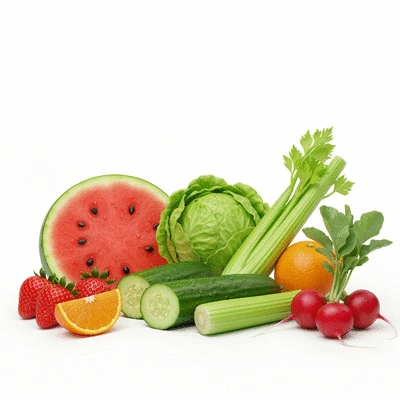
- Watermelon 92%
- Strawberries 91%
- Oranges 86%
Top Hydrating Vegetables (Water Content)
- Cucumber 95%
- Lettuce 95%
- Celery 95%
- Radishes 95%
Fermented Foods (Probiotic & Hydrating)
- ★ Kimchi
- ★ Yogurt
- ★ Sauerkraut
Benefits: Probiotics, improved digestion, hydration.
Understanding the Connection Between Hydration and Digestive Health
Did you know that staying properly hydrated is essential for your digestive health? Hydration plays a critical role in maintaining the health of your gastrointestinal system. When you're well-hydrated, your body can effectively break down food, absorb nutrients, and eliminate waste. A lack of adequate hydration can lead to dry stools and constipation, which is something I often see in my practice at Constipation Prevention.
Water is crucial in helping to transport nutrients and fluids throughout your body. It aids in digestion by dissolving nutrients, making them more accessible for absorption. Furthermore, hydration helps to soften stools, making them easier to pass and reducing discomfort associated with constipation.
The Role of Hydration in Digestive Function
- Enhances nutrient absorption
- Supports bowel regularity
- Facilitates the breakdown of food
- Helps maintain the mucosal lining of the intestines
Understanding how hydration impacts digestive function is a vital step toward achieving optimal gut health. When you're properly hydrated, your digestive system operates more smoothly, allowing you to feel more comfortable and balanced throughout the day.
Why Whole Foods Matter for Hydration
While drinking water is important, obtaining hydration from whole food sources can significantly enhance your daily intake. In fact, studies suggest that about 20-30% of our daily water intake can come from the foods we eat! This means that incorporating hydrating fruits and vegetables into your diet is just as crucial as drinking your eight glasses of water. For further insights into the benefits of water-rich foods, consider this resource from Cleveland Clinic on hydrating foods.
Whole foods like fruits and vegetables contain not only water but also essential vitamins and minerals that support overall health. By choosing a variety of these foods, you can effectively boost your hydration levels while nourishing your body.
Top Hydrating Foods to Enhance Digestive Health
Watermelon and Other Water-Rich Fruits for Optimal Hydration
Fruits are a delicious way to increase your hydration! Let's take a look at some water-rich fruits that can offer great benefits for your digestive health:
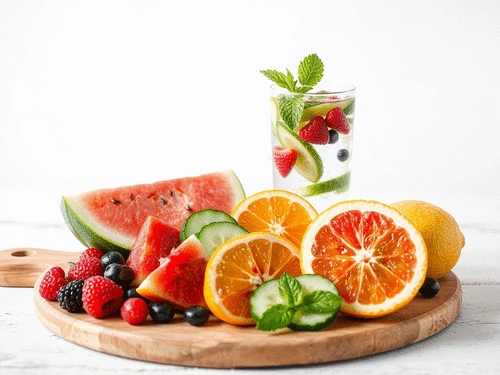
- Watermelon: Contains about 92% water and is low in calories.
- Strawberries: With 91% water content, they are high in fiber, aiding digestion.
- Oranges: These juicy fruits provide about 86% water and are rich in vitamin C.
These fruits not only hydrate you but also provide essential nutrients that help support digestive function. Enjoy them as snacks, in smoothies, or as a refreshing addition to your meals!
Water-Rich Vegetables for Optimal Hydration
Just like fruits, vegetables can also be great sources of hydration. Here are some water-rich vegetables you should consider including in your diet:
- Cucumber: Comprising about 95% water, cucumbers are refreshing and low in calories.
- Lettuce: This leafy green has around 95% water, making it perfect for salads.
- Celery: With about 95% water content, celery is a crunchy snack that supports hydration.
- Radishes: Their water content of approximately 95% helps keep you hydrated and satisfied.
Incorporating these vegetables into your meals can help you stay hydrated while also providing fiber and essential nutrients that support a healthy digestive system.
Fermented Foods: Boosting Gut Health with Probiotics
Don’t forget about fermented foods! These foods are not only hydrating but also packed with probiotics, which are beneficial for gut health. Some excellent options include:
- Kimchi: A spicy fermented dish that adds flavor and probiotic benefits.
- Yogurt: A delicious source of probiotics that also provides hydration.
- Sauerkraut: Fermented cabbage that supports digestion and adds hydration.
By incorporating these foods into your diet, you can help balance your gut microbiome, which is essential for digestion and overall health! For more information on how prebiotics and probiotics can aid digestive health, refer to this study on prebiotics and probiotics.
Did You Know?
Research shows that staying hydrated can increase your energy levels and improve your mood. In fact, just a 1-2% drop in hydration can negatively affect your cognitive performance!
Frequently Asked Questions (FAQs)
Why is hydration important for digestive health?
Proper hydration is crucial for breaking down food, absorbing nutrients, and ensuring smooth waste elimination. It softens stools, preventing constipation, and supports the overall function of your gastrointestinal system.
How much of my daily water intake comes from whole foods?
Approximately 20-30% of your daily water intake can come from water-rich whole foods like fruits and vegetables, making them a significant part of your hydration strategy.
What are some top hydrating fruits?
Excellent hydrating fruits include watermelon (92% water), strawberries (91% water), and oranges (86% water). These fruits also provide essential vitamins and fiber.
Which vegetables are best for hydration and digestive health?
Cucumber, lettuce, celery, and radishes all contain about 95% water. Incorporating these into your diet helps you stay hydrated and provides beneficial fiber and nutrients.
How do fermented foods contribute to gut health and hydration?
Fermented foods like kimchi, yogurt, and sauerkraut are rich in probiotics, which help balance your gut microbiome. They also contribute to your daily fluid intake, supporting overall hydration and digestion.
Wrapping Up the Benefits of Hydrating Foods for Digestive Wellness
In summary, we’ve explored the vital connection between hydration and digestive health. Staying well-hydrated not only supports efficient digestion but also enhances the overall function of your gastrointestinal system. Incorporating hydrating foods like fruits and vegetables into your daily meals can provide dual benefits: they help keep you hydrated while also promoting regular bowel movements and nutrient absorption. Remember, consistent hydration is a key player in maintaining optimal digestive wellness!
Empowering Your Health Journey with Smart Dietary Choices
Now that you understand the importance of hydrating foods, it’s time to make some smart dietary choices. Here are some actionable steps you can take to enhance your hydration and boost your digestive health:
- Add watermelon and cucumber slices to your salads and smoothies.
- Snack on berries or citrus fruits throughout the day.
- Incorporate fermented foods like yogurt or kimchi into your meals regularly.
- Consider starting your day with a glass of water infused with fresh fruit.
- Experiment with hydrating snacks, such as chia seed pudding or coconut water.
By integrating these options into your diet, you’ll not only enjoy delicious flavors but also support your body's hydration needs. It’s all about making choices that empower your health journey!
Join the Conversation: Share Your Experiences
I’d love to hear about your experiences with hydrating foods and how they’ve impacted your digestive health! Do you have any favorite recipes or tips to share? Please drop your thoughts in the comments below. Together, we can create a supportive community focused on digestive wellness and hydration. Remember, at Constipation Prevention, we’re all about empowering each other to achieve better health!

Recap of Key Points
Here is a quick recap of the important points discussed in the article:
- Staying properly hydrated is essential for maintaining digestive health.
- Hydration enhances nutrient absorption, supports bowel regularity, and facilitates food breakdown.
- Whole foods like fruits and vegetables contribute significantly to daily hydration.
- Water-rich fruits such as watermelon, strawberries, and oranges are excellent for hydration.
- Incorporating water-rich vegetables like cucumbers and lettuce can help maintain hydration levels.
- Fermented foods like yogurt and kimchi support gut health and provide additional hydration.
- Consistent hydration is key for optimal digestive wellness.