Are you aware that the right dietary choices can significantly improve your digestive health? Whole grains and legumes are not just filling; they are essential for maintaining a healthy gut. Let’s delve into how these nutrient-dense foods can transform your digestive health!
What You Will Learn
- Whole grains and legumes are rich in fiber, which helps prevent constipation and promotes digestive regularity.
- Dietary fiber increases stool bulk and shortens transit time, making it easier to eliminate waste.
- Understanding the difference between soluble and insoluble fiber can help you make better dietary choices for your digestive health.
- Prebiotics, a type of soluble fiber found in many whole foods, nourish beneficial gut bacteria and support a healthy microbiome.
- Incorporating a variety of fiber types in your diet can enhance nutrient absorption and overall well-being.
The Dual Impact of Fiber: Soluble vs. Insoluble
Understanding the distinct roles of soluble and insoluble fiber in digestive health.
Soluble Fiber
- Dissolves in water, forms a gel
- Slows digestion, helps lower cholesterol
- Found in oats, apples, beans
Insoluble Fiber
- Does not dissolve in water
- Adds bulk to stool, aids passage
- Found in whole grains, nuts, vegetables
Understanding the Role of Whole Grains and Legumes in Digestive Health
As we explore the foundations of digestive health, it's essential to highlight the significant role that whole grains and legumes play. These nutritional powerhouses are not just staples in a balanced diet; they're also crucial in preventing constipation and promoting overall wellness. In my journey as a health and wellness educator, I've witnessed how incorporating these foods can transform digestive function and enhance quality of life.
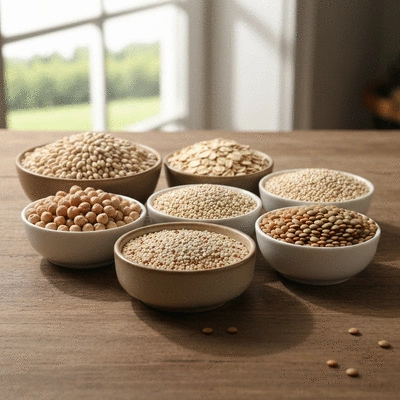
Whole grains and legumes are rich in differing types of fiber, each playing a unique role in ensuring our digestive systems run smoothly. By understanding how these foods work, we can make informed choices that support regularity and our long-term health goals. For comprehensive information on the benefits of integrating these foods into your diet, consider exploring resources on plant-based nutrition.
How Dietary Fiber Affects Constipation Relief
Dietary fiber is often hailed as a superhero in the fight against constipation. It adds bulk to our stool, making it easier to pass. Here are some key points to consider regarding dietary fiber and its role in constipation relief:
- Increased stool bulk: Fiber absorbs water, creating softer, bulkier stools that are easier to eliminate.
- Short transit time: A high-fiber diet helps food move through the digestive tract more quickly, reducing the risk of constipation.
- Enhanced gut health: Fiber supports beneficial gut bacteria, which can play a role in digestive regularity.
Incorporating fiber-rich foods into your daily meals can lead to positive changes in your digestive health. So, if you're feeling sluggish or uncomfortable, consider reaching for more whole grains and legumes!
Different Types of Fiber: Soluble vs. Insoluble
Understanding the different types of fiber can help you choose the right foods for your needs. There are two main categories: soluble and insoluble fiber. Each type serves a unique purpose in promoting digestive health:
- Soluble fiber: This type dissolves in water and forms a gel-like substance in the digestive tract. It helps slow digestion and can assist in lowering cholesterol levels. Foods rich in soluble fiber include oats, apples, and beans.
- Insoluble fiber: This type does not dissolve in water and adds bulk to the stool, helping it pass through the intestines. It's found in whole grains, nuts, and vegetables like broccoli and carrots.
To effectively combat constipation, it's important to include both types of fiber in your diet. A balanced intake promotes better digestive function and overall health.
The Importance of Prebiotics in Digestive Health
Prebiotics are a specific type of soluble fiber that serves as food for beneficial gut bacteria. By nourishing these bacteria, prebiotics help maintain a healthy gut microbiome, which plays a vital role in digestive health. Here’s why you should consider adding prebiotics to your diet:
- Improved gut flora: Prebiotics support the growth of good bacteria, which can help with digestion and immunity.
- Enhanced nutrient absorption: A healthy gut can better absorb nutrients from the foods you eat, contributing to overall well-being.
- Reduced digestive discomfort: A balanced gut microbiome can reduce bloating and discomfort, promoting regularity.
Foods rich in prebiotics include garlic, onions, bananas, and asparagus. By incorporating these into your meals, you're taking a proactive step toward better digestive health!
Whole Grains That Promote Healthy Digestion
Now that we understand the importance of whole grains and legumes in digestive health, let's dive into specific grains that can help promote healthy digestion and prevent constipation. For more detailed information on specific whole grains and their benefits, you can refer to resources like Harvard T.H. Chan School of Public Health's guide to whole grains.
Pro Tip
Did you know? Incorporating a variety of whole grains and legumes into your diet can enhance your digestive health significantly. Aim to mix different sources of fiber in your meals—try combining quinoa with black beans or adding barley to vegetable soups for a nutritious boost!
Frequently Asked Questions About Whole Grains and Legumes for Digestive Health
- Q: Why are whole grains and legumes important for digestive health?
- A: They are rich in fiber, which helps prevent constipation, promotes regular bowel movements, and supports a healthy gut microbiome.
- Q: What is the difference between soluble and insoluble fiber?
- A: Soluble fiber dissolves in water, forming a gel that slows digestion and helps lower cholesterol (found in oats, apples, beans). Insoluble fiber does not dissolve in water, adding bulk to stool and aiding its passage through the intestines (found in whole grains, nuts, vegetables).
- Q: How do prebiotics contribute to gut health?
- A: Prebiotics are a type of soluble fiber that acts as food for beneficial gut bacteria, supporting their growth and maintaining a healthy gut microbiome, which can improve digestion and nutrient absorption.
- Q: Can a high-fiber diet help with constipation?
- A: Yes, dietary fiber increases stool bulk, making it softer and easier to pass, and shortens transit time through the digestive tract, significantly aiding in constipation relief.
- Q: What are some examples of whole grains and legumes to include in my diet?
- A: Whole grains include oats, barley, quinoa, and brown rice. Legumes include lentils, black beans, chickpeas, and kidney beans. Incorporating a variety of these can provide a wide range of beneficial fibers.
Summarizing the Key Benefits of Whole Grains and Legumes for Digestive Health
Whole grains and legumes are not just filling foods; they are powerhouses for digestive health! Incorporating these foods into your diet can help promote regularity and prevent constipation. The benefits of a fiber-rich diet go beyond just easing discomfort; they can lead to improved overall well-being and energy levels. Research, such as that published in Frontiers in Nutrition, consistently highlights the positive impact of dietary fiber on gut microbiota and overall health.
At Constipation Prevention, I emphasize the importance of understanding how what we eat impacts our digestive system. Whole grains and legumes provide both soluble and insoluble fiber, which work together to keep things moving smoothly in your gut. So, let’s explore the key reasons why including these foods in your meals is essential!

Why a Fiber-Rich Diet Is Essential for Constipation Relief
A diet rich in fiber offers several advantages when it comes to preventing constipation. Here are some key benefits:
- Promotes Regular Bowel Movements: Fiber adds bulk to your stool and helps it pass through the intestines more easily.
- Supports a Healthy Gut Microbiome: The fermentation of fiber in the gut produces beneficial short-chain fatty acids that nourish gut bacteria.
- Stabilizes Blood Sugar Levels: Whole grains and legumes release energy slowly, helping to maintain steady blood sugar levels.
- Enhances Nutrient Absorption: Fiber aids in the absorption of vitamins and minerals, promoting overall digestive health.
By focusing on whole grains and legumes, you're not only working towards better digestion but also actively investing in your overall health!
Encouragement to Adopt Dietary Changes for Better Digestive Health
Making dietary changes can feel overwhelming, but I encourage you to take it one step at a time! Start by incorporating just one or two servings of whole grains and legumes into your meals each week. As you discover how these foods make you feel, you’ll likely want to include them more frequently.
Remember, small changes can lead to big benefits. Eating a fiber-rich diet doesn't have to be bland or boring. Experiment with recipes that feature barley, lentils, or quinoa, and you'll soon find delicious ways to support your digestive health.
Take charge of your gut health today! With the right choices and a bit of creativity, you can make significant strides in your digestive wellness. If you need ideas or guidance, don't hesitate to explore the resources at Constipation Prevention. Together, we can make this journey enjoyable and rewarding!
Recap of Key Points
Here is a quick recap of the important points discussed in the article:
- Whole grains and legumes are essential for digestive health, preventing constipation and promoting overall wellness.
- Dietary fiber increases stool bulk, shortens transit time, and enhances gut health, making it vital for constipation relief.
- Understanding the difference between soluble and insoluble fiber helps in choosing the right foods for digestive support.
- Prebiotics, a type of soluble fiber, nourish beneficial gut bacteria and are important for maintaining gut health.
- Incorporating a variety of fiber-rich foods into your diet promotes regular bowel movements and overall health.
- Making gradual dietary changes, such as adding whole grains and legumes, can lead to significant improvements in digestive wellness.