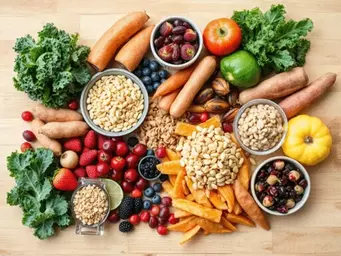
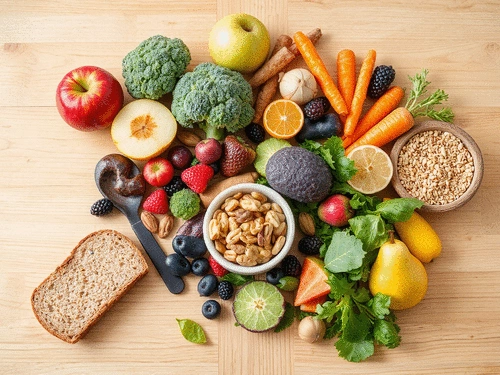
Did you know that dietary fiber is a key player in maintaining your digestive health? As you explore the world of nutrition, understanding the role of fiber can empower you to make informed dietary choices that enhance your well-being.
What You Will Learn
- Dietary fiber is crucial for digestive health and comes in two forms: soluble and insoluble.
- Soluble fiber helps lower cholesterol and stabilize blood sugar, while insoluble fiber promotes regular bowel movements.
- Fiber-rich diets can support weight management by promoting a feeling of fullness, aiding appetite control.
- Incorporating a variety of fiber sources into your meals can enhance overall health and prevent constipation.
- Gradually increasing fiber intake and staying hydrated is essential to avoid digestive discomfort.
- Whole foods are preferred over supplements for fiber, as they provide additional nutrients and support better digestion.
Fiber: Soluble vs. Insoluble & Benefits
This visual highlights the key distinctions between soluble and insoluble fiber, along with their respective benefits for digestive health.
Soluble Fiber: Description & Sources
Dissolves in water, forming a gel. Helps lower cholesterol and stabilize blood sugar.
Key Sources:
- ✓ Oats
- ✓ Beans & Nuts
- ✓ Apples & Citrus Fruits
Insoluble Fiber: Description & Sources
Does not dissolve in water. Adds bulk to stool, promoting regular bowel movements.
Key Sources:
- ✓ Whole Grains
- ✓ Wheat Bran
- ✓ Vegetables (Carrots, Celery)
Overall Health Benefits of Fiber
- ★ Supports Healthy Weight
- ★ Regulates Cholesterol & Blood Sugar
- ★ Contributes to Gut Health
Understanding Dietary Fiber and Its Importance for Digestive Health
Welcome to the world of dietary fiber! Are you aware that this humble nutrient plays a pivotal role in maintaining your digestive health? At Constipation Prevention, I’m passionate about sharing how fiber can help you achieve optimal digestive function. Understanding dietary fiber is key to empowering yourself on your journey toward better health!
In essence, dietary fiber is a type of carbohydrate that your body can't digest. It helps keep your digestive system running smoothly and contributes to overall wellness. Not all fibers are created equal, though! They primarily come in two forms: soluble and insoluble.
Defining Dietary Fiber: Soluble vs. Insoluble
Soluble fiber dissolves in water, forming a gel-like substance. This type of fiber can help lower blood cholesterol levels and stabilize blood sugar. For a comprehensive list of fiber-rich foods, including those high in soluble fiber, consider checking out resources like the Mayo Clinic's guide to high-fiber foods. Foods rich in soluble fiber include oats, nuts, seeds, beans, and some fruits. On the flip side, insoluble fiber does not dissolve in water and adds bulk to your stool, promoting regular bowel movements. It’s found in whole grains, wheat bran, and many vegetables.
- Soluble Fiber: Oats, beans, apples, and citrus fruits.
- Insoluble Fiber: Whole grains, wheat bran, and vegetables like carrots and celery.
By including both types of fiber in your diet, you can enjoy a balanced approach to digestive health. Understanding these differences empowers you to make informed food choices that support long-term wellness.
Exploring the Role of Fiber in Overall Health
Fiber does so much more than just aid digestion! It plays a crucial role in maintaining a healthy weight, regulating cholesterol levels, and even supporting gut health. Did you know that fiber-rich diets can help you feel full longer? This can lead to better appetite control and ultimately, weight management! Research further indicates the significant positive impact of dietary fiber on human health, as highlighted in studies on nutritional aspects and health benefits of dietary fiber.
- Supports healthy weight by promoting fullness.
- Helps regulate cholesterol levels and blood sugar.
- Contributes to gut health by feeding beneficial gut bacteria.
Embracing dietary fiber can truly transform your health, making it easier to prevent constipation and support your digestive system effectively. So, why not start incorporating more fiber into your meals today? Your gut will thank you for it!
Pro Tip
Did you know? When planning your meals, aim to include a variety of fiber sources to maximize health benefits. Mixing soluble and insoluble fibers not only enhances digestion but also keeps your meals exciting and flavorful!
Practical Tips for Incorporating Fiber into Your Diet
Incorporating fiber-rich foods into your daily meals is a delicious way to support your digestive health! At Constipation Prevention, I often encourage my readers to make small, manageable changes to their diets, helping them enjoy the benefits of fiber without feeling overwhelmed. Here are some practical tips to get you started on this journey:
Creating a Balanced Meal Plan with Fiber-Rich Foods
To make fiber a staple in your diet, consider planning your meals around fiber-rich foods. Here’s how you can create a balanced meal plan:
- **Breakfast:** Start your day with a bowl of oatmeal topped with fresh berries and a sprinkle of nuts.
- **Lunch:** Incorporate a colorful salad with leafy greens, chickpeas, and a variety of chopped vegetables.
- **Dinner:** Choose whole grain pasta or brown rice paired with a veggie stir-fry loaded with broccoli and bell peppers.
- **Snacks:** Munch on raw carrots, apple slices, or a handful of almonds to keep your fiber intake up throughout the day.
By planning meals that highlight fiber, you’ll find it easier to reach your daily intake goals while enjoying a variety of flavors!
How to Gradually Increase Fiber Intake to Avoid Discomfort
When adding more fiber to your diet, it’s important to do so gradually. This approach helps your digestive system adjust and can prevent discomfort or bloating. Here are some steps to consider:
- **Start Slow:** Increase fiber intake by adding one new high-fiber food to your meals each day.
- **Stay Hydrated:** Drink plenty of water; it’s crucial when increasing fiber to help prevent constipation.
- **Listen to Your Body:** Pay attention to how your body reacts. If you feel bloated, slow down and give your body a chance to adjust.
Remember, it’s all about making sustainable changes! These little adjustments can go a long way in supporting your digestive wellness.
Utilizing Seeds and Nuts for Extra Fiber Boosts
Seeds and nuts are not only great sources of healthy fats but also pack a punch when it comes to fiber. Adding these to your meals can easily enhance your fiber intake:
- **Chia Seeds:** Sprinkle them into smoothies or yogurt to increase fiber content.
- **Flaxseeds:** Ground flaxseeds can be added to baked goods or oatmeal for an extra fiber boost.
- **Almonds:** Enjoy as a snack or chop them up and add them to salads for a crunchy texture.
- **Walnuts:** These nuts are perfect for adding to oatmeal or incorporating into homemade energy bars.
By including seeds and nuts, you’ll not only enhance the nutritional value of your meals but also make them more satisfying!
Evaluating Fiber Supplements vs. Whole Foods
While whole foods are the best source of fiber, some people may consider fiber supplements to meet their needs. Let’s explore when these might be appropriate and the importance of whole foods.
When to Consider Fiber Supplements for Digestive Health
If you're struggling to meet your fiber goals through food alone, fiber supplements can be a helpful addition. They’re particularly beneficial for:
- **Busy Lifestyles:** When you’re short on time and can’t prepare fiber-rich meals.
- **Specific Health Conditions:** If you have digestive disorders that require additional fiber.
- **Transitioning Diets:** When you’re changing your eating habits and need a little extra help.
However, it’s essential to consult with a healthcare provider before starting any supplements to ensure they’re right for you!
The Importance of Choosing Whole Foods for Maximum Benefits
Whole foods provide not only fiber but also a variety of nutrients and antioxidants that supplements lack. Here’s why I recommend focusing on whole foods:
- **Nutrient-Dense:** Whole foods come packed with vitamins and minerals that support overall health.
- **Better Digestion:** The fiber in whole foods is often more effective in promoting healthy digestion compared to isolated fiber from supplements.
- **Satiety:** Whole foods are generally more filling, helping with weight management and reducing cravings.
Incorporating a wide range of whole foods into your meals is the best way to enjoy the numerous benefits of fiber!
Exploring Popular Fiber Supplements: Psyllium Husk and Beyond
For those considering fiber supplements, it’s good to know some popular options. Here are a few that you might encounter:
- **Psyllium Husk:** A soluble fiber that can help with both constipation and diarrhea.
- **Inulin:** A prebiotic fiber that promotes gut health and can be found in various supplements.
- **Methylcellulose:** Often recommended for those needing a fiber boost without the bulk.
Choosing the right supplement can complement your dietary needs, but it’s always best to prioritize whole foods first!
Frequently Asked Questions (FAQs)
- What are the two main types of dietary fiber?
Dietary fiber comes in two main forms: soluble and insoluble. Soluble fiber dissolves in water, forming a gel, while insoluble fiber does not dissolve in water and adds bulk to stool. - What are the benefits of soluble fiber?
Soluble fiber helps lower blood cholesterol levels and stabilize blood sugar. Key sources include oats, beans, nuts, apples, and citrus fruits. - What are the benefits of insoluble fiber?
Insoluble fiber promotes regular bowel movements by adding bulk to stool. It is found in whole grains, wheat bran, and vegetables like carrots and celery. - How does fiber help with weight management?
Fiber-rich diets promote a feeling of fullness, which can lead to better appetite control and aid in weight management. - What is the best way to increase fiber intake without discomfort?
It's important to gradually increase fiber intake, adding one new high-fiber food to your meals each day, and to drink plenty of water to help your digestive system adjust and prevent discomfort. - Are fiber supplements as good as whole foods?
While fiber supplements can be helpful in certain situations, whole foods are generally preferred as they provide a wide array of additional nutrients, vitamins, and antioxidants that supplements lack, supporting overall health and better digestion. For further insights into the benefits of whole grains and dietary fiber, you can refer to articles such as "Whole Grains and Dietary Fiber: A Review of the Evidence."
Summary of Key Points and Encouragement for Healthy Choices
As we wrap up this section, it’s clear that increasing fiber in your diet is a key element in maintaining digestive health. I hope you’re feeling more equipped to make those changes! Remember, at Constipation Prevention, my aim is to empower you with knowledge and practical advice that leads to lasting wellness.
Recapping the Benefits of Fiber for Digestive Health
Fiber plays a crucial role in:
- Maintaining regular bowel movements
- Supporting heart health
- Regulating blood sugar levels
- Promoting a healthy weight
By embracing fiber-rich foods, you’re taking positive steps towards better health!
Encouraging Healthy Eating Habits for Long-Term Wellness
Adopting new eating habits can be an exciting journey! Start small, stay consistent, and remember that every little change counts. I’m here to support you along the way, providing tips and resources to make your path to digestive wellness enjoyable. Happy eating!
Recap of Key Points
Here is a quick recap of the important points discussed in the article:
- Dietary fiber is essential for maintaining digestive health and comes in two forms: soluble and insoluble.
- Soluble fiber helps lower cholesterol and stabilize blood sugar, while insoluble fiber promotes regular bowel movements.
- Incorporating fiber-rich foods into your meals can aid in weight management, gut health, and overall wellness.
- Gradually increasing fiber intake and staying hydrated are crucial to avoid digestive discomfort.
- Whole foods are the best source of fiber, providing additional nutrients and benefits compared to supplements.