Are you aware that losing just 2% of your body weight through sweat can significantly impair your exercise performance? Hydration is not merely a matter of quenching thirst; it’s a critical component of physical activity that can determine how well you perform and feel. This article delves into the vital connection between hydration and exercise, providing insights that can transform your fitness routine.
What You Will Learn
- Water is essential for thermoregulation, nutrient transport, and optimal muscle function during exercise.
- Increased physical activity raises hydration needs, especially due to sweat loss and body mass changes.
- Even a 2% drop in body mass can lead to performance impairment, underscoring the importance of consistent fluid intake.
- Signs of dehydration include increased thirst, dry mouth, dark urine, fatigue, and headaches—monitoring these can help maintain hydration levels.
- Incorporating proactive hydration strategies can enhance your exercise performance and overall health.
The Critical Role of Hydration in Exercise
This visual highlights key statistics and impacts related to hydration during physical activity, emphasizing the importance of fluid intake for performance and health.
Impact of Dehydration on Performance
Losing as little as 2% of body mass can significantly impair performance.
This can lead to a performance impairment of approximately 20-30% in athletes.
Performance Decrease: 20-30%
Key Physiological Roles of Water
- ✓ Thermoregulation (sweat)
- ✓ Nutrient Transport
- ✓ Muscle Function
- ✓ Waste Removal
Water is crucial for optimal body function during exercise.
Signs of Dehydration
- ⚠ Increased Thirst
- ⚠ Dry Mouth/Throat
- ⚠ Dark Urine
- ⚠ Fatigue/Dizziness
- ⚠ Headache
Recognize these signs to act promptly.
Hydration Best Practices
- ▶ Keep water bottle handy
- ▶ Monitor urine color
- ▶ Adjust for climate
- ▶ Consider exercise type
Personalize your hydration strategy for optimal results.
Understanding the Connection Between Hydration and Exercise
As a health and wellness educator, I often see individuals neglecting the importance of staying hydrated, especially during exercise. Water is not just a thirst quencher; it plays a vital role in keeping our bodies functioning optimally. During physical activity, water helps regulate body temperature, transport essential nutrients, and support muscle function, all of which are crucial for peak performance. Extensive research, such as that published in the Journal of Nutrition and Metabolism, underscores the profound impact of proper hydration on exercise physiology.
When we exercise, our bodies demand more water to handle the increased workload. Proper hydration ensures that your muscles can contract effectively, which is essential whether you're lifting weights or enjoying a brisk walk. Remember, staying hydrated is a key factor in preventing fatigue and maintaining your overall health!
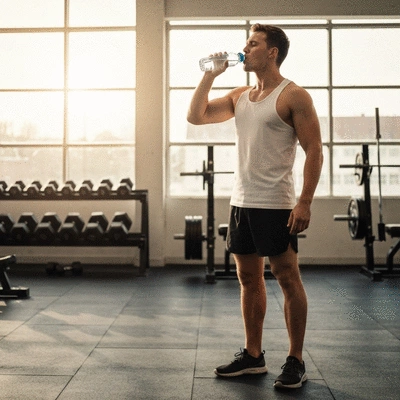
The Role of Water in Physical Activity
- Thermoregulation: Water helps to dissipate heat through sweat.
- Nutrient Transport: It carries nutrients to cells and removes waste products.
- Muscle Function: Hydration is crucial for optimal muscle contraction.
Understanding these functions highlights just how important it is to keep our water levels topped up before, during, and after any workout. The body loses water through sweat and breathing, and it is essential to replenish those stores for optimal function.
How Exercise Affects Hydration Needs
When we engage in physical activity, our body undergoes various physiological changes that increase our need for fluids. As you exercise, you start to sweat, which is your body's way of cooling itself down. This sweat loss can be significant, especially in hot or humid conditions. Did you know that losing as little as 2% of your body mass can impair your performance? This is a wake-up call for anyone who exercises regularly!
In light of these changes, it's important to actively monitor your hydration status. If you're feeling thirsty, that's already a sign that your body needs more fluids. By the time you feel thirsty, you may already be slightly dehydrated, so make it a habit to drink water throughout your workout!
Hydration and Temperature Regulation During Exercise
Staying hydrated is essential for maintaining body temperature, especially during exercise. When you're active, your body generates heat, and sweating is a natural response to help cool you down. However, without adequate hydration, your body temperature can rise, leading to decreased performance and even heat-related illnesses. The importance of this is further detailed in studies such as those published in Frontiers in Sports and Active Living, which emphasize the role of fluid intake in thermoregulation during physical activity.
Incorporating hydration strategies into your routine can significantly enhance your performance and safety during exercise. So, don’t underestimate the power of water! Make sure to drink enough fluids before, during, and after your workouts to keep your body in top shape.
The Impact of Dehydration on Performance
Physical Consequences of Exercise-Induced Dehydration
Dehydration can have serious consequences on your physical performance. When you don't drink enough fluids, you may experience increased heart rate, elevated core temperature, and heightened feelings of fatigue. Studies have shown that dehydration can lead to performance impairment of about 20-30% in athletes!
These statistics highlight the critical need for proper hydration strategies. Ignoring hydration can result in not just a dip in performance but also in your overall health.
Recognizing Signs of Dehydration During Exercise
It’s crucial to be aware of the signs of dehydration, so you can act quickly. Here’s a quick list of symptoms to watch out for during your workouts:
- Increased thirst
- Dry mouth and throat
- Dark urine
- Fatigue or dizziness
- Headache
Keeping an eye out for these symptoms can help you stay on top of your hydration status. One practical tip is to check the color of your urine: light yellow means you're well-hydrated, while dark yellow signals the need for more fluids.
Interactive Poll: Your Hydration Habits
How do you ensure you're staying hydrated during your workouts? Share your go-to hydration strategies with us!
Frequently Asked Questions About Hydration and Exercise
Why is hydration so critical during exercise?
Hydration is critical during exercise because water helps regulate body temperature, transport essential nutrients to cells, remove waste products, and support optimal muscle function. These roles are vital for maintaining peak performance and preventing fatigue.
How much body mass loss from sweat can impair performance?
Losing as little as 2% of your body mass through sweat can significantly impair exercise performance. This can lead to a performance decrease of 20-30% in athletes.
What are the key signs of dehydration to watch out for?
Key signs of dehydration include increased thirst, dry mouth and throat, dark urine, fatigue or dizziness, and headaches. Monitoring your urine color is a practical way to assess your hydration status.
How does exercise increase my hydration needs?
Exercise increases hydration needs primarily due to increased sweat loss as your body works to cool itself down. The intensity and duration of your workout, as well as environmental factors like heat and humidity, further influence how much fluid you need.
What are some effective hydration strategies for workouts?
Effective hydration strategies include keeping a water bottle handy for regular sipping, monitoring your urine color (aim for pale yellow), adjusting fluid intake based on climate and exercise type, and considering electrolyte replacement for endurance activities.
Summing Up the Importance of Hydration for Exercise
Hydration is a vital component of exercise that cannot be overlooked! Throughout this article, we've explored how water plays an essential role in supporting performance, regulating body temperature, and preventing dehydration. Remember, maintaining proper hydration not only enhances your physical capabilities but also plays a crucial role in overall health. It's fascinating how such a simple element can have a huge impact!
To recap, here are the key points we've discussed:
- Water is critical for thermoregulation, nutrient transport, and muscle function during physical activity.
- Exercise increases hydration needs, particularly due to sweating and body mass loss.
- Even a 2% loss in body mass can impair performance, highlighting the importance of regular fluid intake.
- Dehydration can lead to fatigue, elevated heart rate, and increased core temperature, significantly affecting exercise performance.
By understanding these factors, you can better appreciate the role hydration plays in your exercise routine and overall wellness. Now, let’s take a look at how you can put this knowledge into practice!
Taking Action: Personalizing Your Hydration Plan
Now that we've covered the importance of hydration, it’s time to take action! Each person's hydration needs are different, so it's important to assess your own based on factors like activity level, climate, and personal health. Here are some practical steps you can take to improve your hydration strategy:
- Keep a water bottle handy during workouts to encourage regular sipping.
- Monitor your urine color: a pale yellow color typically indicates good hydration.
- Adjust your fluid intake based on the temperature and humidity of your environment.
- Consider your exercise type—endurance activities may require more electrolytes compared to strength training.
Taking these steps empowers you to make informed decisions about your hydration. Remember, it’s not just about drinking water; it’s about finding what works best for you in your journey toward optimal health!
Additional Resources for Hydration Knowledge
To further support your hydration education, I've curated a list of valuable resources that can help you dive deeper into this important topic:
- Hydration Calculator - A tool to determine your daily fluid needs.
- Research Articles - Insights on hydration and exercise from reputable journals.
- CDC Hydration Tips - Guidelines and tips for healthy hydration practices.
By utilizing these resources, you can enhance your understanding of hydration and make well-informed choices. Remember, at Constipation Prevention, we believe that staying hydrated is a key step toward achieving optimal digestive health, so let’s keep our bodies fueled and ready for action!
Recap of Key Points
Here is a quick recap of the important points discussed in the article:
- Water is critical for thermoregulation, nutrient transport, and muscle function during physical activity.
- Exercise increases hydration needs, particularly due to sweating and body mass loss.
- Even a 2% loss in body mass can impair performance, highlighting the importance of regular fluid intake.
- Dehydration can lead to fatigue, elevated heart rate, and increased core temperature, significantly affecting exercise performance.