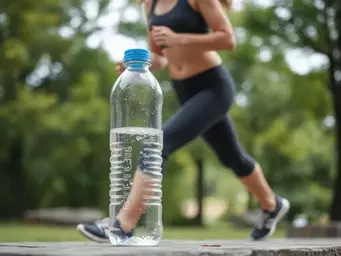

What if a simple change in your daily routine could significantly enhance your digestive health? Regular movement is not just beneficial for fitness; it plays a crucial role in preventing constipation and ensuring overall well-being. Discover how you can incorporate movement into your life for a healthier gut!
What You Will Learn
- Regular exercise boosts peristalsis, aiding in more effective waste movement through the digestive system.
- Types of beneficial activities include walking, yoga, and cycling, which support digestion and promote regular bowel movements.
- Core strengthening exercises, such as planks and bridges, enhance bowel function and support overall digestive health.
- Incorporating stretching and mobility exercises can improve flexibility, benefiting digestive organs for smoother functioning.
- A holistic approach to bowel health includes combining movement with proper nutrition and hydration for optimal digestive wellness.
The Digestive Health Triad: Movement, Nutrition, & Hydration
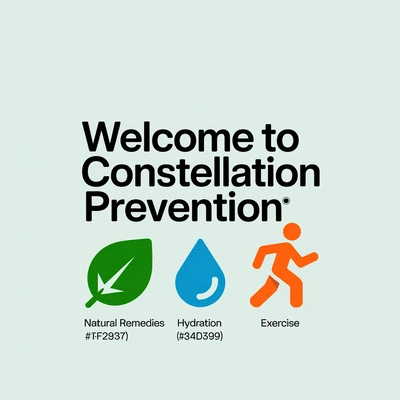
To achieve optimal digestive health and prevent constipation, a holistic approach focusing on these three interconnected pillars is essential.
Movement & Peristalsis
Stimulates intestinal muscles, enhancing waste movement and reducing transit time.
- Walking, Yoga, Cycling
- Core Strengthening Benefits
Nutrition & Fiber Intake
Fiber adds bulk to stool, crucial for smooth passage through intestines.
- Aim for 25-30g fiber daily
- Combine with regular movement
Hydration & Absorption
Adequate water intake ensures fiber works effectively and supports digestion.
- Drink ample water daily
- Supports fiber processing
Combined Impact
All three components work synergistically to prevent constipation and promote overall well-being.
- Reduced bloating & discomfort
- Improved overall digestive function
Understanding the Connection Between Daily Movement and Constipation Relief
Have you ever felt a little sluggish or uncomfortable after a long day of sitting? You're not alone! Many of us struggle with staying active, and this can lead to issues like constipation. At Constipation Prevention, I want to share how daily movement can play a vital role in boosting your bowel health and keeping you feeling your best!
In this section, we'll dive into why regular exercise is essential for digestive wellness, explore the types of activities that can help, and discuss how to create a movement habit that fits into your lifestyle.
Why Regular Exercise Matters for Bowel Health
Let’s start by discussing the importance of regular exercise for maintaining a healthy digestive system. Physical activity is not just about burning calories—it’s about keeping things moving in your gut too!
- Boosts Peristalsis: Exercise stimulates the muscles in your intestines, helping to move waste through your digestive system more effectively. Research highlights that physical activity significantly impacts bowel transit time, which is crucial for preventing constipation.
- Improves Digestion: Increased blood flow during physical activity enhances nutrient absorption and digestion.
- Reduces Stress: Regular movement can lower stress levels, which is crucial since stress can contribute to digestive issues.
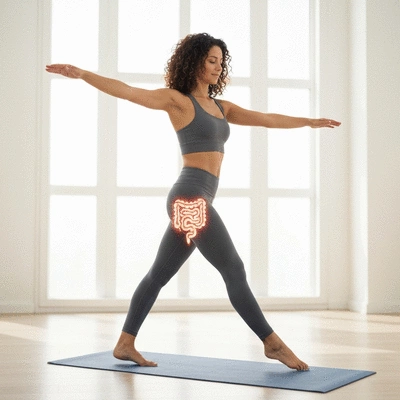
By incorporating regular exercise into your routine, you can significantly improve your bowel health and prevent constipation. Remember, even small changes can make a big difference!
Exploring the Role of Physical Activity in Preventing Constipation
When we talk about preventing constipation, it's essential to understand the role of physical activity. Engaging in any form of exercise helps to stimulate your digestive tract, which can lead to more regular bowel movements. The impact of regular exercise on gastrointestinal motility is well-documented, showing clear benefits for digestive health.
Furthermore, once you get moving, there’s a ripple effect—improved energy levels and better mood can encourage you to maintain a healthier lifestyle overall!
How Movement Affects Peristalsis and Intestinal Transit Time
Did you know that movement directly affects peristalsis? Peristalsis is the series of wave-like muscle contractions that moves food through your digestive tract. Regular physical activity helps to enhance these contractions, leading to quicker intestinal transit time.
When you exercise, the muscles in your gut are activated, making it easier for waste to pass through. This means that keeping active can result in less bloating and discomfort. So why not lace up those shoes and get moving?
Identifying the Types of Activities Beneficial for Digestion
Not all exercises are created equal when it comes to promoting digestive health. It’s important to choose activities that support your body and encourage movement in your gut! The Cancer Research UK website offers excellent insights into how diet, fluid, and exercise collectively contribute to preventing constipation.
- Walking: A simple yet effective way to get moving. Whether it’s a stroll around the block or a brisk hike, walking promotes digestion.
- Yoga: This gentle practice can help relieve tension in your body and improve circulation, aiding in digestion.
- Cycling: Whether on a stationary bike or outdoors, cycling can be a fun way to get your heart rate up and support your gut health.
Incorporating these activities into your daily routine can create a positive impact on your digestive health. And remember, it’s all about finding what you enjoy!
Low-Impact Exercises: Walking, Yoga, and Cycling
Starting with low-impact exercises is a great way to ease into a regular movement routine. Activities like walking, yoga, and cycling are gentle on your joints and can be easily integrated into your daily life.
These exercises not only keep you moving but also help to reduce stress, which is a common culprit behind digestive issues. So, find a local park, roll out your yoga mat, or jump on your bike—your gut will thank you!
Core Strengthening Techniques to Support Bowel Health
Building core strength is also key for your digestive health. Strong core muscles can help support proper posture and coordination, which is important for effective bowel function.
- Planks: A great way to engage your core without straining your back.
- Bridges: This exercise strengthens your glutes and helps stabilize your core.
- Abdominal Crunches: Done correctly, these can keep your abdominal muscles strong and supportive.
By focusing on core strengthening, you're not only enhancing your physical appearance but also promoting better bowel health!
Incorporating Stretching and Mobility Exercises for Flexibility
Alongside your regular exercises, incorporating stretching and mobility routines can significantly improve flexibility. This can be beneficial for your digestive organs, ensuring that everything moves smoothly.
Simple stretches can be done at home or even at your desk, and they help to alleviate tension and promote relaxation. Try to set aside a few minutes each day for stretching—your body will feel more open and ready to tackle the day!
Creating a Sustainable Daily Movement Habit
As we wrap up this section, let’s talk about how to create a daily movement habit that works for you. Finding a routine can seem daunting, but it can be a fun and rewarding journey!
In this next part, I’ll share tips on how to build a consistent workout routine that you’ll genuinely enjoy!
Pro Tip
Did you know? Incorporating just 20-30 minutes of movement into your daily routine can significantly enhance your digestive health. Choose activities you love, such as dancing, hiking, or even gardening, to make it enjoyable and sustainable!
Recapping the Benefits of Daily Movement for Long-Term Constipation Prevention
As we wrap up our discussion on daily movement, it's essential to reflect on the multifaceted advantages it offers for preventing constipation. Regular physical activity is not just about burning calories; it plays a pivotal role in enhancing our bowel health. From improving intestinal transit time to boosting overall digestive function, movement is a cornerstone of a healthy lifestyle.
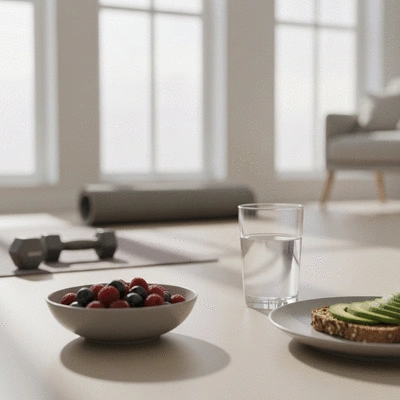
To truly benefit from the connection between movement and digestive health, we must adopt a holistic approach. This means integrating exercise with sound nutrition and adequate hydration. By doing so, we create a balanced lifestyle that supports our digestive system and empowers our bodies.
Emphasizing a Holistic Approach to Bowel Health
When considering bowel health, it’s vital to recognize the importance of intertwining movement, nutrition, and hydration. Each component plays a significant role and complements the others in fostering optimal digestive function.
- Combine Movement with Nutrition: Engaging in regular exercise enhances the effectiveness of a fiber-rich diet.
- Stay Hydrated: Drinking enough water supports digestion and works in tandem with fiber to prevent constipation.
- Mind Your Meals: Eating smaller, more frequent meals can also help keep your digestive system on track.
Furthermore, it’s important to understand that adequate fiber intake is crucial for digestive health. Fiber adds bulk to the stool, helping it move smoothly through the intestines. Pairing this with sufficient hydration ensures that your body can process the fiber effectively, preventing the discomfort of constipation.
Creating a Balanced Lifestyle: Beyond Just Exercise
Embracing a balanced lifestyle goes beyond just incorporating exercise into our routines. It requires a commitment to making informed choices regarding our diet and hydration as well. By focusing on all aspects of health, we can create a more sustainable approach to preventing constipation.
Understanding the Role of Fiber Intake and Hydration in Digestive Health
At Constipation Prevention, we emphasize the importance of fiber and hydration in our content. Just as I often mention in my articles, striving for at least 25-30 grams of fiber each day, alongside ample water intake, can make a world of difference for your digestive system. Remember, every small change in your routine contributes to your overall health.
Taking Action: Your Next Steps to Improve Bowel Health
Now that we've highlighted the benefits of daily movement and its role in preventing constipation, let's discuss how you can take action! Making improvements in your bowel health doesn't have to feel overwhelming. Start with simple, actionable steps you can incorporate into your daily life.
How to Start Small: Simple Movement Ideas to Incorporate Today
- Take a brisk walk during your lunch break.
- Incorporate stretching exercises into your morning routine.
- Try gentle yoga poses to promote relaxation and digestion.
Even these small adjustments can help set the foundation for a more active lifestyle, leading to better digestive health in the long run!
Encouraging Community and Resources for Ongoing Support
Don't forget that you're not alone on this journey! Engaging with a community can provide you with ongoing support and motivation. At Constipation Prevention, we offer resources that encourage healthy habits. Whether it’s exploring our articles or joining local fitness groups, surround yourself with support!
Taking these steps today can lead you toward a brighter tomorrow filled with improved digestive health! Remember, it’s all about making gradual shifts that align with your lifestyle. I'm here to guide you every step of the way!
Frequently Asked Questions (FAQs)
- Q: How does regular movement help prevent constipation?
- A: Regular movement stimulates peristalsis, which are the wave-like muscle contractions that move waste through your digestive tract. This helps reduce intestinal transit time and promotes more regular bowel movements.
- Q: What types of exercises are best for digestive health?
- A: Low-impact exercises such as walking, yoga, and cycling are highly beneficial. Core-strengthening exercises like planks and bridges also support proper bowel function, and stretching can improve overall flexibility for digestive organs.
- Q: How much exercise is recommended daily for digestive benefits?
- A: Incorporating just 20-30 minutes of movement into your daily routine can significantly enhance your digestive health. Consistency is more important than intensity.
- Q: Is exercise alone enough to prevent constipation?
- A: While exercise is crucial, a holistic approach is most effective. This includes combining regular movement with proper nutrition (especially adequate fiber intake) and sufficient hydration.
- Q: What is the role of fiber and hydration in conjunction with movement?
- A: Fiber adds bulk to stool, making it easier to pass, and adequate water intake ensures that fiber works effectively. Both are essential for smooth digestion and complement the benefits of physical activity in preventing constipation.
Recap of Key Points
Here is a quick recap of the important points discussed in the article:
- Importance of Regular Exercise: Regular physical activity boosts peristalsis, improves digestion, and reduces stress, all of which are essential for bowel health.
- Types of Beneficial Activities: Incorporating activities like walking, yoga, and cycling can enhance digestive health and prevent constipation.
- Core Strengthening: Exercises such as planks and bridges support proper posture and coordination, aiding bowel function.
- Holistic Approach: Combining movement with a fiber-rich diet and adequate hydration is vital for optimal digestive health.
- Small Steps Matter: Simple changes like taking brisk walks or incorporating stretching can lead to significant improvements in bowel health.