

How often do we consider the hidden consequences of something as common as antibiotics? These powerful medications, while crucial for fighting infections, can silently upend our gut health. Understanding their impact is essential for maintaining overall wellbeing.
What You Will Learn
- Antibiotics disrupt the gut microbiome by killing both harmful and beneficial bacteria, potentially leading to long-term health issues.
- A compromised microbiome increases the risk of secondary infections and can take months or years to fully recover after antibiotic treatment.
- Signs of antibiotic-associated diarrhea include frequent loose stools; seek medical advice if symptoms persist.
- Maintaining a balanced diet rich in diverse fruits, vegetables, whole grains, healthy fats, and lean proteins can support gut health post-recovery.
- Probiotics and synbiotics can help restore gut balance; consult healthcare professionals for strain recommendations.
Impact of Antibiotics on Gut Health: Disruption and Recovery
This visual illustrates the immediate and long-term effects of antibiotic use on the gut microbiome, highlighting key areas of disruption and strategies for recovery.
Antibiotics: Initial Disruption
Target: Kills harmful bacteria.
Side Effect: Also eliminates beneficial gut bacteria.
Outcome: Gut microbiome imbalance, leading to potential issues like antibiotic-associated diarrhea.
Consequences of Imbalance
- • Digestive Disorders (IBS)
- • Weakened Immune Response
- • Chronic Inflammation
- • Secondary Infections (e.g., C. diff)
Recovery: Dietary Strategies
- + Diverse Fruits & Vegetables
- + Whole Grains (Fiber)
- + Healthy Fats
- + Lean Proteins
Supplements for Support
- ★ Probiotics: Beneficial bacteria
- ★ Synbiotics: Probiotics + Prebiotics
- ★ Key Strains: L. rhamnosus, B. longum, L. acidophilus
Understanding the Impact of Antibiotics on Gut Health
Have you ever wondered how antibiotics affect your gut health? It's a crucial topic that often gets overlooked. Antibiotics are essential for treating infections, but they can also disrupt the delicate balance of our gut microbiome, which plays a vital role in our overall health. Let's dive deeper into this relationship and understand the impacts.
When we take antibiotics, they kill not only the harmful bacteria causing an infection but also many beneficial bacteria in our gut. This disruption can lead to an imbalance that affects everything from digestion to immune function. It's important to recognize these effects early on to mitigate long-term consequences.
How Antibiotics Disrupt the Microbiome
The human gut is home to trillions of microorganisms that aid digestion, boost the immune system, and even influence our mood. However, antibiotics can significantly alter this ecosystem. By wiping out both harmful and helpful bacteria, they create an environment where harmful bacteria can thrive.
- Reduction of Beneficial Bacteria: Antibiotics can decrease the population of healthy gut bacteria, making it harder for our body to fight off unwanted pathogens.
- Increased Risk of Secondary Infections: With a compromised microbiome, conditions like yeast infections or Clostridium difficile (C. diff) can arise.
- Long-Term Changes: Some studies suggest that the gut microbiome can take months or even years to fully recover after antibiotic treatment, as detailed in this review on antibiotic impact on gut microbiota.
Understanding these disruptions is crucial for anyone who has recently taken antibiotics. By knowing the risks, we can start to think about how to support our gut health during recovery.
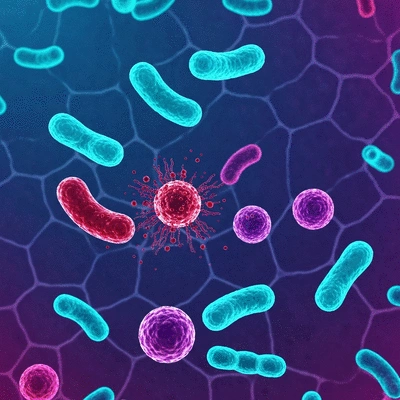
The Consequences of Gut Imbalance
When our gut microbiome is out of balance, it can lead to a variety of health issues. For instance, many people experience digestive problems such as bloating, gas, and irregular bowel movements. But the implications extend far beyond that!
- Digestive Disorders: A disrupted microbiome can increase the risk of conditions like irritable bowel syndrome (IBS).
- Weakened Immune Response: A healthy gut microbiome supports immune function; without it, we may become more susceptible to infections.
- Chronic Inflammation: Gut imbalances can promote inflammation, potentially leading to chronic diseases.
These consequences highlight how essential it is to prioritize gut health, especially after a course of antibiotics. Thankfully, there are ways to rebuild and restore balance, which we'll discuss further in this article!
Recognizing Antibiotic-Associated Diarrhea
One of the most common side effects of antibiotics is antibiotic-associated diarrhea. It occurs when the balance of bacteria in the gut is disrupted, leading to changes in bowel habits. It's crucial to recognize this condition and understand its implications.
- Signs to Watch For: Frequent loose stools or urgency to go can indicate antibiotic-associated diarrhea.
- When to Seek Help: If diarrhea persists for more than two days or is accompanied by fever or blood, it's essential to consult a healthcare professional.
- Prevention Tips: Incorporating probiotics during and after antibiotic treatment can help maintain gut balance and reduce symptoms, a practice supported by further information on microbiome and gut health.
Recognizing these signs allows you to take proactive steps in managing your gut health. Remember, the journey to recovery starts with awareness!
Did You Know?
According to recent studies, nearly 30% of patients experience antibiotic-associated diarrhea after taking antibiotics. This emphasizes the importance of being proactive about gut health during and after antibiotic treatment.
Frequently Asked Questions About Antibiotics and Gut Health
How do antibiotics affect the gut microbiome?
Antibiotics disrupt the gut microbiome by killing both harmful bacteria, which they target, and many beneficial bacteria. This can lead to an imbalance, reducing the diversity and population of healthy gut flora.
What are the common consequences of gut imbalance after antibiotic use?
Common consequences include digestive issues like bloating, gas, and irregular bowel movements, an increased risk of secondary infections (e.g., C. diff, yeast infections), a weakened immune response, and potential chronic inflammation.
How long does it take for the gut microbiome to recover after antibiotics?
The recovery time can vary significantly, often taking months or even years for the gut microbiome to fully restore its balance and diversity after antibiotic treatment, as supported by research from PubMed Central.
What is antibiotic-associated diarrhea (AAD) and when should I seek medical help?
AAD is characterized by frequent loose stools or an urgency to use the bathroom, typically caused by the disruption of gut bacteria. You should seek medical advice if diarrhea persists for more than two days, or if it is accompanied by fever or blood in the stool.
What dietary strategies can help restore gut health after antibiotics?
Maintaining a balanced diet rich in diverse fruits and vegetables, whole grains (for fiber), healthy fats (like avocados and olive oil), and lean proteins can help support gut health and aid in recovery. Incorporating fermented foods can also be beneficial.
Are probiotics and synbiotics beneficial, and how do I choose the right ones?
Yes, probiotics (beneficial bacteria) and synbiotics (probiotics combined with prebiotics) can help restore gut balance. Look for supplements with targeted strains like Lactobacillus rhamnosus, Bifidobacterium longum, and Lactobacillus acidophilus. It’s advisable to consult a healthcare professional for personalized recommendations and to ensure you choose quality, third-party tested products.
Long-Term Strategies for Sustaining Gut Health
After completing your recovery plan, it’s important to consider how to sustain your gut health long-term. As someone who has spent years educating individuals about digestive wellness, I’ve seen firsthand how consistent habits can lead to lasting improvements. Here are some strategies to keep your gut thriving!
Maintaining a Balanced Diet Post-Recovery
Once you've regained your gut health, maintaining a balanced diet is crucial. This means continuing to consume a variety of foods that support your microbiome. Here are some key components to include:
- Diverse Fruits and Vegetables: Aim for a rainbow of colors to ensure a wide range of nutrients.
- Whole Grains: Foods like quinoa, brown rice, and oats are fantastic for fiber.
- Healthy Fats: Incorporate sources like avocados, nuts, and olive oil.
- Lean Proteins: Consider fish, poultry, beans, and legumes to support overall health.
By focusing on these food groups, you can help maintain a balanced gut environment. Remember, consistency is key! Making it a habit to include these foods in your meals can greatly benefit your digestive health.

Exploring Gut Health Supplements: Probiotics and Synbiotics
With so many supplements available, it's wise to explore your options. Probiotics and synbiotics can offer extra support for your gut health. Probiotics are beneficial bacteria that help restore gut balance, while synbiotics combine probiotics with prebiotics, enhancing their effects. Here’s what to consider:
- Targeted Strains: Different probiotic strains serve unique functions. Research which strains align with your health goals, as discussed in this article on microbial strains for gut health.
- Quality Matters: Look for supplements that are third-party tested for potency and purity.
- Consultation: Consider speaking with a healthcare professional before starting any new supplement.
Incorporating these supplements can be a beneficial addition to your daily routine, helping to keep your gut balanced and healthy.
Supplementing Wisely: Choosing the Right Probiotic Strains
When it comes to choosing probiotics, understanding which strains are beneficial for you is essential. Here are some popular probiotic strains and their benefits:
- Lactobacillus rhamnosus: Great for overall gut health and potential immunity support.
- Bifidobacterium longum: Known for aiding digestion and maintaining gut barrier integrity.
- Lactobacillus acidophilus: Helps with lactose digestion and may reduce abdominal discomfort.
As you consider incorporating these strains, remember to pay attention to how your body responds. Regular feedback from your digestive health journey can guide your choices effectively!
Recap of Key Points
Here is a quick recap of the important points discussed in the article:
- Antibiotics and Gut Health: Antibiotics can disrupt the balance of the gut microbiome by killing both harmful and beneficial bacteria.
- Consequences of Gut Imbalance: An imbalanced gut can lead to digestive disorders, weakened immune responses, and chronic inflammation.
- Recognizing Antibiotic-Associated Diarrhea: Be aware of symptoms like frequent loose stools and seek help if diarrhea persists.
- Long-Term Gut Health Strategies: Maintain a balanced diet rich in fruits, vegetables, whole grains, and consider probiotics for gut support.
- Choosing Probiotic Strains Wisely: Research targeted probiotic strains and consult healthcare professionals before starting new supplements.