Did you know that incorporating fiber into your diet can significantly enhance your digestive health? Understanding the role of fiber can empower you to make informed decisions about your nutrition, leading to improved well-being. Let's explore the key insights about fiber and its impact on digestion.
What You Will Learn
- Dietary fiber is classified into two types: soluble, which helps lower cholesterol, and insoluble, which aids digestion.
- A balanced intake of both soluble and insoluble fiber is crucial for optimal digestive health.
- Fiber significantly prevents constipation by adding bulk to stools and promoting regular bowel movements.
- High-fiber diets are linked to a reduced risk of colorectal cancer and can improve overall gut health.
- Gradually increase fiber intake while staying hydrated to avoid discomfort, and enjoy a wide variety of fiber-rich foods.
Fiber's Crucial Role: Soluble vs. Insoluble & Key Benefits
Understanding the two main types of dietary fiber and their specific benefits is fundamental for optimal digestive health. This visual highlights their distinct characteristics and the collective advantages they offer for preventing constipation and promoting overall well-being.
Understanding Fiber and Its Role in Digestive Health
When it comes to maintaining optimal digestive health, understanding fiber is crucial! Fiber isn't just a buzzword; it's an essential component of our diets that can make a significant difference in how our bodies function. At Constipation Prevention, we emphasize the importance of fiber in preventing constipation and promoting overall wellness. So, let’s dive into the nitty-gritty of fiber and its role in our digestive health!
Defining Dietary Fiber: Soluble vs. Insoluble
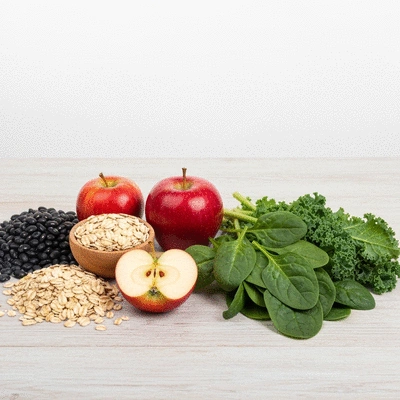
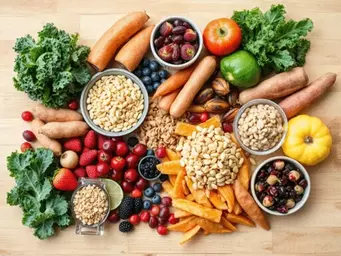
Dietary fiber comes in two main types: soluble and insoluble. Soluble fiber dissolves in water and forms a gel-like substance in the digestive tract. This type of fiber can help lower cholesterol and stabilize blood sugar levels. Foods rich in soluble fiber include oats, beans, and citrus fruits. For more detailed insights into the different types of fiber and their benefits, you can refer to resources from the Mayo Clinic on fiber.
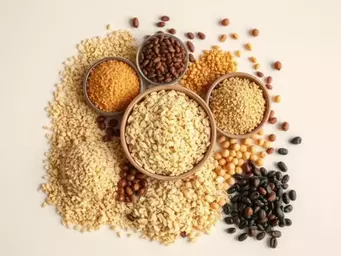
On the other hand, insoluble fiber does not dissolve in water. It adds bulk to your stool and helps food pass more quickly through the digestive system. Whole grains, nuts, and vegetables like broccoli are great sources of insoluble fiber. Having a balance of both types is key to supporting your digestive health!
- Soluble Fiber: Oats, beans, apples, and citrus fruits.
- Insoluble Fiber: Whole grains, nuts, and leafy greens.
- Benefits: Lower cholesterol, stable blood sugar, and smoother digestion.
The Importance of Fiber in Preventing Constipation
Fiber plays a vital role in preventing constipation by adding bulk to your stool and facilitating regular bowel movements. Many individuals struggle with constipation, and fiber can be a game-changer! By incorporating sufficient fiber into your diet, you're setting yourself up for success in maintaining a healthy digestive system. The Dietary Guidelines for Americans emphasize the importance of dietary fiber for overall health, including digestive regularity.
Additionally, fiber helps to keep your gut microbiota balanced, which is essential for overall health. A well-functioning digestive system not only aids in preventing constipation but also enhances nutrient absorption. This means that more of the good stuff you eat is actually being utilized by your body!
The Connection Between Fiber and Colon Health
The connection between fiber intake and colon health is well-documented. High-fiber diets have been linked to a reduced risk of colorectal cancer. By keeping your digestive tract clean and moving, fiber helps to prevent the formation of polyps or other harmful changes in the colon. This is just one of the many reasons I advocate for a fiber-rich diet at Constipation Prevention!
Incorporating fiber into your daily meals can be delicious and satisfying. Whether it’s through a hearty bowl of oatmeal for breakfast or a colorful salad for lunch, every little bit counts. Remember, your gut health is a reflection of your overall health! For practical tips on how to incorporate more fiber into your diet, the CDC offers healthy eating tips that can guide you.
I couldn't find a specific video titled "How to Create a High-Fiber Meal Plan to Prevent Constipation." However, a video that discusses dietary fiber and constipation management effectively is "Dietary Fiber for Constipation | Gastroenterology - The Corvallis Clinic" by Dr. Chun. Here is the embed code for that video:
Pro Tip
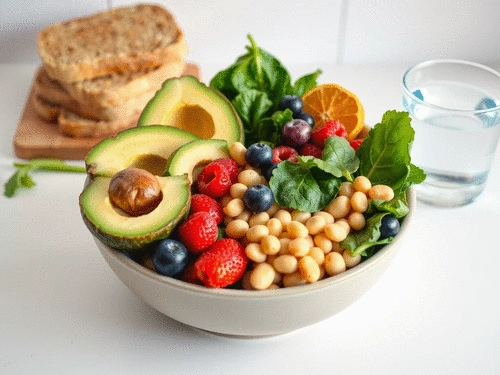
To maximize the benefits of fiber, aim to incorporate a variety of fiber-rich foods into your meals. For example, try mixing different sources such as beans, fruits, and whole grains in your diet. This not only helps in preventing constipation but also keeps your meals interesting and nutritious!
Frequently Asked Questions About Fiber and Digestive Health
What are the two main types of dietary fiber?
The two main types of dietary fiber are soluble and insoluble. Soluble fiber dissolves in water, forming a gel, while insoluble fiber does not, adding bulk to stool.
How does fiber help prevent constipation?
Fiber prevents constipation by adding bulk to your stool and facilitating regular bowel movements, making elimination easier and more consistent.
What foods are good sources of soluble fiber?
Foods rich in soluble fiber include oats, beans, apples, and citrus fruits.
What foods are good sources of insoluble fiber?
Great sources of insoluble fiber include whole grains, nuts, and leafy greens.
Is there a connection between fiber intake and colon health?
Yes, high-fiber diets are linked to a reduced risk of colorectal cancer and support overall colon health by keeping the digestive tract clean and moving.
What is the 'Pro Tip' for maximizing fiber benefits?
The Pro Tip suggests incorporating a variety of fiber-rich foods into your meals, such as mixing beans, fruits, and whole grains, to prevent constipation and make meals nutritious and interesting.
Wrapping Up: Making High-Fiber Eating a Lifestyle
As we conclude our discussion on the importance of fiber, it's essential to recognize that making high-fiber eating a lifestyle can significantly impact your digestive health and overall well-being. Every small change you make in your diet can lead to substantial improvements in your health, particularly when it comes to preventing constipation.
Remember, the goal is not just to consume enough fiber but to integrate it seamlessly into your daily routine. This might mean planning your meals around fiber-rich foods or exploring new recipes that excite your palate. The journey to digestive wellness through fiber is not just a task—it's an opportunity to embrace a healthier lifestyle!
Key Takeaways for Your High-Fiber Journey
- Prioritize a mix of soluble and insoluble fiber for balanced digestive health.
- Gradually increase your fiber intake to minimize discomfort.
- Stay hydrated by drinking plenty of water, especially as you boost fiber consumption.
- Incorporate a variety of fiber-rich foods into your meals to keep things interesting.
- Consider meal prepping to ensure you always have healthy, high-fiber options available.
As a health and wellness educator at Constipation Prevention, I encourage you to take these key points to heart and implement them into your daily habits. It’s all about creating a sustainable approach to nutrition that suits your lifestyle!
Encouragement to Start Your Own High-Fiber Meal Plan
If you haven't already, now is the perfect time to start your own high-fiber meal plan. It doesn’t have to be complicated! Begin by choosing just a few fiber-rich foods to include in your grocery list this week. Maybe add some berries to your breakfast or swap out white rice for brown rice at dinner. Every choice counts!
Remember, the goal is to cultivate habits that you can maintain in the long run. Celebrate the small victories along the way, and don't hesitate to share your journey with others. You might inspire someone else to prioritize their digestive health too!
Engaging with Your Health: Resources and Tools
Interactive Meal Planner: Tailoring Your High-Fiber Approach
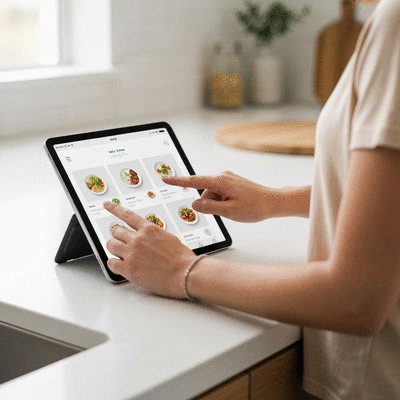
To enhance your experience as you embark on this high-fiber journey, our website offers an interactive meal planner. This tool allows you to customize your meal plans by selecting foods you enjoy while ensuring you're hitting your daily fiber goals. It's a fun and effective way to stay on track!
Further Reading and Support from Health Professionals
For those looking to dive deeper, I recommend exploring additional resources available on Constipation Prevention. Our site features articles reviewed by health professionals, providing you with evidence-based information to support your digestive health journey. Remember, it's always a good idea to consult with a healthcare provider when making significant dietary changes.
Exploring Fiber Supplements: Do They Work?
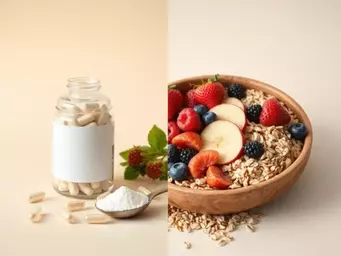
Fiber supplements can be a great addition for some individuals; however, it's essential to approach them with caution. While they can aid in meeting your fiber needs, they should not replace whole foods. If you’re considering fiber supplements, I suggest discussing this option with your healthcare provider to ensure it aligns with your health goals.
Recap of Key Points
Here is a quick recap of the important points discussed in the article:
- Incorporate both soluble and insoluble fiber into your diet for optimal digestive health.
- Gradually increase fiber intake to avoid discomfort and promote regularity.
- Stay well-hydrated, as water intake is essential when consuming more fiber.
- Explore a variety of fiber-rich foods to keep meals interesting and enjoyable.
- Consider meal prepping to ensure you have healthy, high-fiber options readily available.