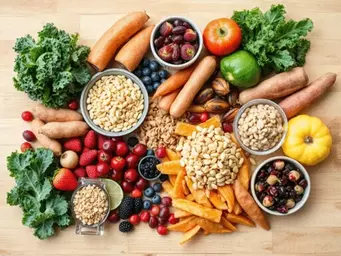

Probiotics and prebiotics play crucial roles in enhancing digestive health, but do you know how they differ and work together? Understanding their functions can significantly improve your gut's well-being and help prevent issues like constipation. Dive in to learn how to harness these powerful components for a healthier you!
What You Will Learn
- Probiotics are live beneficial bacteria essential for gut health.
- Prebiotics are fibers that feed these good bacteria, promoting their growth.
- Both probiotics and prebiotics are vital for optimal digestion and can alleviate constipation.
- Incorporating a variety of fermented and fiber-rich foods can maximize their health benefits.
- Staying hydrated and engaging in regular exercise significantly supports gut motility and overall health.
- Tracking your dietary habits can provide insights into what works best for your digestive health.
Probiotics vs. Prebiotics: Key Differences and Benefits
This visual highlights the essential distinctions and combined benefits of probiotics and prebiotics for supporting optimal gut health.
Probiotics: Live Microorganisms
Beneficial bacteria that add to your gut flora.
- ✓ Function: Add beneficial bacteria
- ✓ Sources: Fermented foods (yogurt, kefir)
Prebiotics: Fiber for Gut Bacteria
Non-digestible fibers that feed good bacteria.
- ✓ Function: Feed beneficial bacteria
- ✓ Sources: Fiber-rich foods (onions, garlic)
Combined Impact on Gut Health
- Balance Gut Microbiome
- Reduce Inflammation
- Enhance Nutrient Absorption
- Improve Digestion & Regularity
- Prevent Constipation
Understanding the Role of Probiotics and Prebiotics in Supporting Gut Health
When it comes to digestive wellness, the terms probiotics and prebiotics often come up. But what do they really mean? In simple terms, probiotics are live bacteria that are beneficial for your gut health, while prebiotics are types of fiber that feed these good bacteria. At Constipation Prevention, I'm passionate about helping you understand how these components work together to support a healthy digestive system!
By incorporating both probiotics and prebiotics into your daily routine, you can create an environment in your gut that promotes regularity and overall well-being. Let's explore their definitions further!
Defining Probiotics and Prebiotics: What You Need to Know
- Probiotics: Live microorganisms that provide health benefits when consumed in adequate amounts.
- Prebiotics: Non-digestible food ingredients that stimulate the growth of beneficial bacteria in the gut.
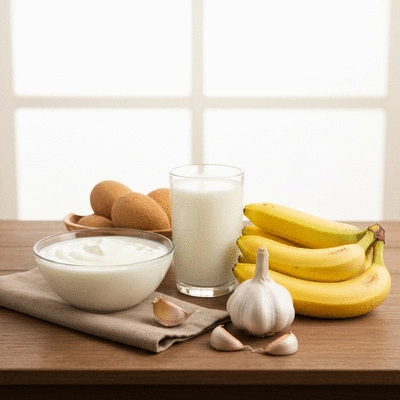
Understanding these definitions is crucial for anyone looking to enhance their digestive health. Probiotics can be found in foods like yogurt and kefir, while prebiotics are abundant in foods such as bananas, onions, and garlic. By incorporating both into your diet, you can help create a balanced gut flora.
Key Differences: Probiotics vs. Prebiotics
While they work hand-in-hand, it's essential to recognize their key differences:
- Function: Probiotics add beneficial bacteria to your gut, while prebiotics provide the food for these bacteria.
- Sources: Probiotics are found in fermented foods, whereas prebiotics are typically found in fiber-rich foods.
By understanding these differences, you can make informed dietary choices that support your digestive health journey.
How They Contribute to Gut Health
Both probiotics and prebiotics play a vital role in maintaining a healthy gut. They help balance your gut microbiome, reduce inflammation, and enhance nutrient absorption. For instance, consuming a mix of these can lead to improved digestion, preventing that uncomfortable feeling of constipation that many of us experience. Research published in Frontiers in Nutrition further supports the benefits of probiotics in managing gastrointestinal issues.
At Constipation Prevention, I often emphasize that fostering a healthy gut environment is key to achieving long-term wellness. The more we understand about probiotics and prebiotics, the better equipped we are to take charge of our digestive health!
The Importance of Gut Flora and the Microbiome
Your gut flora, or microbiome, comprises trillions of microorganisms that play a pivotal role in your health. A balanced microbiome can aid in digestion, immune function, and even mood regulation! Including both probiotics and prebiotics in your diet helps support this community of beneficial bacteria. This intricate relationship is further explored in studies on gut microbiota and health.
When your gut flora is in balance, you’re more likely to experience regular bowel movements and less digestive discomfort. This is why I encourage my readers to take proactive steps in managing their gut health through informed choices.
The Science Behind Probiotics and Their Impact on Constipation
Now that we understand the basics, let’s delve into the science behind how probiotics can specifically impact constipation. The mechanisms at play are fascinating and can provide you with insights into how to improve your digestive health.
Interactive Poll: Your Thoughts on Probiotics and Prebiotics
We want to hear from you! How do you currently incorporate probiotics and prebiotics into your diet? Share your approach with us:
Frequently Asked Questions (FAQs)
- What are probiotics?
- Probiotics are live beneficial bacteria that, when consumed in adequate amounts, provide health benefits, particularly to the gut.
- What are prebiotics?
- Prebiotics are non-digestible fibers that act as food for the beneficial bacteria in your gut, helping them grow and thrive.
- How do probiotics and prebiotics differ?
- Probiotics introduce new beneficial bacteria to your gut, while prebiotics nourish the existing good bacteria. They work synergistically for optimal gut health.
- Can probiotics help with constipation?
- Yes, probiotics can help alleviate constipation by improving gut motility, balancing the gut microbiome, and enhancing digestion.
- What are common sources of probiotics?
- Common sources include fermented foods like yogurt, kefir, sauerkraut, kimchi, and tempeh.
- What are common sources of prebiotics?
- Prebiotics are found in fiber-rich foods such as onions, garlic, bananas, asparagus, whole grains, and chicory root.
- Why is a balanced gut microbiome important?
- A balanced gut microbiome is crucial for proper digestion, immune system function, nutrient absorption, and even mood regulation.
- How can I incorporate probiotics and prebiotics into my diet?
- You can incorporate them by consuming a variety of fermented foods (for probiotics) and fiber-rich foods (for prebiotics) regularly. Consider supplements if dietary intake is insufficient, after consulting a healthcare professional.
Summarizing the Benefits of Probiotics and Prebiotics for Gut Health
As we wrap up our discussion on probiotics and prebiotics, it’s essential to highlight their significant benefits for gut health. These two components work together to enhance our digestive systems, making it easier to maintain regularity and overall wellness. Understanding how to effectively integrate them into our daily lives can lead to long-lasting improvements in digestive function!
To manage your gut health effectively, I encourage you to consider the following key takeaways:
- Probiotics help restore and maintain a healthy balance of gut bacteria.
- Prebiotics serve as food for probiotics, promoting their growth and activity.
- Both are essential for optimal digestion and can alleviate issues like constipation.
- Incorporating a variety of fermented and fiber-rich foods can maximize their effects.
Key Takeaways for Everyday Gut Health Management
Combining probiotics with healthy lifestyle choices is a foundational step in enhancing your gut health. It’s not just about taking a supplement; it’s about creating an environment where your gut flora can thrive. Pairing these beneficial bacteria with nutritious foods, staying hydrated, and exercising regularly can amplify their positive impacts!
Here are some important habits to consider:
- Drink plenty of water—staying hydrated supports digestion and helps prevent constipation.
- Engage in regular physical activity to stimulate gut motility and improve overall health.
- Focus on a balanced diet rich in fruits, vegetables, whole grains, and healthy fats.
- Be mindful of stress management, as stress can negatively affect gut health.
Combining Probiotics with Healthy Lifestyle Choices
Integrating probiotics into your daily routine can be as simple as enjoying a serving of yogurt or adding a scoop of kefir to your smoothie. These small changes can lead to significant improvements in your digestive health over time. Remember, consistency is key!
Moreover, a healthy diet supports the effectiveness of probiotics. For instance, consuming fiber-rich prebiotic foods, such as onions and garlic, provides the necessary fuel for those beneficial bacteria to flourish. The combination of these elements creates a robust digestive system where constipation becomes less of a concern. For more detailed information on dietary interventions for gut health, refer to resources from PMC NCBI.

Emphasizing the Importance of Hydration and Regular Exercise
It's crucial to emphasize the importance of hydration and exercise in your gut health journey. Hydration not only supports digestion but also helps to soften stools, making it easier to pass. Are you drinking enough water each day? A good target is at least eight 8-ounce glasses, but you may need more if you’re active or live in a warmer climate.
Regular exercise, whether it’s a brisk walk, yoga, or dancing, can have a profound effect on your gut motility. Moving your body not only boosts your mood but also stimulates digestion, helping to keep everything running smoothly!
The Role of a Healthy Diet in Supporting Digestive Health
A healthy diet rich in nutrients is your best ally in achieving optimal digestive health. Focus on incorporating a variety of whole foods that are both nutritious and satisfying. This includes fruits, vegetables, whole grains, nuts, and seeds. Not only will these foods provide necessary vitamins and minerals, but they'll also offer soluble and insoluble fiber, which is vital for keeping your digestive system in check.
By embracing a wholesome diet, staying hydrated, and maintaining regular physical activity, you are setting the stage for a healthy gut. At Constipation Prevention, we're here to support you every step of the way as you build these essential habits for a healthier, happier you!
Next Steps: Personalizing Your Gut Health Journey
Now that you have a solid understanding of how to support your gut health with probiotics and prebiotics, it’s time to take action! Personalizing your gut health journey can lead to even greater benefits. Here are some practical steps to consider:
- Track your progress using a food journal or health app.
- Identify foods that work well for you and those that may cause discomfort.
- Consult a professional if you have specific digestive concerns or conditions.
Tracking Your Progress: Tips for Monitoring Your Gut Health
Using food journals and mobile apps can offer valuable insights into your diet and its effects on your gut health. By keeping track of what you eat and how you feel, you can identify patterns and make adjustments as needed. This practice not only promotes accountability but also helps you stay motivated on your journey!
Additionally, monitoring your symptoms can guide you in understanding which foods are most beneficial for your digestion. Don't hesitate to jot down notes about your daily meals, hydration levels, and any digestive discomforts you experience.
Using Food Journals and Apps for Better Insights
Apps like MyFitnessPal or Cronometer can be incredibly helpful for tracking your food intake and nutrient levels. They allow you to see how well you’re incorporating probiotic and prebiotic foods into your diet. Over time, you’ll gain a clearer picture of your eating habits and their impact on your digestive health!
Remember, everyone’s digestive system is unique, so what works for one person might not work for another. It’s all about finding the right balance for you.
When to Reach Out for Professional Guidance
If you notice persistent digestive issues or if you're unsure about the right approach to take, I encourage you to reach out for professional guidance. A registered dietitian or healthcare provider can provide personalized advice tailored to your specific needs and help you navigate any challenges you may face.
Don't hesitate to seek help—your gut health is vital to your overall well-being!
Encouraging Healthy Habits: A Call to Action
Are you ready to start your journey to better gut health? It’s time to take those first steps! Incorporating probiotics and prebiotics into your diet is just the beginning. Embrace the journey toward a healthier digestive system by making small, sustainable changes to your lifestyle.
Engaging with your community can also make a difference. Share your experiences, seek support, and learn from others who are on a similar path. Together, we can cultivate healthier habits and inspire one another to achieve optimal gut health!
Start Your Journey to Better Gut Health Today
Every small step counts, so don’t wait! Begin today by incorporating more fermented foods and fiber-rich options into your meals. As you progress, remember to listen to your body and adjust your habits accordingly. Your gut will thank you!
Engage with Your Community: Share Your Experiences
Finally, I invite you to connect with others who are focused on improving their gut health. Whether it’s online forums, social media groups, or local support networks, sharing your journey can provide motivation and encouragement. Together, we can make a positive impact on our digestive health journeys! 🌱
Recap of Key Points
Here is a quick recap of the important points discussed in the article:
- Probiotics are beneficial live bacteria that support gut health, while prebiotics are fibers that feed these good bacteria.
- Both probiotics and prebiotics are essential for optimal digestion and can help alleviate issues like constipation.
- Incorporating a variety of fermented and fiber-rich foods into your diet maximizes the benefits of probiotics and prebiotics.
- Staying hydrated and engaging in regular exercise are crucial for maintaining a healthy digestive system.
- Tracking your dietary habits with a food journal can help you personalize your gut health journey effectively.