What if I told you that enhancing your digestive health could be as simple as incorporating more fiber into your meals? With the right choices, you can transform your gut health and prevent constipation more effectively than you might think. Let’s explore the essential insights from this discussion on fiber’s vital role in maintaining digestive wellness.
What You Will Learn
- Fiber's Role: Fiber acts as a natural regulator for your digestive system, aiding in regular bowel movements and preventing constipation.
- Types of Fiber: Understand the difference between soluble and insoluble fiber, both of which play unique roles in digestive health.
- Hydration Matters: Inadequate hydration can worsen constipation; drinking enough water is crucial for digestive health.
- Whole Foods vs. Supplements: Whole foods offer additional nutrients beyond fiber, making them a healthier choice compared to fiber supplements.
- Long-Term Strategies: Empower yourself with knowledge—reading labels, experimenting with fiber sources, and listening to your body can lead to better digestive health.
- Health Risks: A low-fiber diet can lead to constipation and other digestive disorders, emphasizing the need to prioritize fiber in your diet.
Understanding Key Factors in Constipation Prevention
This visual highlights the critical elements essential for preventing constipation, focusing on dietary components, lifestyle choices, and the role of supplements versus natural sources.
Causes of Lifestyle-Based Constipation
- Poor dietary choices (lack of fiber)
- Inadequate hydration
- Low physical activity
Fiber Types & Their Gut Impact
- Soluble Fiber: regulates blood sugar, found in oats, fruits.
- Insoluble Fiber: adds bulk to stool, found in whole grains, vegetables.
Consequences of Low Fiber Intake
- Increased constipation & discomfort
- Higher risk of digestive disorders (diverticulitis, IBS)
- Potential for weight gain (less satiety)
Fiber Sources: Supplements vs. Natural
- Supplements: Convenient, boosts intake easily.
- Natural Foods: Offer vital nutrients, healthier option.
- Best: A mix of both for diverse nutrients.
Understanding Fiber's Role in Constipation Prevention
Welcome to the first step in understanding how fiber plays a crucial role in preventing constipation! As a health and wellness educator, I’ve seen firsthand how a balanced diet can transform digestive health. It's important to recognize that many factors contribute to constipation, and today, we’ll dive into how lifestyle choices, particularly our fiber intake, can profoundly impact our gut health.
In our fast-paced world, it's easy to overlook the foods we eat and how they affect our digestive system. Many individuals find themselves facing lifestyle-based constipation due to dietary choices, hydration levels, and physical activity. As a result, constipation can become a regular part of life, leading to discomfort and frustration.

What Causes Lifestyle-Based Constipation?
Have you ever wondered why constipation seems to strike at the most inconvenient times? Several lifestyle factors can contribute to this issue, including:
- Poor dietary choices: A lack of fiber-rich foods can disrupt regular bowel movements.
- Inadequate hydration: Not drinking enough water can lead to harder stools and make them difficult to pass.
- Low physical activity: A sedentary lifestyle can slow down the digestive process.
By addressing these lifestyle factors, we can take significant strides toward preventing constipation and enhancing our overall well-being. Remember, every small change counts!
The Importance of Fiber in Digestive Health
So, why is fiber so essential? Fiber is a vital component of a healthy diet, acting as a natural regulator for our digestive system. It helps to add bulk to the stool and facilitates its movement through the intestines. Incorporating fiber into your diet can lead to more regular bowel movements and can significantly reduce the risk of constipation.
Not all fiber is created equal, so it’s important to understand the two main types: soluble and insoluble fiber. Both play unique roles in supporting digestive health:
- Soluble fiber: Found in foods like oats and fruits, this type dissolves in water and helps to regulate blood sugar levels.
- Insoluble fiber: Present in whole grains and vegetables, it adds bulk to the stool and promotes movement through the digestive tract.
How Dietary Fiber Affects Gut Health and Bowel Regularity
Dietary fiber is like a superhero for your gut! It not only aids in preventing constipation but also supports the growth of beneficial gut bacteria. This balance of gut bacteria is crucial for maintaining digestive health and overall well-being. When we consume adequate fiber, we’re not just helping our bowels; we’re also enhancing our immune system and reducing inflammation. In fact, a study from the University of Minnesota suggests even more reasons to eat your fiber.
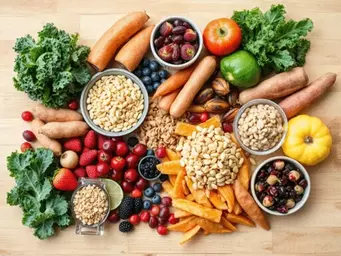
To get started on your fiber journey, consider adding more fiber-rich foods to your meals. Some delicious options include:
- Berries: A tasty addition to your breakfast or snack.
- Lentils: Packed with fiber, they can be added to soups and salads.
- Whole grains: Swap white bread for whole grain varieties.
By prioritizing dietary fiber, you're taking a proactive approach to your digestive health. Remember, it’s all about making informed choices and gradually incorporating these changes into your lifestyle!
Pro Tip
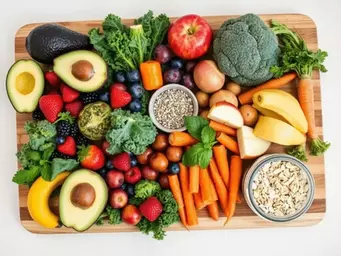
Did you know? Incorporating a variety of fiber sources into your meals not only aids digestion but also enhances nutrient absorption. Aim for a colorful plate by including fruits, vegetables, whole grains, and legumes. This diversity helps your body get the most out of your food while keeping your digestive system happy!
Summarizing Your Fiber Options for Constipation Prevention
As we've explored, choosing the right type of fiber is essential for preventing constipation and promoting digestive health. Understanding the differences between fiber supplements and natural fiber sources can help you make informed choices that suit your lifestyle. Let's summarize some key takeaways to guide your decisions!
Key Takeaways on Fiber Supplements vs. Natural Sources
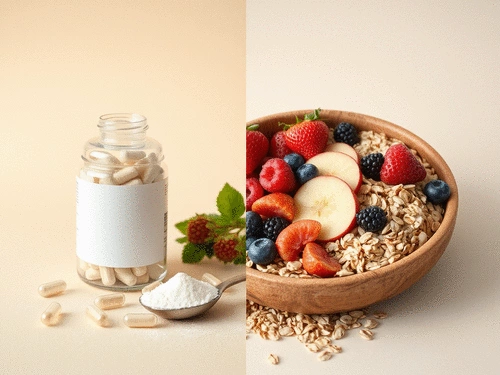
When it comes to fiber intake, both supplements and natural foods offer unique benefits. Here are some important points to consider:
- Convenience: Fiber supplements provide an easy way to boost your intake, especially for those with busy schedules.
- Natural Benefits: Whole foods not only supply fiber but also come packed with vital nutrients, making them a healthier option.
- Variety: Incorporating a mix of both fiber types can enhance your diet, ensuring you receive a broad range of nutrients while promoting digestive health.
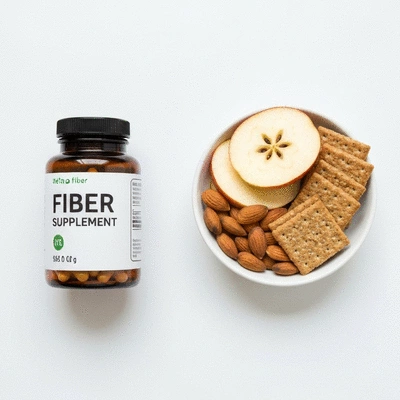
As you think about your fiber sources, remember that a combination might work best for you. At Constipation Prevention, I'm a strong advocate for whole foods, as they can provide additional benefits beyond just fiber!
Making Informed Choices for Long-Term Digestive Health
Empowering yourself with knowledge is key! Here are some strategies to help you make informed choices about your fiber intake:
- Read Labels: If you choose to use fiber supplements, pay attention to ingredient lists and nutritional information. For example, researchers at Stanford Medicine have looked into the effectiveness of fiber supplements and what to look for.
- Experiment: Try different sources of natural fiber to find what works best for your body. Foods like fruits, vegetables, and whole grains can be delightful and beneficial!
- Listen to Your Body: Everyone's digestive system is unique. Take note of how your body reacts to different fiber sources and adjust accordingly.
These steps can lead to long-term improvements in digestive health, so take the time to explore your options and find what feels right for you!
Health Risks of Low Fiber: Understanding the Impact on Digestion
It’s important to recognize that a low-fiber diet can lead to various digestive issues, including constipation and discomfort. Here’s what you need to know:
- Constipation: Insufficient fiber intake is a primary cause of constipation, leading to discomfort and bloating.
- Digestive Disorders: A lack of fiber can contribute to conditions like diverticulitis and irritable bowel syndrome (IBS).
- Weight Gain: Low fiber diets may lead to overeating, as fiber helps you feel full longer.
Understanding these risks can motivate you to prioritize fiber in your diet. Remember, at Constipation Prevention, we're here to support you in making choices that enhance your well-being!
Your Next Steps Towards Better Digestive Wellness
Now that we’ve covered the essentials of fiber for constipation prevention, let’s look at some actionable next steps to improve your digestive wellness!
Creating a Balanced Meal Plan with Fiber in Mind
Planning meals with fiber-rich foods can make all the difference. Here are a few tips to help you incorporate fiber into your daily diet:
- Start your day: Include fiber-rich foods like oatmeal or berries in your breakfast.
- Snack wisely: Opt for fruits, vegetables, or nuts instead of processed snacks.
- Dinner Choices: Fill half your plate with vegetables and whole grains to boost fiber intake.
By taking small, mindful steps like these, you can create a habit of healthy eating that benefits your digestion!
Consulting Healthcare Professionals for Personalized Recommendations
Don’t hesitate to reach out to health professionals for tailored guidance. They can provide valuable insights, especially if you experience ongoing digestive issues. Here’s how to approach this:
- Discuss Symptoms: Share any concerns or symptoms with your healthcare provider.
- Seek Nutrition Advice: A registered dietitian can help personalize your fiber intake based on your dietary needs.
- Regular Check-Ins: Schedule follow-ups to monitor your digestive health and adjust your plan as necessary.
Engaging with healthcare professionals can empower you to take control of your digestive health through informed choices!
Incorporating Probiotics and Prebiotics for Enhanced Gut Health
Finally, consider adding probiotics and prebiotics to your routine as they play a vital role in gut health. Here’s a quick rundown:
- Probiotics: These beneficial bacteria are found in yogurt, kefir, and fermented foods, helping to balance gut flora.
- Prebiotics: Foods rich in prebiotics, like garlic, onions, and bananas, feed the good bacteria in your gut.
- Balance is Key: A diet rich in both fiber and these gut-supporting foods can significantly enhance your digestive health!
At Constipation Prevention, I'm passionate about the synergy of fiber, probiotics, and prebiotics in achieving optimal digestive function. Start experimenting with these elements today for a happier, healthier gut!
Frequently Asked Questions About Fiber and Constipation Prevention
What role does fiber play in preventing constipation?
Fiber acts as a natural regulator for your digestive system, adding bulk to stool and facilitating its movement through the intestines. This helps ensure regular bowel movements and reduces the risk of constipation.
What are the two main types of fiber, and how do they differ?
The two main types are soluble and insoluble fiber. Soluble fiber dissolves in water and helps regulate blood sugar, found in foods like oats and fruits. Insoluble fiber adds bulk to stool and promotes movement through the digestive tract, found in whole grains and vegetables.
Can fiber supplements replace natural fiber sources?
While fiber supplements can be convenient for boosting fiber intake, whole foods offer additional vital nutrients that supplements typically do not. A balanced approach often involves a mix of both, but natural sources are generally preferred for comprehensive nutritional benefits.
What are the health risks associated with a low-fiber diet?
A low-fiber diet can lead to increased constipation and discomfort, a higher risk of digestive disorders like diverticulitis and irritable bowel syndrome (IBS), and potentially weight gain due to less satiety.
How can I effectively incorporate more fiber into my daily diet?
To increase fiber intake, start your day with fiber-rich foods like oatmeal or berries, choose fruits, vegetables, or nuts for snacks, and fill half your dinner plate with vegetables and whole grains. Gradual incorporation helps your digestive system adapt.
Recap of Key Points
Here is a quick recap of the important points discussed in the article:
- Fiber's Role: Fiber is essential for digestive health, helping to prevent constipation by adding bulk to stool and facilitating bowel movements.
- Types of Fiber: Understand the difference between soluble fiber (found in oats and fruits) and insoluble fiber (found in whole grains and vegetables) for optimal gut health.
- Dietary Choices: Incorporate fiber-rich foods like berries, lentils, and whole grains into your meals for better digestive wellness.
- Hydration and Activity: Maintain adequate hydration and engage in regular physical activity to support digestion and prevent constipation.
- Consult Professionals: Seek guidance from healthcare providers for personalized nutrition advice and to address ongoing digestive issues.