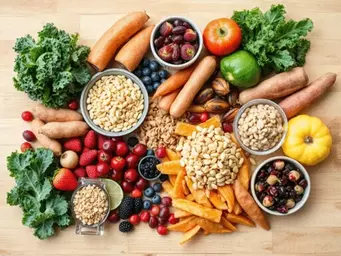

How often do you consider the role of fiber in your diet? This often overlooked nutrient can be a game-changer for your digestive health. Join me as we uncover the essential benefits of fiber and how to integrate it into your meals effectively!
What You Will Learn
- Fiber promotes regular bowel movements, significantly reducing the risk of constipation.
- A diverse intake of fiber sources, including fruits, vegetables, and whole grains, supports gut health and overall wellness.
- Gradually increasing fiber intake can help prevent common digestive issues like bloating and gas.
- Staying hydrated is crucial when consuming more fiber to aid digestion and nutrient absorption.
Understanding Fiber Benefits and Gradual Increase
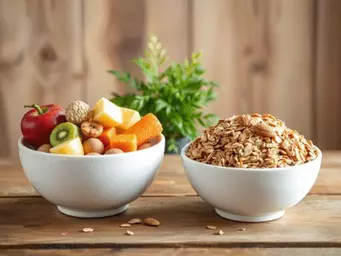
This visual highlights the key aspects of fiber intake: its significant health benefits and the common digestive issues that can arise from increasing it too quickly, emphasizing the importance of a gradual approach.
Understanding the Benefits of Fiber and the Importance of a Gradual Increase
Are you aware that fiber plays a crucial role in supporting your digestive health? As a health and wellness educator, I've seen firsthand how many individuals overlook this important nutrient. A fiber-rich diet can help keep your digestive system running smoothly, preventing issues like constipation and discomfort. But how you increase your fiber intake matters just as much as the amount you consume!
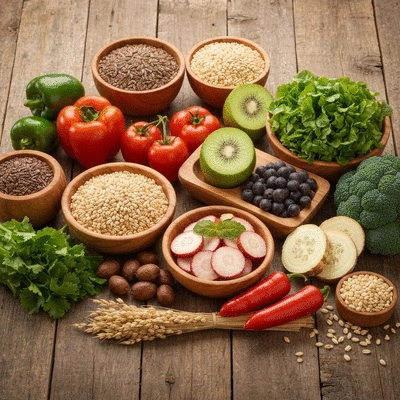
When diving into fiber, it’s essential to understand that not all fiber is created equal. Soluble fiber, found in foods like oats and beans, helps to lower cholesterol and regulate blood sugar. In contrast, insoluble fiber, found in whole grains and vegetables, promotes regularity by adding bulk to your stool. Let's explore why fiber matters for your digestive health!
Why Fiber Matters for Digestive Health
Fiber is like a superhero for your gut! It aids in digestion, helps maintain a healthy weight, and even contributes to heart health. Here are some key reasons why you should prioritize fiber in your diet:
- Promotes regular bowel movements, reducing the risk of constipation.
- Supports a healthy gut microbiome, which is essential for overall wellness.
- Helps you feel full longer, aiding in weight management.
- May lower the risk of certain diseases, including diabetes and heart disease.
As you can see, the benefits of fiber are vast and impactful. However, it’s vital to increase your fiber intake gradually to avoid discomfort.
Common Digestive Issues When Increasing Fiber Intake
Have you ever experienced bloating or gas after upping your fiber intake too quickly? You’re not alone! It’s a common issue that many face. When introducing more fiber into your diet, your digestive system needs time to adjust. Sudden increases can lead to symptoms like:
- Bloating
- Gas
- Abdominal cramps
- Diarrhea or constipation
To prevent these discomforts, I recommend taking a gradual approach to fiber increase. This will allow your body to adapt and enjoy the benefits without the side effects!
Health Benefits of a High-Fiber Diet
So, what can you expect when you commit to a high-fiber diet? The health benefits are numerous! A balanced intake of fiber can lead to:
- Improved digestion and nutrient absorption.
- Lower cholesterol levels, contributing to heart health.
- Balanced blood sugar levels, which is particularly beneficial for those with diabetes.
- Enhanced weight management by keeping you feeling full.
Incorporating fiber into your meals doesn’t have to be overwhelming. With a little planning and knowledge, you can make fiber a regular part of your diet. At Constipation Prevention, my aim is to empower you with evidence-based strategies for optimal digestive health, starting with fiber!
Pro Tip
When increasing your fiber intake, consider incorporating fermented foods like yogurt, kefir, or kimchi into your diet. These foods can help support your gut microbiome, making the transition to a higher fiber diet smoother and more beneficial for your overall digestive health!
Frequently Asked Questions About Fiber Intake
- Q: What are the main benefits of consuming fiber?
- A: Fiber offers numerous benefits, including promoting regular bowel movements, lowering cholesterol levels, balancing blood sugar, and assisting with weight management. It's a crucial component for overall digestive health and wellness.
- Q: Why is it important to increase fiber intake gradually?
- A: Rapidly increasing fiber can lead to common digestive discomforts such as bloating, gas, abdominal cramps, and changes in bowel habits like diarrhea or constipation. A gradual increase allows your digestive system to adjust smoothly.
- Q: What is the difference between soluble and insoluble fiber?
- A: Soluble fiber dissolves in water and helps lower cholesterol and regulate blood sugar. It's found in foods like oats, beans, and apples. Insoluble fiber does not dissolve in water; it adds bulk to stool, promoting regularity and is found in whole grains and many vegetables.
- Q: What are some good sources of fiber?
- A: Excellent sources of fiber include fruits (berries, apples, pears), vegetables (broccoli, spinach, carrots), whole grains (oats, brown rice, whole wheat bread), legumes (lentils, beans, chickpeas), nuts, and seeds.
- Q: Does staying hydrated help when increasing fiber intake?
- A: Yes, staying hydrated is extremely important when increasing fiber intake. Water helps fiber move through your digestive system more easily and prevents issues like constipation, which can occur if fiber absorbs too much water without adequate fluid intake.
Summary of Key Takeaways for Increasing Fiber Intake
As we wrap up our discussion on fiber, it's essential to remember a few key takeaways that can significantly enhance your digestive health. Incorporating fiber into your diet doesn’t have to be overwhelming; in fact, starting small can lead to lasting changes. Here’s a quick recap of effective strategies to avoid digestive issues while increasing your fiber intake:
- Begin with small amounts of fiber and gradually increase to avoid discomfort.
- Include a variety of fiber sources, such as fruits, vegetables, whole grains, and legumes.
- Stay hydrated to help your body adjust to the increased fiber.
- Listen to your body and make adjustments as needed to your fiber intake.
By following these simple yet effective strategies, you can help ensure a smoother transition and enjoy the many benefits that a fiber-rich diet can offer!
Encouragement to Take Action Towards a Healthier Diet
Now that you have the tools and insights needed to enhance your fiber intake, I encourage you to take action! Remember, your journey towards a healthier diet is not just about the numbers—it's about how you feel. Embrace the process, and don’t be afraid to experiment with different foods and recipes that include fiber. The sooner you start, the sooner you will notice the benefits!

As you make these dietary changes, keep in mind that consistency is key. It’s not always about perfection but rather about making informed choices that align with your health goals. I’m here to support you every step of the way at Constipation Prevention, where we believe that small, informed adjustments can lead to significant improvements in your digestive health.
Final Thoughts on Your Fiber Journey
Your journey to increasing fiber intake can be a rewarding experience filled with new flavors and health benefits. Remember to be patient with yourself as you make these changes. Each step you take towards incorporating more fiber into your meals is a step toward a healthier gut. Whether it’s enjoying a bowl of oatmeal topped with berries or swapping out white bread for whole grain, every small change counts!
Invitation to Share Your Experiences and Tips
I would love to hear about your experiences as you embark on this fiber journey! Have you discovered any favorite high-fiber recipes or snacks? Do you have tips that helped you increase your fiber intake without discomfort? Feel free to share your insights with me at Constipation Prevention. Your stories can inspire others in our community to take charge of their digestive health!
Recap of Key Points
Here is a quick recap of the important points discussed in the article:
- Fiber is essential for digestive health and can help prevent constipation.
- Different types of fiber (soluble and insoluble) offer distinct health benefits.
- Gradually increasing fiber intake helps avoid digestive discomfort.
- Incorporating a variety of fiber sources, such as fruits, vegetables, and whole grains, is beneficial.
- Staying hydrated is crucial when increasing fiber consumption.