

What if your gut health held the key to your overall well-being? Recent studies suggest that a healthy gut microbiome can influence everything from digestion to mood regulation. Let's explore the vital role it plays in our lives.
What You Will Learn
- A diverse gut microbiome is associated with better health outcomes, contributing to improved digestion and nutrient absorption.
- An imbalance in gut flora can lead to digestive issues, including constipation, and affect the immune system's capacity to respond to pathogens.
- Personalizing your diet can help cultivate a healthier microbiome, making it essential to monitor what you eat.
- Utilizing technology like apps and journals can enhance your ability to track habits that support gut health effectively.
- Building a sustainable routine gradually, instead of making drastic changes, can lead to lasting improvements in digestive wellness.
Key Pillars of Gut Health: A Visual Guide
Understanding the key elements that contribute to a healthy gut microbiome and overall digestive wellness.
What is the Gut Microbiome?
- • Diversity Matters: Varied microbiome → better health.
- • Microbial Balance: Imbalance → digestive issues.
- • Personalized Nutrition: Tailor diet for health.
Importance for Overall Wellness
- • Improved Digestion: Efficient food breakdown.
- • Enhanced Immune Response: Supports body’s defenses.
- • Mood Regulation: Influences neurotransmitters.
Gut Flora and Immune Function
- • Barrier Defense: Strengthens gut lining.
- • Immune Training: Helps differentiate invaders.
- • Inflammation Control: Modulates body's levels.
Sustainable Routine Habits
- • Daily water intake.
- • Fiber & probiotic foods.
- • Physical activity & sleep quality.
Understanding the Gut Microbiome and Its Importance for Digestive Health
The gut microbiome is a fascinating and vital component of our digestive system! It comprises trillions of microorganisms, including bacteria, viruses, fungi, and other microbes that reside in our intestines. These tiny creatures play an essential role in breaking down food, absorbing nutrients, and even influencing our overall health and well-being.
At Constipation Prevention, I often emphasize the importance of maintaining a balanced gut microbiome. Not only does it aid in digestion, but it also impacts our immune system, mental health, and more! So, let’s dive deeper into the significance of this intricate ecosystem.
What is the Gut Microbiome?
The gut microbiome can be viewed as a diverse community of microorganisms that interact with each other and our bodies daily. Each person’s microbiome is unique, shaped by factors such as diet, environment, and lifestyle choices. Understanding this complex web of life is crucial for anyone interested in improving their digestive health.
- Diversity Matters: A varied microbiome typically correlates with better health outcomes.
- Microbial Balance: An imbalance can lead to digestive issues, including constipation!
- Personalized Nutrition: Tailoring your diet can foster a healthier microbiome.
This dynamic ecosystem is not just about bacteria; it involves a complex relationship between various species and our bodily systems. By nurturing our microbiome, we can enhance our digestive health and overall wellness!
Why a Healthy Gut Matters for Overall Wellness
Maintaining a healthy gut is important for various bodily functions. When the gut microbiome is in balance, it can help prevent constipation and other digestive disorders. Perhaps even more intriguingly, a healthy gut is linked to mood regulation, immune function, and even chronic disease prevention! Expert gastroenterologists, such as those at the University of Washington, highlight a checklist for a healthy gut, emphasizing lifestyle factors that contribute to optimal digestive well-being.
- Improved Digestion: A balanced microbiome aids in breaking down food efficiently.
- Enhanced Immune Response: Gut health supports the body’s defense mechanisms.
- Mood Regulation: Gut bacteria can influence neurotransmitter production.
At Constipation Prevention, I encourage everyone to view gut health as a cornerstone of wellness. By nurturing it, we create a foundation for not just digestive health, but holistic well-being.
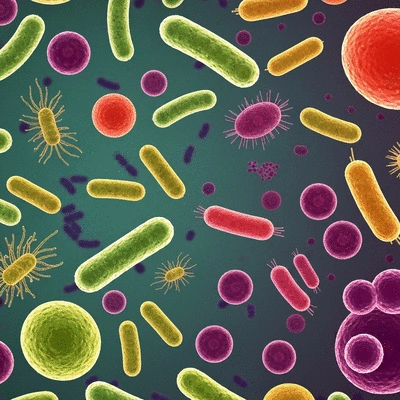
The Connection Between Gut Flora and Immune System Function
Did you know that a significant portion of our immune system is housed in the gut? That’s right! The gut microbiome communicates with our immune system to help maintain a balanced response to pathogens. When the gut flora is disrupted, it can lead to a weakened immune response. Research from NIH News in Health underscores the importance of keeping your gut in check, noting its profound impact on overall immunity.
- Barrier Defense: A healthy microbiome can strengthen the gut lining, preventing harmful substances from entering the bloodstream.
- Immune Training: Gut bacteria help train our immune cells to differentiate between harmful invaders and non-threatening entities.
- Inflammation Control: A balanced gut microbiome can help modulate inflammation levels in the body.
Understanding this connection is essential for anyone looking to enhance their health naturally. By fostering a healthy gut microbiome, we can significantly improve our immune function and overall resilience!
Did You Know?
Research shows that over 70% of our immune system is located in the gut. This underscores the importance of maintaining a healthy gut microbiome not just for digestion, but for overall immune function.
Building a Sustainable Routine for Digestive Wellness
Creating a sustainable routine for your digestive wellness is essential to achieving long-term health. At Constipation Prevention, I believe that successful habits start with simple, manageable steps that can be easily integrated into your everyday life. Tracking your habits is a powerful way to stay motivated and see your progress over time!
By monitoring what you eat, your hydration levels, and even your stress levels, you can identify patterns that help or hinder your gut health. This self-awareness can empower you to make informed choices that contribute to your overall wellness. Here are some key habits to track:
- Daily water intake
- Types of foods consumed (focus on fiber and probiotics)
- Physical activity levels
- Sleep quality
Keeping a close eye on these factors can significantly enhance your understanding of your body’s needs and reactions. Remember, it’s all about progress, not perfection!

Using Apps and Journals for Gut Health Monitoring
In our tech-savvy world, there are fantastic tools available to help you keep track of your gut health. From smartphone applications to traditional journals, each method has its unique benefits. Personally, I've found that using a combination of both can be incredibly effective!
- Apps: Consider using health tracking apps that allow you to log your meals, exercise, and hydration effortlessly. Many also provide insights and reminders to keep you on track.
- Journals: Writing by hand can deepen your connection with your health journey. Use a dedicated journal to jot down your feelings, any digestive symptoms, and what you ate that day. This helps identify food sensitivities or patterns.
- Daily Checklists: Create a checklist of daily habits to accomplish. Checking off items like “drank 8 glasses of water” can give you a sense of accomplishment!
Embrace these monitoring tools as allies in your journey toward better gut health. They can help keep you accountable and motivated as you work to improve your digestive wellness.
Taking Action for Better Gut Health Today
Are you ready to take actionable steps toward improving your gut health? It’s important to remember that you don’t have to overhaul your entire life at once. Start small and focus on implementing one habit at a time to see how it affects your digestive function!
Start Small: Implement One Habit at a Time
When making changes, simplicity is key. Choose one new habit to focus on for the week. Once you feel comfortable with that, add another. This gradual approach helps create a sustainable routine that fits your lifestyle. For instance, incorporating a variety of plant-based foods can significantly benefit your gut, as detailed in research on plant-based diets and gut microbiota.
- Start your day with a glass of water
- Incorporate a fiber-rich snack, like fruit or nuts, into your daily diet
- Add a serving of fermented food, like yogurt or kimchi, to one meal
By taking it step by step, you’re more likely to stick with these changes for the long haul. Patience is essential in building a routine that nurtures your gut!
Join the Community: Share Your Progress for Support
Don’t underestimate the value of community support on your wellness journey! Sharing your goals and progress with friends, family, or a dedicated support group can provide the encouragement you need to stay committed. At Constipation Prevention, we encourage you to connect with others who are also focused on improving their digestive health.
- Participate in online forums or social media groups dedicated to gut health
- Find a buddy to join you on this journey for mutual support
- Consider sharing your successes and challenges in a health journal or blog
Being part of a community can inspire you, hold you accountable, and provide valuable tips from others who are on similar paths.
Avoiding Processed Foods and Reducing Sugar Intake
One of the most impactful changes you can make for your gut health is to limit processed foods and reduce your sugar intake. These foods can disrupt your gut microbiome and lead to various digestive issues. Focus on filling your plate with whole foods that nourish your body!
- Choose fresh, whole fruits and vegetables over sugary snacks
- Opt for whole grains instead of refined options
- Read labels to avoid hidden sugars in packaged foods
Making these adjustments may take time, but your gut will thank you in the long run! Remember, the goal is to create a balanced diet that supports your digestive health while still being enjoyable.
Frequently Asked Questions (FAQs)
- What is the gut microbiome?
- The gut microbiome is a diverse community of microorganisms (bacteria, viruses, fungi, etc.) residing in your intestines that play crucial roles in digestion, nutrient absorption, and overall health.
- Why is a diverse gut microbiome important?
- A diverse gut microbiome is associated with better health outcomes, including improved digestion, enhanced immune response, and better mood regulation.
- How does gut health affect the immune system?
- A significant portion of the immune system is in the gut. A healthy microbiome strengthens the gut lining (barrier defense), trains immune cells to differentiate invaders, and helps modulate inflammation levels.
- What are some key habits for digestive wellness?
- Key habits include daily water intake, consuming fiber-rich and probiotic foods, maintaining physical activity, and ensuring good sleep quality.
- How can I track my gut health habits?
- You can use health tracking apps, maintain a physical journal to record meals and symptoms, or create daily checklists to monitor your habits and progress.
- How can I start improving my gut health?
- Start by implementing one small habit at a time, such as drinking a glass of water in the morning or adding a fiber-rich snack. Gradual changes are more sustainable.
- Why should I avoid processed foods and reduce sugar?
- Processed foods and high sugar intake can disrupt the balance of your gut microbiome, potentially leading to various digestive issues. Focusing on whole foods is beneficial.
Recap of Key Points
Here is a quick recap of the important points discussed in the article:
- Diversity Matters: A varied gut microbiome correlates with better health outcomes.
- Microbial Balance: Maintaining balance is crucial to prevent digestive issues, including constipation.
- Personalized Nutrition: Tailoring your diet can foster a healthier microbiome.
- Improved Digestion: A balanced microbiome aids in breaking down food efficiently.
- Enhanced Immune Response: Gut health supports the body’s defense mechanisms.
- Mood Regulation: Gut bacteria influence neurotransmitter production, affecting mental health.
- Track Your Habits: Monitor water intake, food types, physical activity, and sleep quality for better gut health.