As climate patterns shift, so too do our hydration needs. Understanding how different environments impact our bodies can empower us to make smarter choices about our fluid intake. Are you ready to discover the essentials of staying hydrated in any climate?
What You Will Learn
- How hot climates increase fluid loss through sweating, necessitating more hydration.
- The impact of cold climates on thirst perception, which can lead to under-hydration.
- Why altitude can increase dehydration risk due to drier air.
- The importance of adjusting water intake based on seasonal changes and environmental factors.
- Strategies for personalizing hydration practices to improve digestive health and prevent constipation.
- Addressing health disparities in hydration access and education for broader community wellness.
Climate's Influence on Hydration Needs
Understanding how different climates impact our body's hydration requirements is crucial for preventing issues like constipation. This visual outlines key factors across various climate types that affect fluid loss and thirst perception.
Increased Fluid Loss
In hot and humid climates, our bodies sweat more to cool down.
- ✓Hot Climates: Higher sweat evaporation.
- ✓Humid Climates: Less effective evaporative cooling, more sweating.
- ✓Dry Climates: Rapid moisture loss from skin/lungs.
Thirst Perception & Climate
How different environments affect our body's signal for water.
- ✓Cold Climates: Reduced thirst signals, increased respiratory water loss.
- ✓Altitude: Drier air and increased respiration lead to quicker dehydration.
Climate Change Impact
Adapting hydration strategies to changing weather patterns.
- ✓Rising Temperatures: More intense heat waves, increased water needs.
- ✓Extreme Weather: Droughts impact water availability.
Understanding How Climate Influences Hydration Needs
Have you ever noticed how different climates can affect your thirst levels? It’s fascinating! Our bodies react to changes in temperature and humidity, which can significantly influence our hydration needs. Understanding these physiological effects is essential, especially for maintaining optimal digestive health and preventing constipation.
The relationship between climate and hydration is not just about feeling thirsty. For instance, hot and humid conditions can cause us to sweat more, leading to increased fluid loss. Conversely, cold climates can often trick us into thinking we don’t need to drink as much, even though our bodies still require adequate hydration. Let’s dive deeper into this!
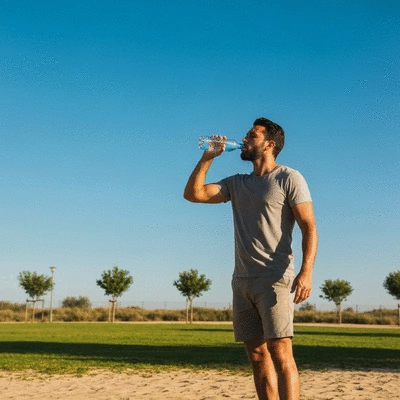
Exploring the Relationship Between Climate and Hydration
Different climates can uniquely impact hydration levels due to various physiological responses our bodies have. Here are some key points to consider:
- Increased Fluid Loss: In hot climates, sweat evaporation increases, leading to more fluid loss.
- Thirst Perception: In cold climates, reduced thirst signals can lead to under-hydration, as highlighted in this article about hydration in cold environments.
- Altitude Effects: Higher altitudes can lead to quicker dehydration as the air is drier, a concept further explored by the USGS on water availability.
By recognizing how these factors play a role, we can better adjust our hydration strategies to stay healthy and prevent discomfort. Remember, consistent hydration is crucial, especially when considering the effects of climate on our bodies!
The Role of Temperature and Humidity in Hydration Requirements
When it comes to hydration, temperature and humidity are critical players. Hot and humid environments can create a perfect storm for dehydration. Here’s how:
- Hot Climates: Increased sweating leads to higher water loss, meaning we need to replenish fluids more often.
- Humid Climates: The body may sweat more but evaporative cooling is less effective, leading to a need for more hydration.
- Cold Climates: We often don’t feel thirsty, but our bodies still lose moisture through respiration and skin, necessitating water intake.
- Dry Climates: Low humidity can lead to rapid moisture loss from our skin and lungs, increasing the need for beverages.
Being aware of these influences can help us tailor our hydration efforts accordingly. For instance, drinking water before, during, and after outdoor activities is essential, especially in warmer weather!

Climate Change and Its Impact on Hydration Needs
With climate change altering weather patterns, we must rethink our hydration strategies. As temperatures rise and weather becomes more unpredictable, our approach to water intake also needs to adjust.
- Increased Temperatures: Higher average temperatures can lead to more intense heat waves, necessitating more water intake to avoid dehydration.
- Extreme Weather Patterns: Droughts can reduce water availability, making it crucial to prioritize hydration when water sources are limited.
- Changing Seasons: Unpredictable seasonal changes can cause fluctuations in hydration needs, requiring us to adapt quickly. The EPA provides insights into how climate change impacts health, underscoring the need for adaptive hydration strategies.
As I reflect on these changes, it’s evident that staying informed and proactive about our hydration can help us navigate these shifts. At Constipation Prevention, we believe in the power of informed choices to enhance digestive health and overall wellness.
Frequently Asked Questions About Climate and Hydration
- Q: How do hot climates affect hydration needs?
- A: In hot climates, the body sweats more to cool down, leading to increased fluid loss. This necessitates drinking more water to replenish lost fluids and prevent dehydration.
- Q: Why is it easy to become dehydrated in cold climates?
- A: Cold climates often reduce thirst signals, making individuals less aware of their need for water. Additionally, increased respiratory water loss due to cold, dry air contributes to dehydration.
- Q: Does altitude impact hydration?
- A: Yes, higher altitudes have drier air and can increase respiration rates, leading to quicker moisture loss from the body and a higher risk of dehydration.
- Q: How can climate change affect our future hydration strategies?
- A: Climate change leads to rising temperatures, more intense heat waves, and extreme weather patterns like droughts. These changes require adaptive hydration strategies, including increased water intake during hot periods and careful management of water resources during scarcity.
- Q: What role does personalized hydration play in preventing constipation?
- A: Personalized hydration, tailored to individual factors like age, activity level, and climate, is crucial for maintaining proper digestive function. Adequate fluid intake softens stools, making them easier to pass and preventing constipation.
We Want to Hear From You!
How do you adjust your hydration strategy based on the climate? Share your thoughts below:
Summarizing the Impact of Climate on Hydration and Constipation Prevention
Understanding how climate affects our hydration needs is crucial for maintaining digestive health. As we've discussed, different climates can significantly influence our hydration levels and, consequently, our risk of constipation. From the scorching heat of summer to the dry chill of winter, being aware of these variations can help us make informed decisions about our daily fluid intake.
Here are some key points to remember about how climate impacts hydration:
- Hot and humid conditions can increase perspiration, leading to higher fluid loss.
- Cold and dry climates often lead to decreased thirst, causing individuals to overlook hydration needs.
- Seasonal changes can alter our dietary habits, affecting both our hydration and fiber intake.
It's essential to pay attention to these factors to ensure we're effectively preventing constipation while promoting overall well-being.
Encouraging Personalized Hydration Strategies for Health
At Constipation Prevention, we believe that hydration isn’t a one-size-fits-all approach. Individual factors such as age, activity level, and even dietary habits play a significant role in how much water we need. I encourage you to assess your hydration and dietary fiber intake regularly, especially as the seasons change. Here are some steps to help you personalize your hydration strategy:
- Monitor your fluid intake daily, aiming for at least eight 8-ounce glasses of water as a starting point.
- Adjust your intake based on physical activity—more exercise means more water needed!
- Consider environmental factors, like heat and humidity, to determine if you need to increase your intake.
By tailoring your hydration and fiber intake to your unique circumstances, you can support your digestive health and avoid the discomfort of constipation.
Addressing Health Disparities in Hydration and Constipation Prevention
It's important to recognize that not everyone has equal access to hydration resources, which can significantly impact health. Communities facing economic challenges may struggle to access clean water or healthy foods. As we understand the importance of hydration for preventing constipation, we must address these disparities for a more equitable public health approach.
Here are some key considerations regarding health disparities:
- Access to clean drinking water varies greatly across regions, affecting hydration levels.
- Education about the importance of hydration and nutrition is crucial in underserved communities.
- Promoting community resources, like local food banks and hydration stations, can help improve access.
By advocating for equitable hydration and nutrition education, we can collectively work towards better health outcomes for all individuals, paving the way for a healthier society.
Recap of Key Points
Here is a quick recap of the important points discussed in the article:
- Climate Affects Hydration: Different climates influence hydration needs; hot and humid conditions lead to increased fluid loss, while cold climates can dull thirst perception.
- Adjust Hydration Strategies: Tailor your hydration intake based on temperature, humidity, and physical activity to maintain optimal health.
- Climate Change Considerations: Rising temperatures and extreme weather patterns necessitate a proactive approach to hydration, especially during heat waves and droughts.
- Personalized Hydration: Assess your individual hydration needs regularly, taking into account age, activity level, and environmental factors.
- Address Health Disparities: Recognize the importance of equitable access to clean water and nutrition education to improve hydration and digestive health for all communities.