Are you ready to unlock the secrets of your gut health? Understanding the role of fiber in maintaining a diverse microbiome could be the key to enhancing your overall well-being!
What You Will Learn
- Dietary fiber is essential for a healthy gut microbiome, promoting better digestion and immunity.
- Two main types of fiber—soluble and insoluble—each contribute uniquely to gut health.
- Fiber-rich foods like fruits, vegetables, and whole grains can enhance gut microbiome diversity.
- A high-fiber diet supports regular bowel movements, nutrient absorption, and reduced inflammation.
- Small dietary changes, such as adding fiber to breakfast or snacking on fruits, can significantly improve gut health.
Fiber's Impact on Gut Health & Microbiome Diversity
Fiber is crucial for a healthy gut, supporting digestion, promoting bacterial diversity, and enhancing nutrient absorption. Below is a breakdown of its key benefits and types.
Key Benefits of a High-Fiber Diet
- ✓Supports Healthy Digestion & Bowel Movements
- ✓Promotes Gut Bacteria Diversity
- ✓Enhances Nutrient Absorption
- ✓Aids in Weight Management
- ✓Contributes to Lower Inflammation
Types of Fiber & Their Roles
Soluble Fiber
- Action: Dissolves in water, forms gel-like substance.
- Benefits: Lowers cholesterol, stabilizes blood sugar.
- Found In: Oats, beans, fruits (apples, bananas).
Insoluble Fiber
- Action: Adds bulk to stool, speeds digestion.
- Benefits: Prevents constipation, promotes regularity.
- Found In: Whole grains, nuts, vegetables.
Fiber-Rich Foods for Gut Health
Fruits
- Apples (Pectin)
- Bananas (Resistant Starch)
- Berries (Antioxidants)
- Pears, Oranges (Hydration)
Other Sources
- Oatmeal, Whole Grains
- Beans, Lentils
- Nuts, Seeds
- Vegetables (Carrots, Leafy Greens)
Understanding the Role of Fiber in Gut Microbiome Diversity
Have you ever wondered why everyone is raving about fiber? Well, let me tell you, it’s not just a buzzword! Dietary fiber plays a crucial role in maintaining a healthy gut microbiome, which is essential for your overall digestive health. As the founder of Constipation Prevention, I’ve seen firsthand how understanding fiber can transform your gut health journey. So let's dive into the connection between dietary fiber and gut health!
The Connection Between Dietary Fiber and Gut Health
Dietary fiber is a type of carbohydrate that your body can’t digest. It serves as food for your gut bacteria, helping to keep your microbiome diverse. A diverse microbiome is linked to better digestion, improved immunity, and even mental health. Here are some key reasons why fiber is important:
- Supports Healthy Digestion: Fiber helps regulate bowel movements, preventing constipation.
- Promotes Gut Bacteria Diversity: Different types of fiber feed various bacteria, fostering a balanced microbiome.
- Improves Nutrient Absorption: A healthy microbiome can enhance the absorption of vitamins and minerals from your food.
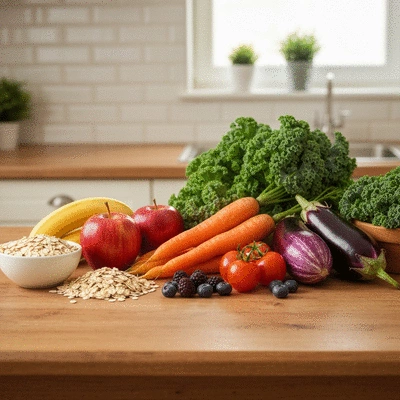
By adding more fiber to your diet, you can create an environment where beneficial bacteria thrive! It’s a simple yet effective way to boost your gut health.
Types of Fiber and Their Impact on Microbiota
Understanding the different types of fiber can help you make informed choices. There are two main types: soluble and insoluble fiber. Each type plays a unique role in gut health:
- Soluble Fiber: Found in oats, beans, and fruits, soluble fiber dissolves in water, forming a gel-like substance. It can help lower cholesterol levels and stabilize blood sugar.
- Insoluble Fiber: Found in whole grains, nuts, and vegetables, insoluble fiber adds bulk to your stool and helps food pass through the digestive system more quickly.
Incorporating both types of fiber into your diet is essential for nourishing your microbiome. This balance can lead to improved gut function and overall wellness.
Exploring Fiber-Rich Foods for a Healthy Gut
Now that we understand fiber's role in gut health, let’s explore delicious food options that can help you increase your fiber intake! Eating a variety of fiber-rich foods can greatly enhance your gut microbiome diversity.
Fruits That Promote Gut Microbiome Diversity
Fruits are not only tasty but also packed with fiber that benefits your gut. Here are some top picks:
- Apples: High in pectin, which acts as a prebiotic.
- Bananas: Great source of resistant starch, which feeds good bacteria.
- Berries: Loaded with antioxidants and fiber, perfect for gut health!
Including these fruits in your daily diet can work wonders! Just think about how easy it is to grab an apple or throw some berries into your morning oatmeal.
Top Fiber-Rich Fruits: Apples, Bananas, and Berries
Each of these fruits brings unique benefits to your gut health. Apples, for example, are rich in fiber and can help regulate your digestive system. Bananas contain a special type of fiber that can act as a prebiotic, promoting the growth of good bacteria. Meanwhile, berries are not just delicious; they also offer high fiber content and are low in calories, making them an ideal snack!
High-Fiber Options: Pears and Oranges for Gut Health
Don’t forget about pears and oranges! Both are fantastic fiber sources and provide hydration, which is essential for digestive health. Pears have more fiber than apples, while oranges can help boost your vitamin C intake. So, why not mix it up and enjoy a fruit salad filled with these fiber-packed delights?
Pro Tip
Did you know that introducing a variety of fiber sources into your diet can significantly enhance gut microbiome diversity? Aim to include a mix of both soluble and insoluble fibers, such as oats, beans, nuts, and whole grains, to create a thriving environment for beneficial gut bacteria. This simple change can lead to improved digestion and overall health!
Emphasizing the Benefits of a High-Fiber Diet for Gut Microbiome Diversity
Are you aware of the incredible impact a high-fiber diet can have on your gut microbiome? By increasing the diversity of your gut bacteria, you're not just supporting digestion—you're also enhancing your overall well-being! Numerous studies have shown that a rich intake of fiber can improve your gut health, leading to reduced bloating, better nutrient absorption, and an overall boost in mood and energy levels. Research highlights the complex interplay of diet and the gut microbiome, influencing human health significantly.

Incorporating more fiber into your diet is a simple yet effective way to promote a healthy microbiome. As I’ve shared with my readers at Constipation Prevention, focusing on fiber-rich foods can empower you to take control of your digestive health and feel your best each day!
Improving Gut Health and Overall Well-Being
So, what exactly are the benefits of a high-fiber diet? Let’s break it down:
- Diverse Microbiome: A fiber-rich diet feeds beneficial gut bacteria, which helps them thrive and diversify.
- Enhanced Digestion: Regular fiber intake promotes regular bowel movements and reduces constipation.
- Weight Management: High-fiber foods can keep you feeling full longer, reducing the urge to snack on less healthy options.
- Lower Inflammation: A healthy gut may help reduce systemic inflammation, contributing to a lower risk of chronic diseases.
It’s fascinating to see how these factors intertwine! When your gut microbiome is thriving, it can lead to better immune function and even improve your mood. With the right choices, we can all pave the way for a healthier future!
Frequently Asked Questions About Fiber and Gut Health
- Q: What is dietary fiber and why is it important for gut health?
- A: Dietary fiber is a type of carbohydrate that the body cannot digest. It is crucial for a healthy gut because it acts as food for beneficial gut bacteria, promoting a diverse microbiome, regulating bowel movements, and enhancing nutrient absorption.
- Q: What are the two main types of fiber and how do they differ?
- A: The two main types are soluble and insoluble fiber. Soluble fiber (found in oats, beans, fruits) dissolves in water to form a gel, helping to lower cholesterol and stabilize blood sugar. Insoluble fiber (found in whole grains, nuts, vegetables) adds bulk to stool and speeds up digestion, preventing constipation.
- Q: Which fruits are particularly good for gut microbiome diversity?
- A: Apples (rich in pectin), bananas (resistant starch), and berries (antioxidants and fiber) are excellent choices. Pears and oranges also offer significant fiber and hydration benefits.
- Q: How does a high-fiber diet benefit overall well-being beyond digestion?
- A: Beyond improved digestion, a high-fiber diet supports a diverse microbiome, aids in weight management by increasing satiety, and can help lower systemic inflammation, contributing to better immune function and improved mood.
- Q: What are some easy ways to increase fiber intake in daily meals?
- A: Start your day with fiber-rich options like oatmeal with fruit, choose nuts, seeds, or carrots with hummus for snacks, make vegetables the main component of your lunch and dinner, and incorporate fermented foods like yogurt or kefir. Gradually increasing your fiber intake is key to avoiding discomfort.
Encouraging Dietary Changes for a Healthier Gut
Steps to Integrate Fiber-Rich and Fermented Foods into Your Routine
Incorporating more fiber and fermented foods into your daily meals doesn't have to be overwhelming. Here are some straightforward steps to get you started:
- Start Your Day with Fiber: Begin your morning with oatmeal topped with fresh fruit or seeds.
- Snack Wisely: Choose fiber-rich snacks like nuts, seeds, or carrot sticks with hummus.
- Make Vegetables the Star: Add a variety of colorful veggies to your lunch salads and dinner plates.
- Explore Fermented Options: Incorporate yogurt or kefir into your breakfast or snacks for added probiotics, which further support gut health as discussed by the National Institute of Diabetes and Digestive and Kidney Diseases.
These small changes can make a big impact on your digestive health. Remember, it’s all about finding what works best for you and gradually increasing your fiber intake to avoid any discomfort!
Final Thoughts on Fiber and Gut Health
As we conclude this exploration of fiber and gut health, I encourage you to make informed choices for long-term benefits. Remember, each small step you take towards integrating fiber-rich foods into your routine is a move towards a healthier gut and a happier you!
Making Informed Choices for Long-Term Benefits
At Constipation Prevention, we aim to equip you with the knowledge you need to succeed. Whether it's picking the right high-fiber foods or discovering new recipes, every effort counts. So go ahead, embrace those fiber-rich foods, and watch how your gut microbiome flourishes!
Recap of Key Points
Here is a quick recap of the important points discussed in the article:
- Dietary Fiber is Essential: It supports healthy digestion and promotes gut bacteria diversity.
- Types of Fiber Matter: Soluble and insoluble fibers play unique roles in gut health.
- Include Fiber-Rich Foods: Fruits like apples, bananas, and berries can significantly enhance gut microbiome diversity.
- Benefits of a High-Fiber Diet: It leads to improved digestion, weight management, and lower inflammation.
- Make Gradual Changes: Start incorporating fiber-rich and fermented foods into your diet for lasting benefits.