
How often do you consider the role hydration plays in your digestive health? Surprisingly, the simple act of drinking water can have profound effects on how well your body processes food. Let’s explore the essential connection between hydration and digestive wellness.
What You Will Learn
- Water is vital for breaking down food, facilitating nutrient absorption, and maintaining regular bowel movements.
- Dehydration can lead to constipation, bloating, and digestive discomfort, making hydration essential for overall gut health.
- Electrolytes like sodium and potassium enhance hydration's effectiveness, supporting digestive function and muscle contractions.
- Personalized hydration routines can greatly improve digestive health by considering individual activity levels and dietary habits.
- Monitoring hydration progress can help identify improvements in digestive health, including bowel regularity and energy levels.
- Quality matters—choosing the right type of water and incorporating infused options can enhance hydration strategies.
The Digestive Health Hydration Cycle
This diagram illustrates the critical role of water, electrolytes, and the gut microbiome in maintaining a healthy digestive system, alongside key aspects of managing hydration for various conditions.
Essential Role of Water
Facilitates nutrient absorption, promotes regular bowel movements, breaks down food.
Dehydration Effects
- Slowed processes
- Hard stool/constipation
- Increased disorder risk
Electrolytes' Influence
- Sodium: fluid balance
- Potassium: muscle aid
- Magnesium: enzyme support
Gut Microbiome Link
Supports beneficial bacteria, balanced pH, immune function.
Understanding the Impact of Hydration on Digestive Health
Hydration is often overlooked when we talk about digestive health, but let me tell you, it plays a critical role in keeping our digestive system functioning smoothly. Water is essential for breaking down food, absorbing nutrients, and eliminating waste. As someone who has seen firsthand the benefits of proper hydration through my work at Constipation Prevention, I can assure you—drinking enough water can significantly enhance your digestive wellness!
Understanding how hydration interacts with your digestive system is the first step towards achieving optimal health. Let’s dive deeper into the essential roles water plays in digestion and how we can ensure we’re getting enough of it!
The Essential Role of Water in Digestion
Water is your digestive system's best friend, influencing every step of the digestion process. It helps to dissolve nutrients, making them easier to absorb. Additionally, it softens food, preventing discomfort and constipation. When you sip on a glass of water, you’re not just quenching your thirst; you’re also supporting your gut in a multitude of ways! Research published in PMC (PubMed Central) highlights water's crucial role in various bodily functions, including aiding digestion.
- Facilitates nutrient absorption
- Promotes regular bowel movements
- Helps break down food for easier digestion

If you’ve ever felt bloated or sluggish after a meal, it might be a sign that your body needs more hydration. By ensuring your intake of water is sufficient, you’re setting the stage for better digestion.
How Dehydration Affects the Digestive System
Dehydration can lead to a range of digestive issues. When your body lacks adequate water, it can cause constipation, bloating, and even indigestion. This lack of moisture affects the way food moves through the intestines. I’ve often worked with clients who discover that simply increasing their water intake can lead to significant improvements in their digestive health! As noted by Bastyr University, maintaining proper hydration is one of the simplest yet most effective ways to support digestive health, particularly to avoid issues like constipation.
- Slowed digestive processes
- Hardening of stool, leading to constipation
- Increased risk of digestive disorders
Recognizing these signs early and responding with proper hydration can make a world of difference. Remember, your body depends on water to function, and your digestive health is no exception!
Electrolytes and Their Influence on Digestive Function
While we often think of water as the sole player in hydration, electrolytes are equally important! These minerals, including sodium and potassium, help maintain the body's fluid balance, enhancing water's effectiveness in digestion. When we sweat or engage in intense physical activities, we lose not only water but also electrolytes.
- Sodium: Helps retain water and maintain blood pressure
- Potassium: Aids in muscle contractions, including those of the digestive tract
- Magnesium: Supports various digestive enzymes
Incorporating electrolyte-rich foods, like bananas and leafy greens, into your diet can further support your digestive health. Think of these minerals as the backup team working alongside hydration to keep your gut happy!
The Connection Between Hydration and Gut Microbiome Health
Did you know that staying hydrated can also benefit your gut microbiome? A balanced microbiome is essential for effective digestion and overall gut health. Proper hydration supports the growth of beneficial bacteria, which play a crucial role in breaking down food and producing nutrients. A study published in Qeios emphasizes the significant impact of hydration on the gut microbiome, highlighting how sufficient water intake is crucial for maintaining microbial balance and preventing dysbiosis.
- Maintains a balanced pH in the gut
- Encourages diversity in gut bacteria
- Supports overall immune function
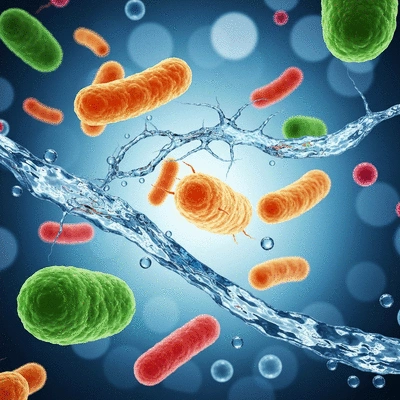
At Constipation Prevention, I emphasize the importance of hydration not just for digestion but also for cultivating a healthy gut environment. By drinking enough water, you’re actively nurturing your gut microbiome!
Pro Tip
Did you know? Staying hydrated is not just about drinking plain water! You can boost your hydration by incorporating electrolyte-rich beverages such as coconut water or adding slices of fruits like lemon, cucumber, or berries to your water. This not only enhances the flavor but can also encourage you to drink more, supporting your digestive health even further!
Creating a Personalized Hydration Schedule for Optimal Digestion
Establishing a personalized hydration schedule is crucial for maintaining optimal digestive health. By understanding when and how much to drink, you can effectively support your body's digestive processes. Remember, every individual's hydration needs can vary based on activity levels, climate, and dietary habits!
Steps to Develop Your Hydration Routine
Creating a hydration routine can be simple! Here are a few essential steps to consider:
- Identify your daily water intake goal based on your weight and activity level.
- Track your current hydration habits to see where you can improve.
- Experiment with different water sources and flavors to find what you enjoy.
- Set reminders to encourage consistent water intake throughout the day.
These steps help you establish a routine that fits seamlessly into your daily life. It’s all about finding what works best for you and making hydration a priority.
Morning Hydration: Start the Day Right
Starting your day with hydration sets a positive tone for your digestive health. Consider drinking a glass of water as soon as you wake up. This not only helps to jumpstart your metabolism but also replenishes the fluids lost overnight. You might even want to add a slice of lemon for a refreshing twist!
Pre-Meal Water Intake: Timing is Key
Drinking water before meals can aid digestion by helping your body break down food more effectively. Aim to drink about half a glass of water 30 minutes before you eat. This can enhance your digestive enzyme function, making every meal more enjoyable!
Staying Hydrated Throughout the Day
To keep up with your hydration needs, consider carrying a reusable water bottle with you. This makes it easy to sip throughout the day, whether you're at work, running errands, or exercising. Additionally, setting a goal to finish a specific amount of water by lunch can keep you motivated!
Setting a Daily Water Goal for Digestive Wellness
Establishing a clear hydration goal is essential for success. For most people, aiming for eight 8-ounce glasses of water a day is a great starting point. However, if you have a more active lifestyle or live in a warmer climate, you might need to increase this amount. Just remember, listen to your body; it often knows best!
Hydration Strategies for Specific Digestive Conditions
Hydration strategies can vary depending on individual digestive conditions. Tailoring your hydration approach will support your unique needs and help you on your journey to better digestive health.
Managing IBS Symptoms Through Targeted Hydration
For individuals managing symptoms of Irritable Bowel Syndrome (IBS), hydration can play a pivotal role. Staying well-hydrated can help alleviate some IBS symptoms by keeping stool soft and aiding digestion. Here are some tips:
- Drink plenty of water throughout the day, especially before meals.
- Consider adding electrolyte-rich beverages to your routine, such as coconut water.
- Track how different foods and drinks affect your symptoms to identify what works best for you.
By personalizing your hydration strategy, you can better manage your IBS symptoms and enhance your overall well-being!
Hydration Tips for Acid Reflux Relief
If you're dealing with acid reflux, timing your hydration is essential. Here’s how you can help manage symptoms:
- Avoid drinking large amounts of water during meals, as it can increase stomach pressure.
- Opt for smaller sips throughout the day instead.
- Incorporate herbal teas like chamomile or ginger, which can help soothe the stomach.
These strategies can help minimize discomfort and make your meals more enjoyable!
Combating Constipation: Importance of Water and Fiber
As you may know, drinking enough water is a key player in preventing constipation. Combining adequate hydration with a high-fiber diet creates a powerful duo for digestive wellness!
- Ensure you're drinking enough water alongside fiber-rich foods like fruits, vegetables, and whole grains.
- Aim for a balance of soluble and insoluble fiber to keep things moving smoothly.
- Consider keeping a water log to track your intake and ensure you’re meeting your goals.
By making these adjustments, you can enjoy a more regular digestive routine.
How Fermented Foods and Probiotics Support Hydration and Digestion
Incorporating fermented foods and probiotics into your diet can also enhance hydration and digestion. Foods like yogurt, kefir, and kimchi not only provide beneficial bacteria but can also help with fluid absorption in the gut.
- Try adding a serving of yogurt to your breakfast or snack for a hydration boost.
- Experiment with different fermented foods to find ones you enjoy.
- Consider taking a probiotic supplement if you struggle to get enough from food.
These small changes can make a big difference in supporting your hydration and digestive health!
Tracking Your Hydration Progress and Its Effects on Digestion
Tracking your hydration progress can reveal valuable insights into how well you’re supporting your digestive health. Monitoring changes allows you to adjust your hydration habits for the best outcomes.
How to Monitor Changes in Digestive Health
Observe how your digestive health responds to your hydration routine. Here are a few key indicators to watch for:
- Note any changes in bowel regularity and consistency.
- Pay attention to any discomfort or bloating after meals.
- Monitor your energy levels, as dehydration can lead to fatigue.
By keeping tabs on these aspects, you can make informed adjustments to your hydration habits.
Using Hydration Tracking Tools Effectively
Consider utilizing hydration tracking tools to help you stay on course. Many apps and devices are available that can assist you in monitoring your water intake and remind you to drink regularly.
- Look for features that allow you to set daily goals.
- Choose apps that provide insights based on your activity level and weather conditions.
- Find a tool that aligns with your personal preferences for maximum engagement!
These tools can make hydration a more manageable part of your daily routine.
Exploring Hydration Reminder Apps for Consistent Water Intake
Hydration reminder apps can serve as helpful nudges to ensure you’re drinking enough water throughout the day. Some popular options include:
- WaterMinder
- Plant Nanny
- MyWater
These apps can help keep you accountable and make hydration feel less daunting.
Enhancing Your Hydration Schedule with Quality Water Considerations
Quality matters when it comes to hydration! Choosing the right type of water and how you consume it can significantly influence your digestive health.
The Impact of Water Quality on Digestive Health
Not all water is created equal! The quality of the water you consume can affect your body's ability to hydrate effectively. Pay attention to:
- The presence of contaminants or impurities in your water supply.
- The mineral content of the water, as some minerals can aid digestion.
- How the water is filtered or sourced, as this can impact flavor and health benefits.
Prioritizing clean, high-quality water is an essential step towards better digestive health!
Choosing the Right Type of Water for Maximum Benefits
Different types of water offer various benefits. Consider incorporating:
- Spring water for its natural minerals.
- Filtered water to remove impurities.
- Electrolyte-infused water for added hydration.
Finding the right type of water can enhance your hydration strategy and support overall wellness.
Infused Water and Herbal Teas: Flavorful Ways to Stay Hydrated
If you find plain water boring, infusing it with fruits, herbs, or spices can make hydration enjoyable! Here are a few delightful options:
- Lemon and mint for a refreshing twist.
- Cucumber and basil for a spa-like experience.
- Ginger and lemon for added digestive support.
Additionally, herbal teas are a fantastic way to increase your fluid intake. They can be sipped warm or cold, making them versatile for any season!
Frequently Asked Questions About Hydration and Digestive Health
- 1. Why is water essential for digestion?
- Water is vital for breaking down food, facilitating nutrient absorption, softening stool to prevent constipation, and ensuring overall smooth digestive processes.
- 2. What happens to my digestive system if I'm dehydrated?
- Dehydration can lead to slowed digestive processes, hardening of stool, constipation, bloating, indigestion, and an increased risk of various digestive disorders.
- 3. How do electrolytes contribute to digestive health?
- Electrolytes like sodium, potassium, and magnesium help maintain the body's fluid balance. Potassium aids in muscle contractions of the digestive tract, while magnesium supports various digestive enzymes, enhancing water's effectiveness.
- 4. Can hydration affect my gut microbiome?
- Yes, proper hydration supports a healthy gut microbiome by maintaining a balanced pH in the gut and encouraging the growth of beneficial bacteria, which are crucial for effective digestion and nutrient production.
- 5. How much water should I drink daily for good digestive health?
- While a general guideline is eight 8-ounce glasses (about 2 liters) per day, your specific needs can vary based on activity levels, climate, and dietary habits. It's best to listen to your body and adjust your intake accordingly.
- 6. Are there specific hydration tips for people with IBS or acid reflux?
- For IBS, consistent water intake throughout the day and before meals is beneficial. For acid reflux, avoid large amounts of water during meals and opt for smaller sips throughout the day. Herbal teas can also be soothing.
- 7. How can I make my hydration routine more effective and enjoyable?
- You can personalize your routine by setting daily goals, tracking your intake, and experimenting with different water sources or flavors. Infused waters with fruits, herbs, or spices, and herbal teas, are great ways to make hydration more appealing.
Recap of Key Points
Here is a quick recap of the important points discussed in the article:
- Hydration is crucial for digestive health, aiding in nutrient absorption and preventing constipation.
- Dehydration can lead to digestive issues such as bloating, constipation, and indigestion.
- Electrolytes play a significant role in hydration and digestive function, so consider incorporating them into your diet.
- Staying hydrated supports a healthy gut microbiome, which is essential for optimal digestion.
- Establishing a personalized hydration schedule can help you meet your individual hydration needs.
- Different hydration strategies can be tailored to specific digestive conditions like IBS and acid reflux.
- Monitoring your hydration progress can provide insights into improving your digestive health.