How often do you consider the role of exercise in your digestive health? While many focus solely on diet, incorporating physical activity can be a game-changer for chronic constipation relief. Let’s explore the essential insights that can enhance your gut health through exercise.
What You Will Learn
- Regular exercise enhances gut motility, helping food move efficiently through the digestive tract.
- Aerobic activities like brisk walking, jogging, and cycling significantly stimulate bowel movements.
- Proper hydration is crucial; it aids digestion and prevents constipation by ensuring stools remain soft.
- Evaluating your exercise plan involves monitoring bowel movement frequency and stool consistency.
- Utilizing tools like the Bristol Stool Scale can help track improvements in stool quality over time.
- Consulting healthcare professionals can provide tailored advice for your exercise and digestive health journey.
Exercise Impact on Bowel Health: Key Indicators and Tracking
Understanding the impact of physical activity on your digestive system requires consistent self-assessment. The following visual outlines key indicators to track and tools to help you monitor your progress effectively.
Key Indicators of Success
Frequency of Bowel Movements
Regularity is a primary sign of improved gut motility.
Stool Consistency (Bristol Scale)
Aim for Types 3-4, indicating healthy digestion.
Reduced Bloating & Discomfort
Decreased symptoms reflect improved digestive function.
Increased Energy Levels
Better digestion often correlates with improved vitality.
Aerobic Activities for Bowel Stimulation
Brisk Walking
Easy, accessible, and effective for promoting motility.
Jogging
More vigorous, increases heart rate and blood flow.
Cycling
Fun and effective, both stationary and outdoors.
Hydration's Role in Exercise & Digestion
Water Intake
Aim for 8 glasses daily, more with vigorous exercise.
Electrolyte Balance
Hydrating foods like cucumbers and oranges help.
Timing
Drink before, during, and after workouts for optimal results.
Monitoring Changes with the Bristol Stool Scale
Type 1-2: Constipation
Hard lumps to lumpy sausage.
Type 3-4: Ideal
Sausage with cracks to smooth, soft snake.
Type 5-7: Diarrhea
Soft blobs to entirely liquid.
Understanding the Connection Between Exercise and Chronic Constipation Relief
Are you aware of the significant role that exercise plays in maintaining gastrointestinal health? Many people, including those who visit my platform, Constipation Prevention, often overlook exercise as a key factor in relieving chronic constipation. Regular physical activity not only enhances your overall well-being but also specifically contributes to a healthier digestive system. Let’s dive into why exercise matters and how it can help you achieve the relief you seek!
Why Exercise Matters: Physiological Benefits for the GI Tract
Exercise has profound physiological benefits that can transform your digestive health! Engaging in physical activity stimulates the muscles of the gastrointestinal (GI) tract, promoting motility and helping food move more efficiently through your system. This process can significantly reduce feelings of bloating and discomfort associated with constipation.
- Increased gut motility: Exercise enhances the contractions of your intestines, which helps push waste through the digestive tract. Research published in the Journal of Clinical Gastroenterology highlights how physical activity can improve gut transit time and alleviate constipation symptoms.
- Blood flow improvement: As you exercise, blood circulation increases, supplying your digestive organs with the nutrients and oxygen they need to function optimally.
- Stress reduction: Physical activity helps lower stress levels, which can be a contributing factor to constipation.
Incorporating exercise into your daily routine doesn't need to be complicated! Even simple activities like walking or stretching can have a significant impact on your gut health.
Identifying the Role of Aerobic Activities in Stimulating Bowel Movements
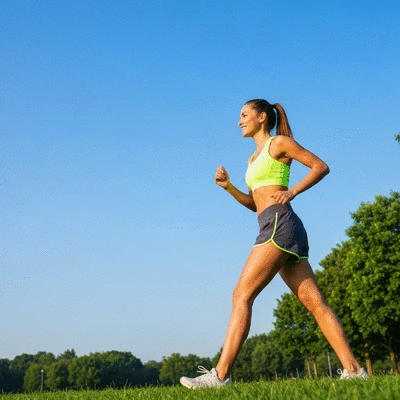
Aerobic activities are particularly effective in stimulating bowel movements. These exercises elevate your heart rate and increase blood flow, which in turn enhances the functioning of your digestive system. Think of aerobic exercise as a gentle nudge for your intestines!
- Brisk walking: An easy way to get started that can be done anywhere!
- Jogging: A more vigorous option that helps to elevate your heart rate!
- Cycling: Whether on a stationary bike or outdoors, cycling is fun and effective! The Journal of Neurogastroenterology and Motility provides further insights into how different types of physical activity impact gastrointestinal function.
By incorporating these activities into your routine, you may find yourself experiencing more regular bowel movements and improved overall digestive health.
The Impact of Hydration on Gastrointestinal Health and Exercise
Hydration is another crucial factor when it comes to exercise and digestive health. Did you know that insufficient hydration can lead to harder stools and increased constipation? Maintaining proper hydration levels is key to ensuring that your intestines have the fluid they need to function efficiently.
- Water intake: Aim for at least eight 8-ounce glasses of water daily—more if you are exercising vigorously!
- Electrolyte balance: Consider incorporating hydrating foods like cucumbers or oranges to help maintain electrolyte levels.
- Timing: Drink water before, during, and after your workouts to stay hydrated and support digestion.
Remember, staying properly hydrated not only aids in digestion but also enhances your exercise performance! It's a win-win situation for both your gut and your fitness routine.
Pro Tip
To maximize the benefits of exercise for your digestive health, consider incorporating a mix of aerobic and strength-training activities into your routine. Aim for at least 150 minutes of moderate aerobic exercise each week, complemented by muscle-strengthening activities on two or more days. This combination not only boosts gut motility but also enhances overall physical fitness, making it easier to manage constipation and improve your well-being.
Evaluating the Effectiveness of Your Exercise Plan for Constipation Relief
As we embark on the journey to better digestive health, it's crucial to monitor the effectiveness of our exercise plan. Understanding how your body responds to physical activity can provide valuable insights into what’s working and what may need adjusting. By tracking your progress, you can feel empowered to make informed changes that support your goals!
Here are some key indicators to look for as you evaluate your exercise regimen:
- Frequency of bowel movements
- Consistency in stool type and texture
- Overall feelings of bloating or discomfort
- Energy levels throughout the day
By focusing on these indicators, you can gain a clearer picture of your progress and adjust your routine as needed.
Key Indicators of Success: How to Track Your Progress
Tracking your progress doesn't have to be complicated! Keeping a simple diary or log can help you stay organized and motivated. You can jot down your daily physical activities, along with any noticeable changes in your digestive health. Here's what I recommend including:
- Date and type of exercise
- Duration and intensity of your workouts
- Stool consistency, perhaps using the Bristol Stool Scale
- Any symptoms of discomfort or bloating
Regularly reviewing this log will allow you to identify patterns and make necessary adjustments to your exercise plan.
Utilizing the Bristol Stool Scale: A Guide to Monitoring Changes
The Bristol Stool Scale is a helpful tool for evaluating your stool consistency and tracking improvements over time. It categorizes stool types from hard lumps (Type 1) to liquid (Type 7). Understanding where you fall on this scale can guide your dietary and exercise choices. Here’s a quick overview:
- Type 1: Hard lumps, difficult to pass
- Type 2: Sausage-shaped but lumpy
- Type 3: Sausage-shaped with cracks on the surface
- Type 4: Smooth and soft, like a sausage or snake
- Type 5: Soft blobs with clear edges (easy to pass)
- Type 6: Fluffy pieces with ragged edges; mushy stool
- Type 7: Watery, no solid pieces
By regularly assessing your stool type using this scale, you can better understand how exercise and dietary changes impact your digestive health.

Assessing the Impact of Physical Activity on Bowel Movements
Physical activity can significantly influence bowel movements. In my experience, I've seen that individuals who engage in regular aerobic exercises often notice improved regularity. But how can we measure this impact effectively?
- Keep track of how many times you visit the bathroom each week.
- Note if the consistency of your stool improves.
- Monitor any changes in bloating or discomfort levels after exercising.
These observations can provide essential feedback on how well your exercise plan aligns with your body’s needs. It’s all about listening to your body and making adjustments that lead to better overall digestive health!
Next Steps for Improving Digestive Health Through Exercise
Once you’ve evaluated your progress and identified what works, it’s time to think about your next steps. Improving digestive health through exercise isn’t just about being active; it's about making informed choices that align with your individual needs.
Consulting Healthcare Professionals: When to Seek Expert Guidance
Feeling unsure about your exercise plan? Don't hesitate to consult healthcare professionals! Getting expert advice can help you navigate any concerns and tailor a plan that suits your unique needs. This can be especially important if you experience significant discomfort or irregularities in bowel movements. For comprehensive guidance, consider referring to evidence-based clinical guidelines for chronic constipation, which often include recommendations on lifestyle modifications like exercise.
Final Thoughts: Encouragement to Take Action with Your Exercise Plans
Remember, every step counts! Whether it’s a gentle walk or a more intense workout, taking action is key to improving your digestive health. Celebrate your progress, no matter how small, and keep pushing toward your wellness goals!
Community Support and Resources for Ongoing Motivation
Finally, don’t underestimate the power of community support. Joining exercise groups, online forums, or local classes can provide motivation and encouragement. Sharing experiences with others who understand your journey can be incredibly uplifting. At Constipation Prevention, we are committed to offering resources and guidance to empower you on your path to better health!
Frequently Asked Questions (FAQs)
Q: How does exercise help with constipation?
A: Exercise stimulates the muscles of the gastrointestinal (GI) tract, increasing gut motility and helping food move more efficiently through your system. It also improves blood flow to digestive organs and reduces stress, all of which can alleviate constipation.
Q: What types of exercise are best for stimulating bowel movements?
A: Aerobic activities are particularly effective. These include brisk walking, jogging, and cycling, as they elevate your heart rate and increase blood flow, enhancing digestive function.
Q: Why is hydration important when exercising for digestive health?
A: Proper hydration is crucial because insufficient fluid intake can lead to harder stools and worsen constipation. Staying hydrated ensures your intestines have the necessary fluid to function efficiently, making stools softer and easier to pass.
Q: How can I track the effectiveness of my exercise plan for constipation relief?
A: You can track your progress by monitoring the frequency of your bowel movements, the consistency of your stool using the Bristol Stool Scale, and any changes in bloating or discomfort. Keeping a simple log of your daily physical activities and digestive symptoms can be very helpful.
Q: When should I consult a healthcare professional about my constipation and exercise routine?
A: It's advisable to consult a healthcare professional if you experience significant discomfort, persistent irregularities in bowel movements, or if you're unsure about tailoring an exercise plan to your specific needs. They can provide personalized advice and rule out underlying conditions.
Recap of Key Points
Here is a quick recap of the important points discussed in the article:
- Regular exercise enhances gut motility, helping to alleviate constipation.
- Aerobic activities like brisk walking, jogging, and cycling are particularly effective in stimulating bowel movements.
- Staying hydrated is crucial for preventing hard stools and supporting digestive health.
- Tracking your exercise and bowel movements can help you evaluate the effectiveness of your routine.
- Consulting healthcare professionals can provide tailored advice for your exercise plan and digestive health.