Are you aware that your food choices can significantly affect your digestive health? Many people overlook the crucial link between diet and constipation, but understanding it can lead to a healthier, more comfortable life. Let's explore the essential insights that can empower you to make better dietary decisions!
What You Will Learn
- Constipation is defined by infrequent bowel movements and can be influenced by dietary habits.
- High-fiber foods are crucial for adding bulk to stool and promoting regular bowel movements.
- Proper hydration is essential to keep stools soft and manageable.
- Establishing a regular eating schedule can enhance digestive rhythms and prevent constipation.
- Limiting processed, low-fiber foods and incorporating whole grains, fruits, and vegetables is key to digestive wellness.
- Making gradual dietary changes is more effective and sustainable for long-term digestive health.
- Engaging with community resources can provide additional support and insights into maintaining digestive health.
Dietary Strategies for Constipation: Foods to Embrace vs. Foods to Limit
Understanding which foods support digestive health and which can hinder it is crucial for preventing constipation. Below is a clear comparison of foods to include and those to moderate or avoid.
Foods to Embrace for Digestive Wellness
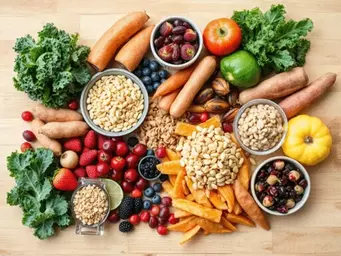
- ✓ Fiber-Rich Fruits & Vegetables (e.g., berries, leafy greens, broccoli)
- ✓ Whole Grains (e.g., quinoa, brown rice, oats)
- ✓ Legumes (e.g., lentils, beans, chickpeas)
- ✓ Healthy Fats (e.g., avocados, nuts, seeds)
- ✓ Plenty of Water & Hydrating Foods
Foods to Limit or Avoid for Constipation
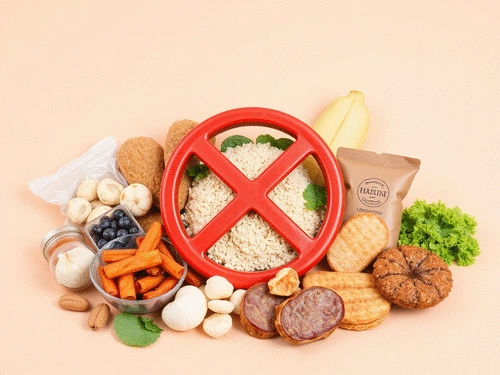
- ✘ Low-Fiber & Processed Foods (e.g., white bread, sugary snacks)
- ✘ High-Fat & Fried Foods (e.g., fast food, excessive red meat)
- ✘ Dairy Products (if sensitive, e.g., cheese, milk)
- ✘ Refined Grains (e.g., white pasta, pastries)
- ✘ Caffeine & Alcohol (can be dehydrating)
Understanding Constipation and Its Dietary Implications
Constipation is more than just an occasional discomfort; it's a common digestive issue that affects many people. It can be characterized by infrequent bowel movements, difficulty passing stools, or the sensation of incomplete evacuation. Understanding constipation and how dietary choices play a critical role in its development is essential in promoting digestive health. By making informed choices about what we eat, we can actively contribute to better bowel function!
Did you know that diet is one of the most significant factors influencing constipation? Foods rich in fiber, hydration levels, and even the timing of meals can impact how our digestive system operates. My mission at Constipation Prevention is to help you navigate these dietary challenges so you can achieve regularity and feel your best!
What Is Constipation and How Does Diet Influence It?
So, what exactly is constipation? It's a condition where you may have fewer than three bowel movements a week, often accompanied by hard, dry stools. Dietary habits can greatly influence the frequency and ease of bowel movements. Foods low in fiber can lead to sluggish digestion, while a well-balanced diet rich in fruits, vegetables, and whole grains can promote regularity. According to the Mayo Clinic, chronic constipation symptoms and causes are often linked to dietary and lifestyle factors.
- High-fiber foods help add bulk to the stool, making it easier to pass.
- Staying properly hydrated ensures that your stool retains enough moisture, preventing it from becoming too hard.
- Regular meal timings can help synchronize your body's natural digestive rhythms.
As you can see, by understanding the connection between diet and constipation, you can make positive changes to your eating habits that will support your digestive health. Remember, it’s never too late to take control of your gut health!
The Importance of Dietary Habits for Digestive Health
Shifting our focus to dietary habits, it's clear that our relationship with food goes beyond just nutrition—it's about how our bodies process what we consume. A diet that emphasizes fiber-rich foods can significantly enhance digestive health and reduce the risk of constipation. Incorporating a variety of fruits, vegetables, legumes, and whole grains can work wonders! For instance, research published in PMC NCBI highlights the crucial role of nutrition in managing chronic constipation.
- Adopting a balanced diet is crucial for maintaining gut health.
- Regular consumption of hydrating foods, like cucumbers and oranges, further aids digestion.
- Creating a consistent eating schedule can help your body adjust and respond better to food intake.
By focusing on these dietary habits, you can create a supportive environment for your digestive system. Here at Constipation Prevention, we aim to provide you with the knowledge and tools to make informed dietary choices that positively affect your health!
Pro Tip
To further support your digestive health, consider adding a variety of high-fiber snacks to your daily routine. For instance, snacking on raw vegetables like carrots or bell peppers, or a handful of nuts can provide both fiber and essential nutrients. Not only will these snacks keep you full, but they will also help maintain regular bowel movements!
Summarizing Dietary Strategies for Alleviating Constipation
As we explore the journey towards better digestive health, it’s essential to recap the foods to avoid and the nutrient-rich options we can include in our diets for optimal bowel health. By steering clear of certain foods and incorporating healthy choices, we can significantly improve our digestive function.
- Avoid low-fiber and processed foods such as white bread and sugary snacks.
- Limit high-fat and high-protein options like fried foods and excessive meat consumption.
- Be mindful of gluten and dairy, especially if you notice sensitivities.
On the other hand, embracing fiber-rich fruits, vegetables, and whole grains will enhance your digestion and foster regularity. Remember, small changes can lead to significant results!
Frequently Asked Questions About Dietary Strategies for Constipation
- Q: How does diet influence constipation?
- A: Diet significantly impacts constipation. Foods low in fiber can slow digestion, while a balanced diet rich in fiber, adequate hydration, and regular meal times can promote regular bowel movements.
- Q: What foods should I embrace to prevent constipation?
- A: Embrace fiber-rich fruits and vegetables (berries, leafy greens, broccoli), whole grains (quinoa, brown rice, oats), legumes (lentils, beans), healthy fats (avocados, nuts, seeds), and plenty of water.
- Q: What foods should I limit or avoid if I experience constipation?
- A: Limit or avoid low-fiber and processed foods (white bread, sugary snacks), high-fat and fried foods, dairy products (if sensitive), refined grains (white pasta, pastries), and dehydrating beverages like caffeine and alcohol.
- Q: Why is hydration important for digestive health?
- A: Proper hydration is crucial because it helps keep stools soft and manageable, making them easier to pass and preventing them from becoming too hard.
- Q: How quickly should I make dietary changes for constipation?
- A: It's recommended to implement dietary changes gradually. Start by adding one fiber-rich food weekly and slowly increase water intake to allow your body to adjust comfortably. This approach is more sustainable and effective for long-term digestive health.
Creating Balanced Meals and Substitutions for Digestive Wellness
When it comes to crafting meals, balance is key! Incorporating a variety of food groups ensures that you’re providing your body with the nutrients it needs to function optimally. Focus on creating meals that combine fiber-rich foods with hydration and healthy fats. The NCBI Bookshelf provides further insights into the benefits of such a diet for gastrointestinal health.
- Swap refined grains for whole grains like quinoa or brown rice.
- Include a colorful array of fruits and vegetables in each meal.
- Experiment with healthy fat sources, such as avocados and nuts, for added nutrition.
By making these simple substitutions, you’ll find it easier to maintain digestive health while enjoying delicious meals!
Encouragement to Implement Dietary Changes Gradually
Remember, transitioning to a constipation-preventive diet doesn’t have to happen overnight. I always recommend making gradual changes to allow your body to adjust comfortably.
- Start by adding one fiber-rich food to your meals each week.
- Increase your water intake slowly to help your digestive system adapt.
- Track your progress and notice how your body responds to each change.
Taking it step by step will make the process feel manageable and less overwhelming. Celebrate each small victory along the way!
The Importance of Regular Meals and Their Impact on Digestion
Establishing a routine with your meals is crucial for promoting healthy digestion. Regular meal times can help your gut develop a rhythm, which ultimately supports consistent bowel movements.
- Try to eat at the same times each day.
- Don’t skip meals, as this can disrupt your digestive cycle.
- Incorporate snacks that are high in fiber to maintain energy and support digestion.
Consistency can make a world of difference! Your digestive system thrives on routine, so prioritize regularity in your eating habits.
Engaging with Our Community for Ongoing Support
Inviting Readers to Share Their Experiences and Questions
I genuinely believe that sharing experiences can enhance our understanding of digestive health. I invite you to join the conversation—feel free to share your own tips or questions regarding constipation and dietary strategies!
Let’s support each other in achieving our health goals because at Constipation Prevention, we’re in this together. Your insights might be the key to helping someone else!
Resources for Further Reading and Support on Digestive Health
For those looking to dive deeper into digestive wellness, our website offers a wealth of resources tailored just for you. From doctor-reviewed articles to actionable tips, you’ll find everything you need to empower your journey toward better digestive health.
- Check out our comprehensive guides on fiber-rich foods.
- Explore hydration strategies that can transform your digestion.
- Find practical meal plans that make healthy eating easy!
With the right knowledge and support, you can take control of your digestive health. I’m excited for you to discover all that Constipation Prevention has to offer!
Recap of Key Points
Here is a quick recap of the important points discussed in the article:
- High-fiber foods are essential for adding bulk to stools, aiding in easier passage.
- Staying properly hydrated helps maintain stool moisture and prevents hardness.
- Regular meal timings can synchronize your body's digestive rhythms, promoting regularity.
- Adopting a balanced diet with fruits, vegetables, and whole grains supports digestive health.
- Avoid low-fiber and processed foods, as well as high-fat options, to improve digestion.
- Make gradual dietary changes to allow your body to adjust comfortably over time.
- Establishing a routine with your meals can promote consistent bowel movements.