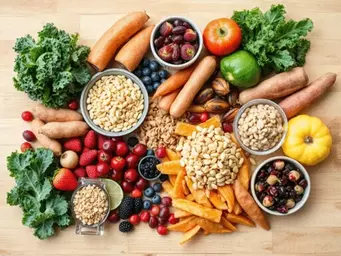

What if the key to feeling your best lies within your gut? As research continues to unveil the intricate relationship between gut health and overall wellness, understanding gut health supplements becomes increasingly essential. Here’s what you need to know!
What You Will Learn
- Gut health supplements, including probiotics and prebiotics, support a balanced microbiome and overall digestive wellness.
- Probiotics come in various strains; knowing which strains, like Lactobacillus and Bifidobacterium, can aid specific digestive issues is crucial.
- Debunking myths about probiotics is vital; they can alleviate symptoms but are not a cure-all for conditions like IBS.
- Creating a personalized decision tree can simplify choosing the right gut health supplements tailored to your individual needs.
Gut Health Supplements: Probiotics, Prebiotics, & Synbiotics
This visual outlines the distinct roles and benefits of various gut health supplements.
Understanding Gut Health Supplements: The Evidence Behind Their Efficacy
Gut health supplements have gained significant attention in recent years, and for good reason! They can play a vital role in maintaining and enhancing our digestive wellness. But what exactly are gut health supplements? Let’s dive into the details that can help us make informed decisions about incorporating them into our routines.
What Are Gut Health Supplements?
Gut health supplements are products designed to support the health of our digestive system. They often contain ingredients like probiotics, prebiotics, and synbiotics that aim to improve gut function and promote a balanced microbiome. Understanding what these terms mean is crucial for making the right choices for our health.
Defining the Role of Probiotics in Gut Health
Probiotics are live bacteria that can provide health benefits when consumed in adequate amounts. They help maintain a healthy balance of gut flora, which is essential for efficient digestion and overall health. Think of them as the friendly soldiers in your gut army, fighting off harmful bacteria and supporting your immune system!
Types of Gut Health Supplements: Probiotics vs. Prebiotics vs. Synbiotics
- Probiotics: Live microorganisms that provide health benefits.
- Prebiotics: Non-digestible fibers that feed the beneficial bacteria in our gut.
- Synbiotics: A combination of probiotics and prebiotics for enhanced effectiveness.
By incorporating these different types of supplements, we can create a comprehensive approach to gut health. Remember, it’s all about balancing the beneficial bacteria in our digestive system!
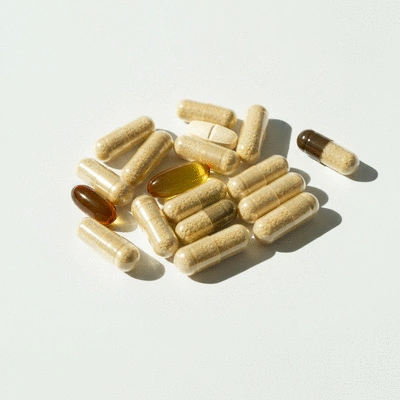
The Science of Probiotics: What Works and What Doesn’t
When it comes to probiotics, not all strains are created equal. Some are more effective than others at targeting specific gut health issues. This is where understanding the science behind probiotics becomes essential!
Evaluating Strain-Specific Efficacy: Key Players in Gut Health
Research has shown that certain strains of probiotics offer distinct benefits. For instance, strains like Lactobacillus and Bifidobacterium have proven particularly effective for various digestive concerns. Knowledge of specific strains is crucial, as highlighted in extensive research on their mechanisms and effects, such as the comprehensive review published in Frontiers in Microbiology. Knowing which strains to look for can empower us to select the right products that align with our health goals.
Exploring the Role of Lactobacillus and Bifidobacterium in Digestive Health
- Lactobacillus: Helps in the digestion of lactose and may reduce symptoms of lactose intolerance.
- Bifidobacterium: Supports the colon and aids in the prevention of constipation.
These strains can be game-changers when it comes to optimizing our digestive health, helping us feel more comfortable and balanced!
Clinical Evidence: Probiotics for Acute Infectious Diarrhea and Antibiotic-Associated Diarrhea
Clinical studies have shown that probiotics can be effective in reducing the duration and severity of acute infectious diarrhea and symptoms related to antibiotic-associated diarrhea. For example, a study in PMC NCBI discusses the use of specific probiotic strains in managing acute infectious diarrhea, further validating their role. This makes them a valuable addition to our health toolkit, especially during times of illness.
Exploring the Role of Probiotics in IBS and Other Gut Conditions
For those suffering from irritable bowel syndrome (IBS) or other gut conditions, probiotics may provide relief. They can help regulate bowel movements and alleviate discomfort, offering a natural solution for many individuals seeking balance in their digestive health. The potential of probiotics to alleviate symptoms of IBS is also a key area of study, as detailed in research available on PMC NCBI. This highlights their importance in managing such conditions.
The Impact of Gut Health on the Gut-Brain Axis
Did you know that our gut health can even influence our mental well-being? The gut-brain axis is a fascinating connection where the health of our gut can affect our mood and mental state. This highlights the importance of maintaining a healthy gut through diet, lifestyle, and the use of gut health supplements.
As a passionate advocate for digestive health at Constipation Prevention, I believe that understanding these concepts is vital for making informed choices about our health journey. With the right knowledge, we can harness the power of gut health supplements to improve our overall well-being!
Interactive Poll: Your Gut Health Journey
We want to hear from you! Have you ever tried gut health supplements? Share your experience with us:
Making Informed Choices: Your Go-To Guide for Gut Health Supplements
As we navigate the world of gut health supplements, it’s essential to dispel some of the myths that can lead to confusion. Understanding what’s fact and what’s fiction can help you make informed choices for your digestive wellness. Let’s dive into some common misconceptions about probiotics that often arise!
Myth-Busting Common Misconceptions About Probiotics
Debunking Claims: "Probiotics Cure IBS" vs. Evidence-Based Reality
One of the most prevalent myths is the notion that probiotics can cure Irritable Bowel Syndrome (IBS). While certain strains may help manage symptoms, they are not a cure-all solution. It's vital to remember that every individual’s gut is unique, and what works for one person may not work for another. Hence, evidence-based approaches should guide your choices.
- Probiotics may help alleviate symptoms, but they cannot replace a complete treatment plan.
- Always consult a healthcare professional before starting any supplement, especially for managing conditions like IBS.
- Consider probiotics as part of a broader approach that includes dietary modifications and lifestyle changes.
By debunking these misconceptions, we can set realistic expectations and focus on a comprehensive approach to gut health that aligns with our individual needs.
Understanding the Differences Between Probiotics and Digestive Enzymes
Another common point of confusion is the difference between probiotics and digestive enzymes. Both play significant roles in digestive health, but they serve different functions. Probiotics are beneficial bacteria that enhance gut flora, while digestive enzymes facilitate the breakdown of food. Knowing this distinction can help you choose the right supplement for your needs.
- Probiotics: Live microorganisms that support gut health.
- Digestive Enzymes: Proteins that help digest food into nutrients.
When you understand these differences, it’s easier to determine which supplement aligns with your specific digestive goals.
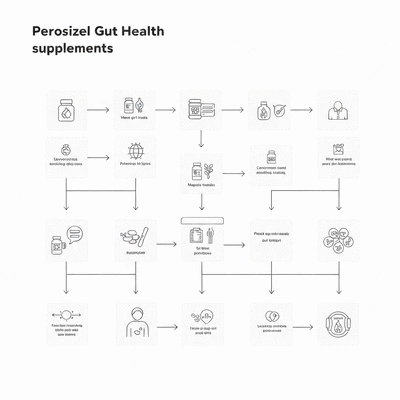
Practical Steps to Implementing Gut Health Supplements in Your Routine
Creating a Personalized Decision Tree for Supplement Use
Making decisions about gut health supplements can feel overwhelming, but I’ve found that creating a personalized decision tree is a great way to simplify the process! Start by identifying your specific gut health goals, whether it’s managing IBS, improving digestion, or enhancing overall gut flora.
- Identify your primary digestive concern.
- Research which supplements align with your goals.
- Consult a healthcare provider to discuss your findings.
- Start with one supplement at a time to monitor its effects.
This approach empowers you to make choices that are tailored to your unique digestive needs. Remember, my mission at Constipation Prevention is to help you achieve optimal digestive wellness!
Integrating Probiotics into Your Diet: Tips and Best Practices
Now that you’re ready to incorporate probiotics into your routine, here are some practical tips to ensure you’re doing it effectively! Regularly consuming these supplements can enhance your digestive health when done right.
- Take probiotics consistently, ideally at the same time each day.
- Consider pairing them with a meal to enhance absorption.
- Stay hydrated to support the activity of beneficial bacteria.
Integrating these practices can help you maximize the benefits of probiotics while maintaining a healthy digestive system.
Incorporating Prebiotic Fiber: Foods That Support Probiotic Function
Don’t forget about prebiotic fiber! This plays a crucial role in supporting the function of probiotics. Incorporating fiber-rich foods into your diet can nourish the beneficial bacteria in your gut, promoting a balanced microbiome.
- Bananas
- Onions
- Garlic
- Asparagus
- Oats
These foods not only taste great but also provide the nutrients necessary for probiotics to thrive. Combining probiotics with a fiber-rich diet can enhance your digestive health journey! Remember, small changes can lead to big improvements in your gut wellness.
Frequently Asked Questions About Gut Health Supplements
What are gut health supplements?
Gut health supplements are products designed to support the digestive system, often containing probiotics, prebiotics, and synbiotics to improve gut function and balance the microbiome.
What is the difference between probiotics, prebiotics, and synbiotics?
Probiotics are live microorganisms that offer health benefits. Prebiotics are non-digestible fibers that feed beneficial gut bacteria. Synbiotics are a combination of both probiotics and prebiotics for enhanced effectiveness.
Which probiotic strains are most effective for digestive issues?
Strains like Lactobacillus are effective for lactose digestion, while Bifidobacterium supports colon health and helps prevent constipation.
Can probiotics cure Irritable Bowel Syndrome (IBS)?
While certain probiotic strains may help manage IBS symptoms and alleviate discomfort, they are not a cure-all solution. It's important to consult a healthcare professional and consider a broader approach including diet and lifestyle changes.
How do gut health supplements impact the gut-brain axis?
The gut-brain axis is a connection where gut health can influence mood and mental well-being. Maintaining a healthy gut through diet, lifestyle, and supplements can positively impact this connection.
What are some practical tips for incorporating probiotics into my routine?
Take probiotics consistently, ideally at the same time each day, consider pairing them with a meal for better absorption, and stay hydrated to support beneficial bacteria activity.
Which foods are good sources of prebiotic fiber?
Bananas, onions, garlic, asparagus, and oats are excellent sources of prebiotic fiber that help nourish beneficial gut bacteria.
Recap of Key Points
- Gut health supplements, including probiotics, prebiotics, and synbiotics, support digestive wellness and balance gut microbiota.
- Probiotics such as Lactobacillus and Bifidobacterium are effective for specific digestive concerns, including lactose intolerance and constipation.
- Clinical evidence supports probiotics for managing acute infectious diarrhea and symptoms of antibiotic-associated diarrhea.
- Understanding the differences between probiotics and digestive enzymes can help tailor your supplement choices.
- Implementing a personalized decision tree can simplify the process of choosing gut health supplements based on individual needs.
- Incorporating prebiotic fiber-rich foods enhances the effectiveness of probiotics and supports a balanced microbiome.