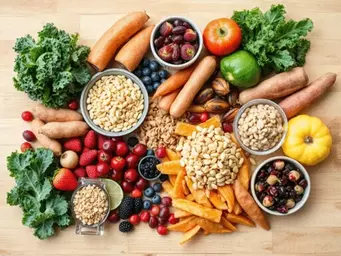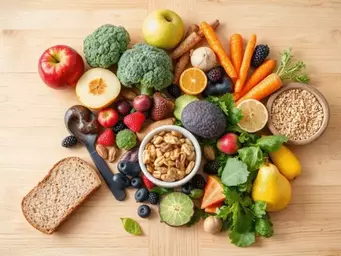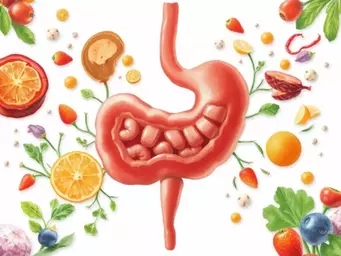

Your gut health is more than just a digestive concern; it’s a cornerstone of your overall well-being. Did you know that maintaining a balanced gut can enhance not only digestion but also your immune system and mental health? Let’s explore how probiotics can be the key to achieving this balance.
What You Will Learn
- Probiotics are essential for maintaining a healthy gut microbiome, which aids in digestion and nutrient absorption.
- Incorporating probiotics can enhance bowel movement frequency and prevent constipation.
- A balanced gut flora supports immune function and reduces inflammation, impacting your overall health positively.
- Consulting healthcare professionals can help tailor probiotic use to your specific digestive needs.
The Probiotic Pathway: Benefits & Recommendations
Probiotics play a crucial role in maintaining gut health, influencing everything from digestion to immunity. Below is a visual representation of their key benefits and recommendations for their effective use.
Key Benefits of Probiotics
- ✓ Enhanced bowel movement frequency
- ✓ Improved nutrient absorption
- ✓ Balance of gut microbiota
- ✓ Support for a healthy immune system
Recommendations for Ongoing Use
- ● Incorporate variety (supplements/fermented foods)
- ● Monitor body's response, adjust intake
- ● Consult professionals for specific strains
- ● Stay consistent for best results (daily intake)
Evaluating Probiotic Quality
- ★ Check for specific, research-backed strains
- ★ Review manufacturing process (quality control)
- ★ Look for expiration dates to ensure viability
Addressing Gut Dysbiosis
- ⚠ Incorporate more fiber-rich foods
- ⚠ Reduce processed foods and sugars
- ⚠ Use probiotics strategically to restore balance
Understanding the Role of Probiotics in Gut Health
Are you aware of just how vital probiotics are for maintaining a healthy gut? These tiny organisms play a big part in our digestive wellness, helping to keep everything in balance. Probiotics are live bacteria and yeasts that are good for your health, especially your digestive system. They can be found in various foods, supplements, and even beverages! Let’s dive into the specifics of what probiotics are and how they work.
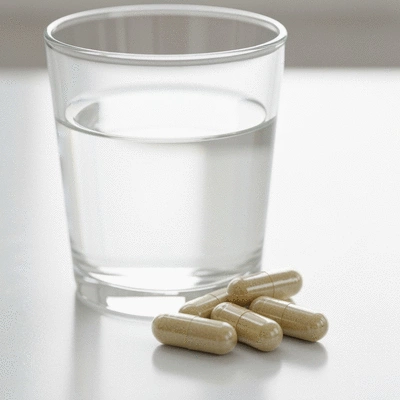
What Are Probiotics and How Do They Work?
Probiotics are often referred to as “good” or “beneficial” bacteria. They help maintain the natural balance of organisms (microflora) in the intestines. When we take antibiotics or consume processed foods, our gut flora can become disrupted, leading to digestive issues. Probiotics can help restore this balance by:
- Replenishing beneficial bacteria in the gut
- Inhibiting the growth of harmful bacteria
- Enhancing the gut barrier function
As a health and wellness educator focused on digestive health, I’ve seen firsthand how incorporating probiotics into one’s diet can lead to significant improvements in overall gut function. By making small, informed choices, you can support your digestive health naturally! For more detailed information on probiotics and their health benefits, you can refer to resources from the National Institutes of Health Office of Dietary Supplements.
Importance of Gut Health for Overall Well-being
Did you know that your gut health can influence your entire body? A healthy gut is crucial not just for digestion but also for your overall well-being. Here are some key reasons why maintaining gut health is essential:
- Supports nutrient absorption from food
- Regulates immune system function
- Affects mood and mental health through the gut-brain axis
At Constipation Prevention, we emphasize the importance of a balanced gut to empower individuals to take charge of their digestive health. Remember, a happy gut contributes to a happy life! The National Center for Complementary and Integrative Health provides further insights into the usefulness and safety of probiotics.
The Connection Between Gut Health and the Immune System
Your gut is home to trillions of microorganisms, which play a significant role in the immune system. Roughly 70% of your immune cells reside in the gut, which means gut health directly impacts your ability to fend off illness. By including probiotics in your diet, you're not only promoting better digestion but also reinforcing your immune defenses. Here’s how:
- Probiotics can enhance the production of antibodies.
- They help regulate immune responses and reduce inflammation.
- They may protect against gastrointestinal infections.
As you can see, nourishing your gut with probiotics supports not only digestive health but also immune function. That’s the kind of dual benefit I'm all about at Constipation Prevention!
We Want to Hear From You!
What has been your experience with probiotics? Have they made a difference in your digestive health? Share your thoughts below:
Frequently Asked Questions About Probiotics and Gut Health
What are probiotics, and why are they important for gut health?
Probiotics are live bacteria and yeasts that are beneficial for your digestive system. They help maintain a healthy balance of microorganisms in your gut, which is crucial for digestion, nutrient absorption, and overall well-being. They can prevent issues like constipation and support immune function.
How do probiotics help with constipation?
Probiotics can enhance bowel movement frequency and improve overall gut motility. By balancing the gut microbiota and promoting a healthier digestive environment, they can effectively reduce discomfort associated with constipation.
Can probiotics boost my immune system?
Yes, approximately 70% of your immune cells reside in the gut. Probiotics support immune function by enhancing antibody production, regulating immune responses, and protecting against gastrointestinal infections, thus reinforcing your body's defenses.
What should I look for when choosing a probiotic supplement?
Beyond CFU counts, look for supplements with specific, research-backed strains. Ensure the product is manufactured under strict quality control standards and check the expiration date to confirm the viability of the live cultures. Consulting a healthcare professional can also help determine the best strains for your needs.
What is gut dysbiosis, and how can probiotics help?
Gut dysbiosis is an imbalance in the gut microbiome where harmful bacteria outnumber beneficial ones, leading to digestive issues. Probiotics can help restore this balance by replenishing beneficial bacteria, inhibiting harmful ones, and enhancing gut barrier function. Incorporating fiber-rich foods and reducing processed sugars also helps address dysbiosis.
Key Takeaways on Using Probiotics for Constipation Prevention
As we navigate the world of gut health, it becomes clear that incorporating probiotics can be a game-changer for those looking to prevent constipation. These beneficial microorganisms work not only to enhance our digestive function but also to promote overall wellness. Understanding the benefits of probiotics can empower you to make informed decisions about your digestive health!
Here are some of the key benefits of incorporating probiotics into your routine:
- Enhanced bowel movement frequency
- Improved nutrient absorption
- Balance of gut microbiota
- Support for a healthy immune system
By focusing on these aspects, you can take significant steps towards achieving optimal digestive health and preventing constipation in a natural way. Remember, it’s all about creating a balanced environment in your gut! Research continues to explore how probiotic bacteria evolve within the digestive tract, as highlighted by studies from Washington University School of Medicine.

Long-term Effects and Recommendations for Ongoing Use
The journey towards better digestive health is not just a short-term fix; it’s about cultivating sustainable habits. Regularly including probiotics in your diet can lead to lasting effects on your gut health. Over time, you may notice improved regularity and a decrease in discomfort associated with constipation.
To make the most of your probiotic journey, consider the following recommendations:
- Incorporate a variety of probiotic sources, such as supplements and fermented foods.
- Monitor your body’s response and adjust your intake accordingly.
- Consult with a healthcare professional to ensure you’re using the right strains for your specific needs.
- Stay consistent for the best results—aim for daily intake!
By committing to these practices, you’ll be well on your way to maintaining a healthy gut and preventing constipation for the long haul. Embrace this proactive approach to your digestive health!
Empowering Your Gut Health Journey: Next Steps
How to Evaluate Probiotic Quality Beyond CFU Counts
When it comes to selecting a high-quality probiotic, it’s important to look beyond just the colony-forming units (CFU) counts. While CFU is a key factor, other elements can also significantly impact the effectiveness of the probiotics you choose.
- Check for specific strains: Not all probiotics are created equal. Look for strains backed by scientific research.
- Review the manufacturing process: Ensure that the product is made under strict quality control standards.
- Look for expiration dates: Freshness matters! Make sure your probiotics are still viable.
By focusing on these qualities, you can feel confident in your choice and empower yourself on your journey to better gut health.
Engaging with Healthcare Professionals for Personalized Guidance
Consulting with healthcare professionals can be a crucial step in your gut health journey. They can provide personalized advice based on your unique health profile, helping you choose the right probiotics and dietary strategies.
Here are some key benefits of seeking professional guidance:
- Access to tailored recommendations based on your personal health history.
- Support in monitoring your progress and making necessary adjustments.
- Insight into how probiotics can complement your overall wellness plan.
Don’t hesitate to reach out to a healthcare provider or a nutritionist who specializes in digestive health. Their expertise can be invaluable in navigating your probiotic options and achieving your wellness goals!
Understanding Gut Dysbiosis and Its Impact on Health
Gut dysbiosis—a term that refers to an imbalance in the gut microbiome—can have significant implications for health, including constipation. When the beneficial bacteria are outnumbered by harmful ones, it can lead to digestive distress and other health issues.
To address gut dysbiosis, consider the following steps:
- Incorporate more fiber-rich foods to nourish beneficial bacteria.
- Reduce processed foods and sugars, which can contribute to dysbiosis.
- Use probiotics strategically to restore balance in your gut.
Understanding the connection between gut health and overall wellness can empower you to make informed choices that benefit your digestive system. Let’s take control of our gut health together!
Recap of Key Points
Here is a quick recap of the important points discussed in the article:
- Probiotics help maintain the balance of gut microbiota, which is essential for digestive health.
- A healthy gut supports nutrient absorption, immune function, and even mood regulation through the gut-brain axis.
- Incorporating probiotics can lead to enhanced bowel movement frequency and improved overall wellness.
- Regular intake of diverse probiotic sources, tailored to individual health needs, promotes lasting gut health benefits.
- Consulting healthcare professionals can provide personalized guidance in choosing effective probiotics.