Are you aware that incorporating the right amount of fiber into your diet can significantly improve your digestive health? Dive into the essential role of fiber and learn how it can alleviate constipation and support your overall gut wellness.
What You Will Learn
- Fiber is essential for promoting regular bowel movements by softening and bulking up stool.
- There are two types of fiber: soluble and insoluble, each offering unique benefits for digestive health.
- Fermentable fiber nourishes beneficial gut bacteria, supporting a healthy microbiome.
- Choosing between fiber supplements and whole foods depends on convenience, nutrient density, and your personal health goals.
- The general recommendation for daily fiber intake is between 25-30 grams, varying by age and gender.
- Consulting a healthcare professional can provide personalized advice tailored to your digestive health needs.
Daily Fiber Recommendations for Optimal Health
Fiber intake recommendations vary by age and gender to support optimal digestive health. The visual below outlines the daily fiber needs across different age groups, highlighting the importance of tailored dietary choices.
Children (1-3 years)
19g
Recommended daily fiber intake.
Children (4-8 years)
25g
Recommended daily fiber intake.
Girls (9-18 years)
26g
Recommended daily fiber intake.
Boys (9-18 years)
31g
Recommended daily fiber intake.
Women (19-50 years)
25g
Recommended daily fiber intake.
Men (19-50 years)
38g
Recommended daily fiber intake.
Seniors (51+ years)
21-30g
Recommended daily fiber intake.
Understanding the Role of Fiber in Digestive Health
When it comes to digestive health, fiber is a superstar that shouldn’t be overlooked! It plays a vital role in promoting bowel regularity and overall gut health. By incorporating adequate amounts of fiber into your diet, you can support your digestive system and help prevent constipation.
Research shows that a diet rich in fiber not only keeps things moving in your intestines but also contributes to a healthy gut microbiome. Let’s dive into why fiber is essential for constipation relief!
Why Fiber is Essential for Constipation Relief
Fiber works by adding bulk to your stool, making it easier to pass. This natural bulking agent is crucial for those who struggle with constipation. Here are some key benefits of fiber for constipation relief:
- Promotes regular bowel movements: By softening and bulking up stool, fiber helps maintain regularity.
- Prevents hard stools: Sufficient fiber intake can help stop discomfort associated with hard, dry stools.
- Supports gut health: A high-fiber diet fosters a healthy digestive tract, which is essential for overall wellness.
Incorporating fiber into your meals doesn’t have to be difficult or boring! Adding a few fruits or vegetables to your plate can make a significant difference in your digestive health.
Types of Fiber: Soluble vs. Insoluble
There are two main types of fiber: soluble and insoluble, each with unique benefits for digestive health. Understanding the difference can help you make informed choices about your diet:
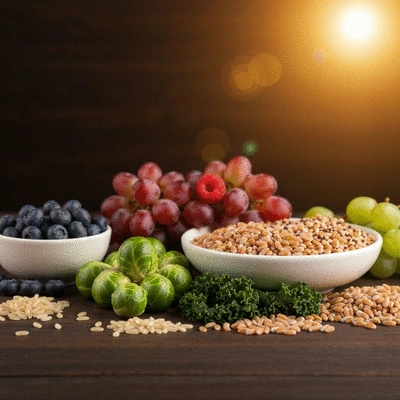
- Soluble fiber: This type dissolves in water and forms a gel-like substance. It can help lower cholesterol levels and stabilize blood sugar. Foods high in soluble fiber include oats, beans, and apples.
- Insoluble fiber: This type adds bulk to stool and helps food move through the digestive tract. It’s essential for preventing constipation. You can find insoluble fiber in whole grains, nuts, and vegetables like carrots and broccoli.
By including both types of fiber in your diet, you can take full advantage of their health benefits and support your digestive system effectively.
The Importance of Fermentable Fiber in Gut Health
Fermentable fiber, a type of soluble fiber, is particularly important for maintaining a healthy gut microbiome. It acts as food for beneficial bacteria in our intestines, promoting their growth and activity. This is crucial because a well-balanced microbiome supports not only digestion but also overall health.
Here are a few reasons why fermentable fiber is key to gut health:
- Enhances gut flora: Fermentable fiber nourishes probiotics, helping them thrive and outcompete harmful bacteria.
- Boosts short-chain fatty acid production: These fatty acids play a role in reducing inflammation and supporting gut health.
- Improves nutrient absorption: A healthy microbiome can enhance the absorption of essential vitamins and minerals.
Incorporating foods rich in fermentable fiber, such as chicory root, garlic, and onions, can significantly benefit your gut health and aid in constipation prevention. So, let's embrace fiber for a happier gut!
Interactive Poll: Your Fiber Journey
We want to know how you incorporate fiber into your diet! Which of the following do you rely on most for your fiber intake?
Making an Informed Choice: Fiber Supplements vs. Whole Foods
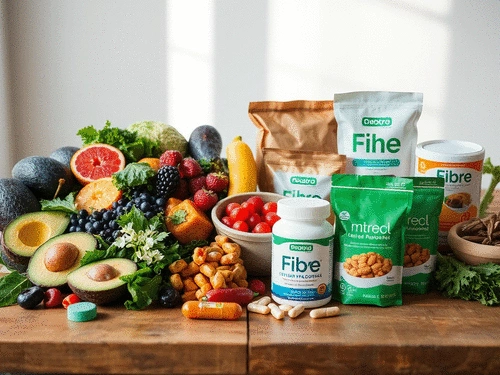
When it comes to managing constipation, making an informed choice between fiber supplements and whole foods is essential. Both options have their benefits, but understanding your unique needs can help you find the right path. Fiber supplements, like psyllium and methylcellulose, can be effective for immediate relief, while whole foods provide a variety of nutrients that support overall health.
Recent studies, including research published by the National Institutes of Health (NIH), suggest that dietary fiber from whole foods offers broader health benefits beyond just digestive regularity, including improved cardiovascular health and blood sugar control. While fiber supplements can be beneficial for those who struggle to meet their daily fiber intake, another NIH study on fiber's role in health highlights that whole foods provide a complex matrix of nutrients not found in supplements. Stanford Medicine also provides valuable insights into the efficacy of fiber supplements versus dietary fiber, emphasizing that while supplements can be useful, a diet rich in fruits, vegetables, and whole grains remains the gold standard for overall health.
Here are some key considerations to help you decide:
- Convenience: Fiber supplements can be a quick fix for busy lifestyles, ensuring you get your daily fiber without meal prep.
- Nutrient Density: Whole foods offer additional vitamins and minerals that supplements lack, contributing to your overall wellness.
- Cost: Whole foods may be more cost-effective in the long run, providing a variety of fiber sources at a lower price.
- Digestive Tolerance: Some individuals may find whole foods easier to digest, while others might prefer the simplicity of supplements.
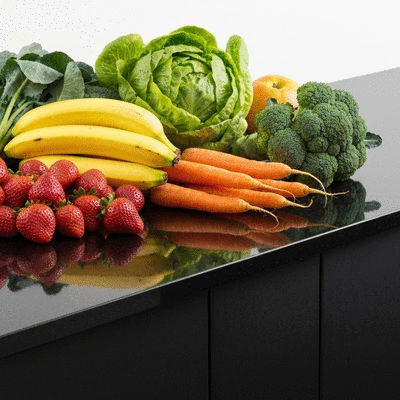
Ultimately, the choice between fiber supplements and whole foods should align with your personal health goals and lifestyle. If you’re unsure, I encourage you to explore both options to see what works best for you!
Daily Fiber Recommendations for Optimal Health
Understanding your daily fiber needs is crucial for maintaining digestive health. The general recommendation for fiber intake is between 25-30 grams per day, depending on your age and gender. Here’s a quick breakdown of fiber recommendations:
| Age Group | Recommended Daily Fiber Intake |
|---|---|
| Children (1-3 years) | 19 grams |
| Children (4-8 years) | 25 grams |
| Girls (9-18 years) | 26 grams |
| Boys (9-18 years) | 31 grams |
| Women (19-50 years) | 25 grams |
| Men (19-50 years) | 38 grams |
| Seniors (51+ years) | 21-30 grams |
Keep in mind that individual needs may vary based on health conditions and lifestyle factors. For those of us at Constipation Prevention, it’s vital to tailor your fiber intake to what feels right for your body.
Frequently Asked Questions About Fiber and Digestive Health
- Q: Why is fiber important for digestive health?
- A: Fiber is crucial for promoting regular bowel movements by adding bulk to stool, making it easier to pass. It also supports a healthy gut microbiome and helps prevent constipation.
- Q: What are the two main types of fiber?
- A: The two main types are soluble fiber, which dissolves in water and can help lower cholesterol, and insoluble fiber, which adds bulk to stool and aids in food movement through the digestive tract.
- Q: What is fermentable fiber, and why is it important?
- A: Fermentable fiber is a type of soluble fiber that acts as food for beneficial gut bacteria, promoting their growth and activity. This enhances gut flora, boosts short-chain fatty acid production, and improves nutrient absorption.
- Q: Should I choose fiber supplements or whole foods?
- A: Whole foods offer a variety of nutrients, vitamins, and minerals that supplements lack, making them the preferred source. However, fiber supplements can be a convenient option to meet daily fiber goals, especially for those with busy lifestyles or specific dietary needs. The best choice depends on individual needs and health goals.
- Q: What is the recommended daily fiber intake?
- A: The general recommendation is between 25-30 grams per day, though this can vary based on age, gender, and individual health conditions. For example, adult women typically need around 25g, while adult men may need up to 38g.
- Q: When should I consult a healthcare professional about my fiber intake?
- A: It is always wise to consult a healthcare provider or a registered dietitian for personalized advice on fiber intake, especially if you have specific health concerns, chronic constipation, or other digestive issues. They can help create a tailored plan for your needs.
Getting Professional Advice for Your Gut Health
Consulting a healthcare provider for personalized advice on fiber intake and digestive health is always a wise choice. They can provide insights tailored to your specific needs, considering factors like your dietary habits, health conditions, and lifestyle. Remember, everyone’s digestive system is unique!
Don’t hesitate to reach out to a registered dietitian or healthcare professional who can help you create a plan that promotes gut health and addresses any concerns you might have. Knowledge is power, and having a professional in your corner can be invaluable!
Join the Conversation on Fiber Solutions
We’d love to hear from you! Have you tried fiber supplements or whole foods to manage your constipation? What has worked best for you? Sharing your experiences can help others in our community find the right solutions for their digestive health.
Feel free to drop a comment or reach out through our platform at Constipation Prevention. Together, we can foster a supportive environment for everyone looking to enhance their digestive wellness!
Recap of Key Points
Here is a quick recap of the important points discussed in the article:
- Fiber promotes regular bowel movements: It adds bulk to stool, helping to maintain regularity and prevent constipation.
- Types of fiber matter: Both soluble and insoluble fibers are essential for digestive health, each contributing uniquely to gut function.
- Fermentable fiber supports gut microbiome: It nourishes beneficial bacteria, enhancing gut health and nutrient absorption.
- Whole foods vs. supplements: Whole foods provide nutrients and a variety of fiber sources, while supplements offer convenience for quick relief.
- Daily fiber recommendations: Aim for 25-30 grams of fiber per day, adjusted based on individual needs and lifestyle.
- Consult professionals: Always seek tailored advice from healthcare providers to optimize your fiber intake and digestive health.